

Sunridge Medical · Scottsdale, Arizona

Alternative Testicular Cancer Treatment

If you have testicular cancer, call us. Clear, timely decisions matter—and we can help.

We review seminoma or nonseminoma type, stage, tumor markers, treatment history, fertility and quality-of-life priorities.

New diagnoses, recurrence, advanced disease and second-opinion questions are welcome.

Talk With Our Testicular Cancer Patient Care Team

There is no charge to speak with our Patient Care Team about your testicular cancer diagnosis, ask practical questions and learn whether a physician consultation may be an appropriate next step.

Prefer to speak now?Call 1-800-923-7878This introductory call is free. It is not a medical consultation and does not establish a physician-patient relationship.
Explore this cancer section

Testicular Cancer

Integrative Oncology · Testicular Germ-Cell Cancer

Alternative Testicular Cancer Treatment: Integrative Support for a Highly Curable Cancer

Most testicular cancers can be cured—even when disease has spread. Sunridge Medical adds physician-directed integrative support around timely urologic and oncology care to help protect strength, fertility, sexual health, treatment tolerance and long-term quality of life.

We welcome newly diagnosed patients, men receiving surveillance or cisplatin-based chemotherapy, people recovering after treatment, and those seeking coordinated options for recurrent or metastatic germ-cell cancer.

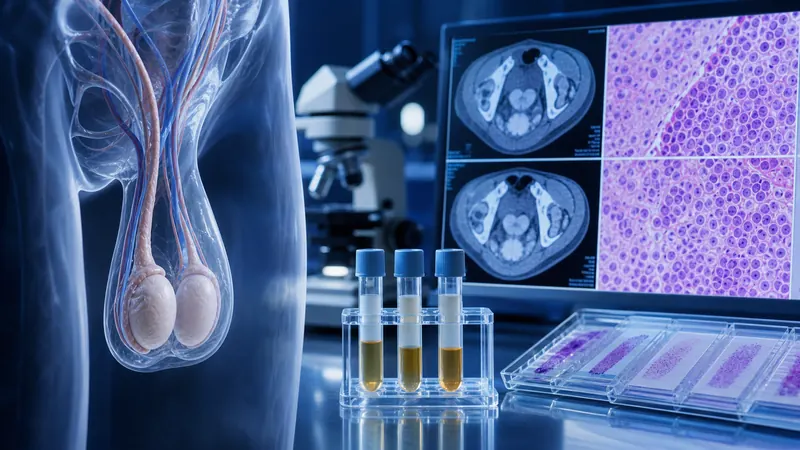
Testicular cancer evaluation with anatomy, pathology, CT imaging and tumor marker blood tests
OutlookUsually curableAdvanced disease can still respond extremely well to expert treatment.
BiologyType changes the planSeminoma and nonseminoma follow different treatment pathways.
Before treatmentDiscuss fertility earlySperm banking may be appropriate before chemotherapy, radiation or some surgery.
Whole personPlan beyond cureHeart, kidney, nerve, lung, hormone and emotional health deserve follow-up.
Understand the Diagnosis

Seminoma or Nonseminoma Is the First Major Branch Point

Almost all testicular cancers begin in germ cells. A pure seminoma is generally more sensitive to radiation and follows a different staging and treatment pathway than nonseminoma. Nonseminoma may contain embryonal carcinoma, yolk-sac tumor, choriocarcinoma, teratoma or a mixture of germ-cell types. A tumor containing both seminoma and nonseminoma is treated as nonseminoma.

Pathology

Exact Cell Type

The orchiectomy report should describe tumor type, size, lymphovascular invasion, invasion into nearby structures and whether margins are involved.

Serum markers

AFP, Beta-hCG and LDH

Markers are measured before and after orchiectomy. Their pattern and rate of decline help establish stage, risk group and whether active disease may remain.

Imaging

Where Disease Has Spread

CT imaging commonly evaluates retroperitoneal lymph nodes, lungs and other possible metastatic sites. Imaging is interpreted together with pathology and markers.

Risk classification

Good, Intermediate or Poor Risk

For metastatic germ-cell cancer, the primary site, sites of spread and tumor-marker levels guide the International Germ Cell Cancer Collaborative Group risk category.

The First Steps Matter

Do Not Delay a Proper Urologic Evaluation

A new painless lump, swelling, heaviness, change in testicular size or persistent scrotal discomfort should be evaluated promptly. Ultrasound and serum tumor markers help characterize a suspicious mass, but the usual diagnostic and initial treatment procedure is a radical inguinal orchiectomy performed through the groin.

Important: A suspicious testicular tumor is generally not biopsied through the scrotum because that can alter lymphatic drainage and complicate staging. Integrative or natural therapies should not delay expert urologic assessment or potentially curative treatment.
  • Ask for AFP, beta-hCG and LDH before orchiectomy whenever feasible.
  • Discuss sperm banking before chemotherapy, radiation or treatment that may affect ejaculation or fertility.
  • Obtain complete pathology and postoperative marker results.
  • Confirm the recommended imaging and surveillance schedule.
  • Seek a germ-cell tumor specialist for unusual pathology, poor-risk disease, persistent markers or recurrence.
Treatment Is Chosen by Type, Stage and Risk

Curative Therapy Should Remain the Center of the Plan

Radical inguinal orchiectomy is commonly the first treatment. What comes next may be surveillance, chemotherapy, radiation for selected seminomas, retroperitoneal lymph-node dissection, surgery for residual disease, high-dose chemotherapy with stem-cell support in selected relapsed cases, or a clinical trial.

Stage I

Surveillance Can Avoid Overtreatment

Many men with stage I disease can be closely monitored after orchiectomy. Others choose adjuvant chemotherapy, radiation for selected seminoma, or lymph-node surgery depending on cancer type and relapse risk.

Metastatic disease

Cisplatin-Based Chemotherapy

BEP or EP may be used for good-risk disease, while BEP or VIP may be considered in intermediate- or poor-risk settings. Regimen choice depends on lung, kidney, hearing and overall health.

Residual masses

Imaging and Surgery Still Matter

Residual masses are managed differently in seminoma and nonseminoma. Teratoma can resist chemotherapy and may require expert surgical removal.

Recurrence

Salvage Treatment Can Still Cure

Conventional-dose salvage chemotherapy, high-dose chemotherapy with stem-cell rescue, surgery and trials may provide meaningful curative opportunities after relapse.

Advanced Does Not Automatically Mean Terminal

Testicular germ-cell cancer is different from many other metastatic cancers. Even disease in lymph nodes, lungs or other organs may be cured. A patient with recurrent or Stage 4 disease should be reviewed by an experienced germ-cell cancer team before assuming that effective options are exhausted.

Integrative Care Around Treatment

Support the Patient Without Undermining a Curative Regimen

Sunridge’s role is to coordinate supportive strategies around the oncology plan—not to replace orchiectomy, surveillance, cisplatin-based chemotherapy or specialist surgery. The most useful plan starts with the treatment schedule, laboratory values, kidney and lung function, medications, supplements, symptoms and personal priorities.

Nutrition

Maintain Weight and Protein Intake

Individualized nutrition can help address nausea, appetite changes, taste changes, bowel symptoms and unplanned weight loss while avoiding rigid diets that make adequate intake harder.

Movement

Preserve Strength Safely

Walking and progressive resistance exercise may support fatigue, mood and function when adapted to blood counts, neuropathy, surgery recovery and the patient’s baseline fitness.

Symptoms

Track Toxicity Early

Kidney changes, ringing in the ears, hearing loss, numbness, shortness of breath, fever, clot symptoms and severe nausea should be reported promptly to the treating oncology team.

Mind-body care

Address Fear and Identity

Anxiety, body-image concerns, uncertainty about fertility and fear of recurrence are legitimate medical-quality-of-life issues, especially for adolescents and young adults.

Supplements and IV therapies require coordination. Some products may affect kidney function, bleeding, drug metabolism or laboratory interpretation. Sunridge’s IV vitamin C / ascorbic acid information describes an adjunctive, investigational approach; it is not a proven replacement for curative testicular cancer therapy and may not be appropriate during every regimen.
Fertility, Sexual Health and Life After Treatment

Plan for the Years After Cure—Before Treatment Starts

Testicular cancer and its treatment can affect sperm production, testosterone, ejaculation, sexual confidence and future family-building. When treatment can safely wait long enough, sperm banking is the most established fertility-preservation option for post-pubertal males and should be discussed before chemotherapy, radiation or selected retroperitoneal surgery.

Young adult testicular cancer patient and partner discussing fertility and quality of life with clinicians

Survivorship Is Active Medical Care

  • Follow the prescribed tumor-marker and imaging surveillance schedule.
  • Review blood pressure, cholesterol, glucose, weight and smoking because cardiovascular risk can rise after cisplatin-based treatment.
  • Discuss testosterone symptoms, fertility testing, sexual health and body image openly.
  • Monitor hearing, neuropathy, kidney function and lung symptoms when relevant.
  • Use individualized activity, sleep and nutrition strategies to support recovery.

Physical activity is associated with better patient-reported outcomes in testicular cancer survivors, but research specific to this population remains limited. Exercise should be tailored rather than presented as a cure.

Prepare for a Useful Consultation

What to Send Before a Testicular Cancer Review

  • Scrotal ultrasound report and the urologist’s consultation note.
  • Orchiectomy operative report and complete pathology report.
  • AFP, beta-hCG and LDH results before and after surgery, including dates.
  • CT, PET or MRI reports and access to the actual imaging when possible.
  • All chemotherapy regimens, doses, dates, dose changes and complications.
  • Current medications, supplements, allergies and recent laboratory results.
  • Fertility-preservation records, pulmonary testing, hearing testing or kidney evaluation when relevant.
  • Your most important goals and questions, including work, family, fertility and quality of life.
Questions Patients Ask

Testicular Cancer Consultation FAQs

Can metastatic testicular cancer still be cured?

Yes. Testicular germ-cell cancer is unusually responsive to treatment, and many patients with metastatic disease can be cured. Prognosis depends on seminoma versus nonseminoma, tumor markers, sites of spread, prior treatment and response.

Should I try natural treatment before orchiectomy?

No. A suspicious testicular mass needs prompt expert evaluation, and radical inguinal orchiectomy is usually both diagnostic and therapeutic. Delaying potentially curative care can allow disease to progress.

Can Sunridge work with my urologist or oncologist?

Yes. Integrative care is safest when pathology, imaging, chemotherapy, medications, supplements and supportive treatments are coordinated with the conventional oncology team.

Should I bank sperm before treatment?

Ask before chemotherapy, radiation or surgery that may affect fertility or ejaculation. Sperm banking is the most common fertility-preservation method for post-pubertal males, although urgent treatment should not be delayed without medical guidance.

Can supplements interfere with chemotherapy?

Yes. Supplements can affect kidney function, bleeding, drug metabolism and laboratory results. Bring a complete product list so the oncology and integrative teams can review timing and safety.

What if my cancer returns after cisplatin chemotherapy?

Recurrent disease may still be curable. Expert review can consider salvage chemotherapy, high-dose chemotherapy with stem-cell support, surgery, pathology review and clinical trials.

Ready to Take the Next Step?

Build a Coordinated Testicular Cancer Plan Around Cure and Quality of Life

Whether you are newly diagnosed, deciding between surveillance and additional treatment, receiving chemotherapy, recovering after care or facing recurrence, our Patient Care Team can help organize the records and next questions.

Scottsdale clinic · Serving Greater Phoenix

Integrative Testicular Cancer Care in Scottsdale, Arizona

Sunridge Medical provides physician-directed integrative support for people facing testicular cancer at our Scottsdale clinic. We serve patients from Scottsdale, Phoenix, the Greater Phoenix area and people traveling to Arizona for care.

Planning can address tumor type, stage, surgery, systemic treatment, fertility, hormone health, nutrition and recovery.

Visit Sunridge in Scottsdale

14200 N Northsight Blvd, Suite 160
Scottsdale, Arizona 85260
Map, parking and directions →

Speak with our Patient Care Team

Call 1-800-923-7878 for a free introductory conversation about your diagnosis and next steps.

Coming from Phoenix or farther away?

Our team can help you understand scheduling and plan a visit to the Scottsdale clinic.

Scottsdale Clinic

14200 N Northsight Blvd #160
Scottsdale, Arizona 85260

Office Hours

Monday–Friday: 9:00 AM–5:00 PM
Saturday: 9:00 AM–12:00 PM

Visit Sunridge in Scottsdale

FREE INTRODUCTORY CALL

Speak With Our Patient Care Team

Tell us what you are facing. There is no charge to speak with our Patient Care Team, understand how Sunridge works and determine whether a physician consultation may be an appropriate next step.

Call Now: 1-800-923-7878

This introductory call is not a medical consultation and does not establish a physician-patient relationship.

Have a Question or Share Feedback:
It's easy to get in touch with us