

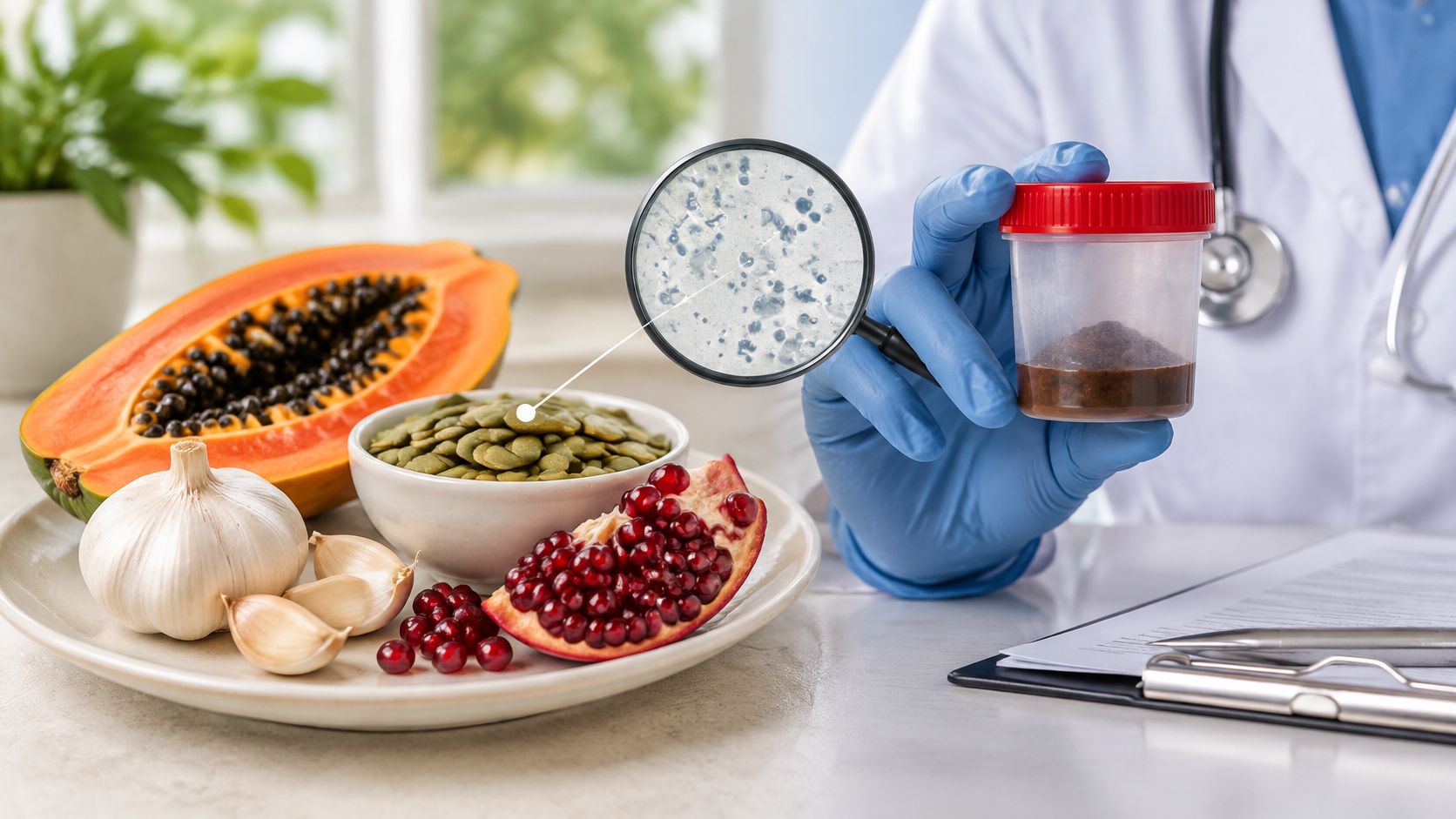
If a food changes digestive symptoms, does that mean it has killed a worm, or only that digestion has changed? That distinction explains why claims about foods that kill worms in humans can sound convincing without establishing that an infection was ever present or cleared.
A friend, wellness article, or social media post may recommend garlic, pumpkin seeds, or a parasite cleanse. The question is reasonable, but no common food has reliable clinical evidence that it consistently eradicates human intestinal worms. Feeling better after eating something isn't the same as documenting successful treatment.
The useful distinction is between laboratory activity, preliminary human findings, and demonstrated clinical treatment. A compound affecting a parasite outside the body doesn't establish that eating the food delivers an effective, safe treatment inside a person. Likewise, small studies can't automatically establish a dependable treatment protocol.
For patients with persistent digestive symptoms, including those managing cancer or complex chronic illness, the priority is neither dismissing the concern nor assuming parasites are responsible. It's choosing an evaluation that can distinguish a worm infection from other causes, then matching care to the findings.
Table of Contents
- 1. Garlic
- 2. Pumpkin Seeds
- 3. Papaya Seeds
- 4. Coconut and Coconut Products
- 5. High-Fiber and Whole-Food Diets
- 6. Fermented Foods and Probiotics
- 7. Herbal Cleanses Containing Black Walnut or Wormwood
- How the Evidence and Safety Profile Compare Across Popular Worm Foods
- Next Steps for Foods That Kill Worms in Humans
1. Garlic
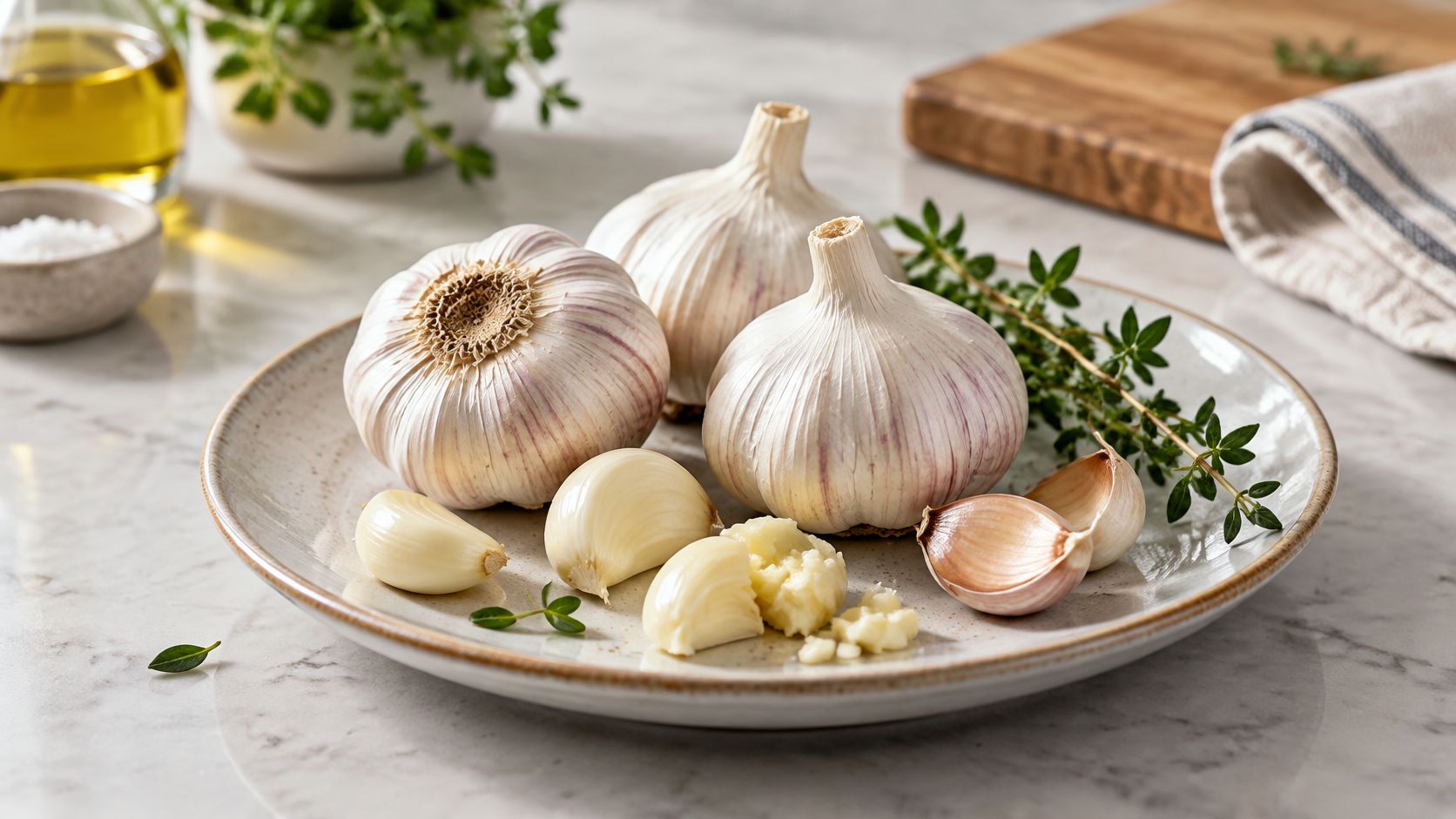
Garlic's reputation as an antiparasitic food is stronger than its clinical evidence. Claims commonly center on allicin and other sulfur compounds, but proposed biological activity isn't proof that eating garlic clears an established infection. Reliable human eradication hasn't been established, and the World Health Organization's guidance on soil-transmitted helminths identifies antiparasitic medicines, rather than dietary remedies, as evidence-based treatment.
The important question isn't whether garlic contains biologically active substances. It's whether a defined preparation safely eliminates an identified worm in people, with appropriate follow-up. Traditional use, laboratory observations, and limited human reports don't answer that question adequately.
Food use isn't a treatment protocol
Consider an adult who adds raw garlic to meals after developing diarrhea following travel. Even if symptoms improve, that doesn't establish whether the original problem was a worm, another infection, a dietary intolerance, or something unrelated.
Practical rule: A change in symptoms after eating garlic isn't a diagnostic test or proof of parasite clearance.
Garlic can remain a normal meal ingredient if tolerated. Concentrated supplements deserve a separate medication review, particularly for someone taking blood thinners; food amounts and supplement preparations shouldn't be treated as interchangeable.
Diagnostic next step: Persistent diarrhea, abdominal pain, unexplained weight loss, anemia, or visible worms warrants clinical evaluation. A clinician can review exposures and determine whether stool testing or another investigation is appropriate, rather than using a garlic trial to decide whether infection exists.
2. Pumpkin Seeds
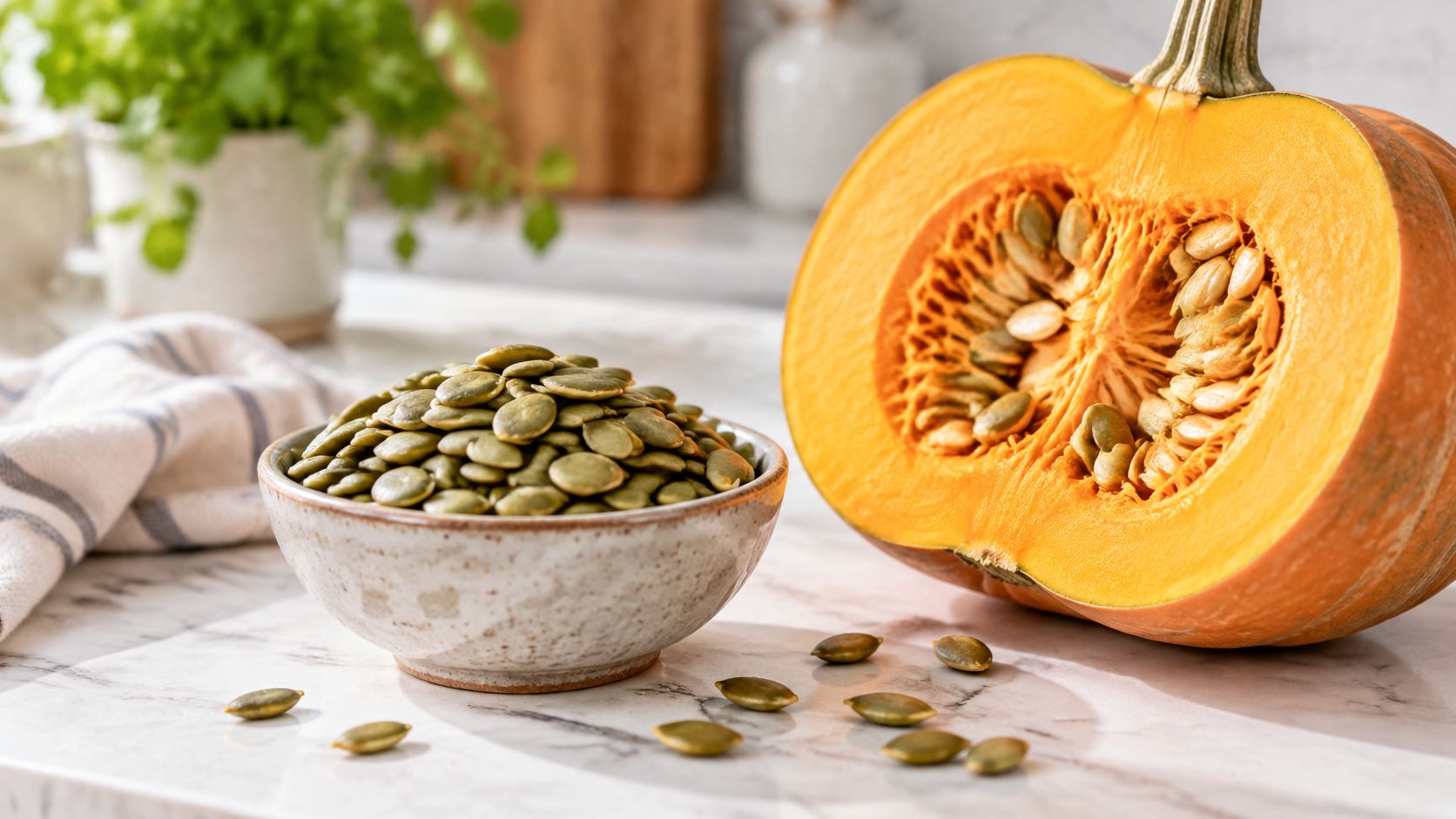
A bowl of pumpkin seeds is food, not a validated tapeworm treatment. Traditional use and claims about worm-paralyzing compounds don't establish consistent clearance in controlled human care. The WHO's soil-transmitted helminthiasis program information describes medication-based public-health control, not seed-based treatment.
The evidence category is unproven clinical efficacy, rather than a reliable natural alternative. A patient shouldn't infer that seeds treat every intestinal parasite, or that a commercially prepared product has demonstrated deworming activity.
For example, someone who notices an unusual object in stool might begin eating seeds while waiting to see whether it disappears. That approach cannot identify the material or establish which treatment, if any, is needed.
Separate food choice, allergy evaluation, and parasite testing
- Food choice: Products such as organic pumpkin seeds in 100g packs are grocery options, not evidence of antiparasitic effectiveness.
- Tolerance and safety: Known seed allergy or symptoms after eating seeds should take priority over any proposed remedy. Large dietary changes also shouldn't replace assessment of ongoing digestive symptoms.
- Test purpose: Sunridge's pumpkin seed F226 IgE test information concerns allergy evaluation. It isn't a test for worms or a measure of whether seeds have treated an infection.
Diagnostic next step: A patient reporting visible worms or suspected segments should contact a clinician for identification and specimen instructions. Identifying the organism is more useful than choosing a seed preparation based on a presumed diagnosis.
3. Papaya Seeds

Papaya seeds require a careful distinction between preliminary findings and an established treatment. Small human studies are often cited in support of seed preparations, but they don't establish a consistent, clinically validated regimen for routine use. Neither a proposed plant compound nor an encouraging early result supplies dependable instructions for treating an unidentified parasite.
A useful comparison is the organism-specific evidence required for medicines. In a review of drug trials, the WHO evidence assessment reported mean egg-reduction rates against hookworm of 89.8% for albendazole versus 68.2% for mebendazole. These are egg-reduction measures, not universal cure rates, and they illustrate why the organism and treatment matter.
Why a homemade seed preparation doesn't settle the question
A person who blends papaya seeds into a smoothie after reading about a small study hasn't necessarily reproduced the study preparation, patient population, or follow-up. A change in bowel movements cannot establish parasite clearance.
Papaya fruit as food and papaya seeds used as medicine are different decisions.
Safety and dosing for self-directed seed treatment aren't established. A patient considering a preparation should bring its ingredients and proposed use to a clinician, especially during pregnancy or complex medical treatment.
Sunridge's papaya F293 IgE test information addresses allergy evaluation, not parasite detection. Diagnostic next step: Persistent diarrhea, weight loss, or anal itching calls for a symptom-specific assessment and selection of the appropriate test, rather than assuming a general stool panel answers every question.
4. Coconut and Coconut Products
Coconut oil, coconut milk, and dried coconut are often grouped together in home-remedy advice, although they aren't interchangeable preparations. Claims usually move from traditional use or laboratory antimicrobial observations to an unsupported conclusion that eating coconut expels intestinal worms. That clinical benefit hasn't been established.
The practical issue is broader than whether coconut contains an interesting fatty acid. Treatment decisions depend on the suspected parasite and the patient's circumstances; the WHO overview of soil-transmitted helminthiases describes medicine-based deworming, not a food-equivalent approach.
Consider someone who begins taking coconut oil daily for bloating. If the bloating changes, the result doesn't identify a parasite, establish a diagnosis, or show that an infection has cleared. Increasing the amount doesn't resolve those uncertainties.
The safety issue is unnecessary dietary displacement
Coconut can be an ingredient without becoming the center of a treatment plan. Oil-heavy remedies may displace ordinary meals, and the saturated fat content of coconut products matters for patients already managing cholesterol or cardiovascular concerns.
- Check the product: Coconut milk, oil, and dried coconut have different nutritional profiles. Labels matter more than broad claims about coconut.
- Avoid escalation: There's no validated food dose that can be increased until a presumed worm infection disappears.
- Keep care separate: A recipe or traditional remedy shouldn't replace prescribed antiparasitic treatment.
Diagnostic next step: A clinician should first clarify the symptom pattern and relevant exposures, including travel, untreated water, soil contact, and undercooked foods. Testing should follow the suspected infection, not the coconut product a patient has chosen.
5. High-Fiber and Whole-Food Diets

More frequent bowel movements aren't evidence that a person has expelled an infection. Vegetables, fruit, legumes, and whole grains can contribute to a varied diet, but dietary fiber isn't a clinically established deworming treatment.
Food has a clearer role in reducing exposure than in killing worms already inside the body. PAHO's guidance on soil-transmitted helminthiasis emphasizes handwashing, safe water, sanitation, footwear, and proper disposal of feces alongside medication-based control.
That distinction changes the advice. Rather than pursuing a restrictive cleanse, a patient can maintain adequate nutrition, handle food safely, and investigate persistent symptoms.
Better bowel function doesn't prove eradication
Suppose someone replaces a low-fiber diet with beans, vegetables, and whole-grain bread, then notices easier bowel movements. That may be a useful dietary change, but it doesn't show whether worms were present beforehand or absent afterward.
A useful distinction: Prevention reduces opportunities for infection. Treatment addresses an infection that's already present.
The main practical safety issue is making abrupt or restrictive changes while symptoms remain unexplained. Fiber increases should be gradual and paired with appropriate fluid intake; worsening pain or diarrhea shouldn't be dismissed as evidence that a cleanse is working.
Diagnostic next step: A symptom record can document stool changes, pain, food changes, travel, and weight concerns for the clinical visit. Persistent symptoms need evaluation on their own merits, even when a whole-food diet improves some aspects of digestion.
6. Fermented Foods and Probiotics
A patient may reasonably ask whether yogurt, kefir, sauerkraut, kimchi, or a probiotic supplement could help after a digestive illness. That's a different question from whether these products eliminate worms. Research about the microbiome or relief of digestive symptoms cannot be assumed to demonstrate helminth clearance.
Fermented foods and probiotic supplements also aren't interchangeable. A food label or named bacterial strain doesn't establish that a product treats a particular parasite, and the clinical relevance depends on the actual outcome studied.
The Merck Manual overview of parasitic infections explains that evaluation depends on the suspected organism and may require different specimens or testing methods. Supporting general digestive comfort doesn't replace that diagnostic process.
Gut support and parasite treatment have different targets
For example, someone with bloating after travel might try kefir and feel better. Improvement doesn't establish whether the original cause was a worm, another infection, altered eating patterns, or a noninfectious condition.
Sunridge's information about gut dysbiosis and digestive concerns addresses a related topic, but dysbiosis isn't interchangeable with a worm diagnosis. Likewise, Rip Van's guide to gut-friendly snacks can inform food choices, not establish parasite treatment.
The safety issue is selecting supplements without considering the patient's medical context, particularly with immunocompromise or complex treatment. Product ingredients, strains, and suitability deserve individualized review.
Diagnostic next step: Persistent diarrhea, relevant travel, or immunocompromise should prompt clinician-directed assessment. A negative result must be interpreted against the suspected organism and test used; it isn't automatically a reason to substitute probiotics for further evaluation.
7. Herbal Cleanses Containing Black Walnut or Wormwood
Black walnut hull and wormwood belong in a different category from ordinary foods. Commercial parasite cleanses may also include clove and other herbs, often combining several concentrated ingredients. Traditional use and laboratory activity don't establish a safe, effective human deworming regimen.
The WHO guideline on preventive chemotherapy for soil-transmitted helminths supports medication-based control paired with measures to reduce transmission. It doesn't establish herbal cleansing as a substitute.
Claims about these products deserve particular caution because both the proposed benefit and the exposure can be uncertain. A mixture containing several herbs cannot be evaluated by reading that an isolated compound affected a parasite in a laboratory.
Concentration changes the safety question
A patient who buys a black walnut, wormwood, and clove blend for unexplained fatigue may be treating an infection that hasn't been demonstrated. New symptoms after starting the product shouldn't be interpreted as proof that parasites are dying.
- Wormwood concern: Thujone exposure can cause neurologic toxicity, including seizures at high exposure. Concentrated preparations shouldn't be treated like culinary ingredients.
- Black walnut concern: Allergy, gastrointestinal intolerance, and possible medication interactions warrant review.
- Product concern: Strength, ingredients, and combined exposure may be unclear, particularly when several products are taken together.
Sunridge's information about parasitic infections provides context for discussing a suspected infection rather than assuming a cleanse is appropriate.
Diagnostic next step: The patient should bring the actual containers and a complete medication list to an evaluation. Seizures, a severe allergic reaction, persistent vomiting, or sudden neurologic changes after an herbal product require urgent medical care, not further cleansing.
How the Evidence and Safety Profile Compare Across Popular Worm Foods
| Item | Human Evidence | Main Safety Concern | Role in Standard Care |
|---|---|---|---|
| Garlic | Sparse, low-quality studies; reliable worm clearance has not been shown. | Supplements may cause stomach upset or increase bleeding risk. | Food only; not a substitute for testing or prescribed antiparasitic treatment. |
| Pumpkin Seeds | Limited, inconclusive clinical evidence. | Large portions may cause bloating or loose stools. | Nutritious food, but not an established worm treatment. |
| Papaya Seeds | A few small studies report possible effects; findings are preliminary and inconsistent. | Dosing and long-term safety are unclear; may cause gastrointestinal symptoms. | Not recommended as primary therapy; seek clinical evaluation and treatment. |
| Coconut and Coconut Products | Human evidence for antiparasitic effects is minimal. | High saturated fat, especially in coconut oil and full-fat milk. | Food in moderation; not a treatment for intestinal worms. |
| High-Fiber and Whole-Food Diets | Supports general health, but does not reliably clear worms. | Rapid increases in fiber may cause gas, bloating, or cramping. | Supportive nutrition, not antiparasitic treatment. |
| Fermented Foods and Probiotics | No reliable evidence of worm clearance in humans. | Supplement quality varies; rare infection risk for some seriously ill or immunocompromised people. | May support general digestive wellness but cannot replace parasite evaluation or treatment. |
| Herbal Cleanses Containing Black Walnut or Wormwood | Human evidence is insufficient to recommend use. | Potential neurologic, allergic, gastrointestinal, and medication-interaction risks; product contents may vary. | Not recommended for self-treatment; use clinician-guided standard care. |
Next Steps for Foods That Kill Worms in Humans
No food has been shown to reliably clear an established intestinal worm infection in humans. The next useful step is confirming what's happening, rather than ranking remedies by reputation. A clinician can review symptoms, travel or residence history, household exposure, food and water risks, medications, and immune status before deciding what testing is appropriate.
Stool microscopy, antigen testing, or molecular testing may be useful depending on the suspected organism. Other suspected parasitic infections can require different specimens, and a negative result doesn't answer questions the chosen test wasn't designed to investigate.
Match the decision to the findings
- When infection is suspected: Select testing based on symptoms and exposure, rather than ordering an indiscriminate panel or starting a cleanse.
- When infection is identified: Match treatment to the organism and patient's circumstances, including pregnancy, age, other medicines, and relevant medical conditions.
- When testing doesn't explain symptoms: Consider other gastrointestinal or systemic causes instead of assuming an undetected parasite.
- During recovery: Use nutrition and hygiene as supportive care, without presenting them as substitutes for necessary treatment.
Sunridge Medical is an experienced integrative clinic in Scottsdale, Arizona, offering individualized, evidence-informed evaluation and coordinated care for people with digestive and complex chronic concerns. For patients in Phoenix, the greater Phoenix area, or those traveling for care, a consultation may help organize prior findings, review proposed complementary approaches, and determine appropriate next steps alongside existing physicians.
Integrative care is most useful here when it separates treatment of a demonstrated infection from support for nutrition, tolerability, and broader health needs. It shouldn't delay medically necessary conventional treatment, and consultation suitability is determined only after individualized evaluation. No outcome is guaranteed.
Anyone with severe abdominal pain, blood in the stool, high fever, seizures, or signs of a serious reaction should seek emergency care right away. Persistent but nonemergency symptoms deserve a planned clinical assessment rather than repeated home-remedy trials.
Sunridge Medical offers individualized evaluation and coordinated integrative care for patients with persistent digestive symptoms and complex health concerns. Patients considering food remedies, supplements, or herbal parasite cleanses can visit Sunridge Medical to contact the Scottsdale clinic about whether a consultation or second opinion is appropriate. Suitability and next steps are determined after clinical evaluation, with care coordinated alongside existing physicians when appropriate.