
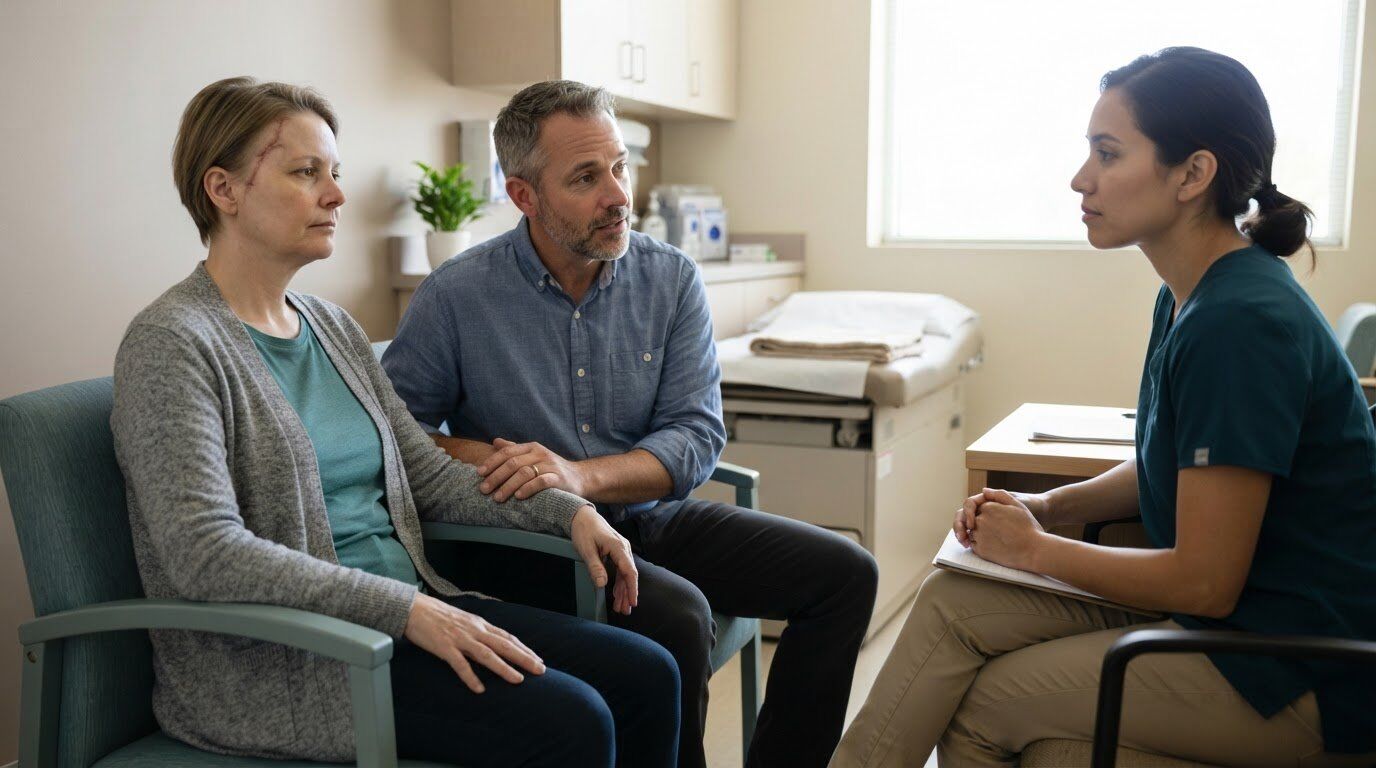
Caregiving should never rest on one person alone. Supportive care for glioblastoma patients is strongest when practical tasks, emotional support, and communication with the medical team are shared and coordinated. Palliative care can be provided alongside treatment intended to control or cure the illness, helping address symptoms and stress while care continues.
It’s understandable to feel responsible for managing every detail, especially as symptoms and care needs change. A clear system can make caregiving more manageable: agree on who handles appointments and daily tasks, keep a record of symptoms and questions for the medical team, and invite family, friends, or support groups to share the load. Revisit the plan as the patient’s needs and your capacity change. This guide explains how to build a support network, communicate with healthcare professionals, understand symptoms and diagnosis information, and coordinate care resources. The goal isn’t to make a difficult experience simple. It’s to help you move forward with greater clarity, steadier support, and one practical next step at a time.
Key Takeaways
- Share caregiving responsibilities with trusted people and consider professionally led support groups for patients and caregivers.
- Prepare clear notes about symptoms, concerns, and questions to make conversations with healthcare professionals more focused.
- Track changes in symptoms and side effects so the care team has useful information when discussing support needs.
- Use the diagnosis details and available care-coordination resources to organize practical next steps and support.
- Explore Sunridge Medical’s Alternative Cancer Treatment Protocols when considering an individualized approach to cancer care.
1. How can I build a strong support system for caregiving?
Caregivers can support someone with glioblastoma by sharing daily responsibilities with family, friends, community members, and support groups. To arrange respite, divide specific tasks among trusted helpers and discuss practical support options with an oncology social worker, who can help people cope with cancer-related challenges.
Start with a written list of the patient’s needs, such as rides, meals, appointment notes, or quiet company. Match each task with someone who can take it on, then agree on when and how they’ll help. For example, one relative might drive to appointments while a friend prepares meals. A clear plan gives caregivers time to rest and helps the patient receive dependable support.
Support needs go beyond daily logistics. Palliative care can address symptoms and stress associated with serious illness, and it can be provided alongside treatment intended to control or cure the illness. Ask the clinical team how supportive and palliative care can fit the patient’s treatment goals. This makes room to discuss comfort, emotional strain, and practical needs as part of care.
Professionally led virtual groups can offer a structured place to share experiences. The Glioblastoma Support Circle is led by support facilitators, including clinical psychologists. Its groups meet every other Thursday over a 12-week period, with six meetings. A patient or caregiver may find it useful to hear how others manage difficult conversations, changing roles, or uncertainty. Online meetings can also make participation possible from home.
Caregivers need support for their own health, not only for their caregiving role. Forty-seven percent of cancer patient caregivers experience anxiety, and two in three unpaid caregivers reported a negative impact on their mental health. Nearly four in 10 caregivers consider their situation highly stressful. These figures reinforce the value of naming distress early and seeking emotional support before exhaustion becomes overwhelming.
Make your health part of the care plan. Keep medical appointments, protect time for sleep, and tell someone you trust when stress or physical symptoms are interfering with daily life. Sleep affects caregivers’ emotions, cognition, and physical well-being, so accepting overnight help or a scheduled break can support clearer thinking and steadier care.
Mindfulness and boundaries can make caregiving more sustainable. Try a brief breathing exercise before a difficult call, or pause for a quiet moment after an appointment. Set limits with the patient and others, such as defining when you’re available for calls. Keep a valued routine, like a short walk or a regular conversation with a friend. These steps support your well-being and your relationship while keeping practical help responsive to the patient’s changing needs.
2. Communication with healthcare professionals
Clear communication helps make a busy appointment a focused conversation. Before meeting the oncologist, write down the patient’s main concern, recent changes, and the decision that needs attention. For example, note when a new headache began, what makes it worse, and how it affects daily activities. Bring the list so important details aren’t lost during a stressful discussion.
During the appointment, ask one question at a time and request plain-language explanations of unfamiliar clinical terms. If the care team discusses a treatment change, ask what it is intended to address, what changes to watch for, and whom to call with concerns. Repeat the plan in your own words before leaving. This helps the patient and family share an understanding of the next steps.
Caregivers can also encourage emotional openness by listening without immediately correcting or trying to solve every fear. A simple prompt such as, “What feels hardest today?” can help someone with brain cancer express what matters to them. Allow pauses, acknowledge the feeling, and ask whether they want listening, practical help, or a conversation with the care team. Respecting that choice supports trust.
When symptoms or worries change between appointments, keep a concise record for the next conversation. Note the concern, when it appeared, and how it affected the patient’s routine. Share the record with the medical team and ask which changes need prompt attention. Oncology social workers can help people with cancer cope with emotional and practical challenges, including difficult family conversations and the strain of coordinating care.
Social connection can complement clinical conversations. Choose a relative or friend who can attend an appointment, take notes, or help the patient remember the plan. With the patient’s agreement, share relevant updates with family members so they can offer specific support without asking the patient to repeat difficult details. A trusted community member might coordinate rides while another contact organizes meals or check-ins.
Community programs can ease isolation and provide structured support. A caregiver or patient can look for cancer-focused groups, counseling, or practical assistance through community organizations and the care team. Before joining a group, consider whether its format feels comfortable, such as virtual meetings or facilitated discussion. Professionally led groups may offer a setting to discuss grief, uncertainty, and changing roles with people who understand the experience.
Use each conversation to define a manageable next step. Assign one family member to follow up on a resource, record the answer, and share it with others. If emotional strain is making communication difficult, tell the oncology team or social worker directly. Naming the concern helps the team understand what support could make the next conversation more useful.
3. Glioblastoma and primary malignant glioma symptom burden
Symptoms and treatment side effects can change what someone with glioblastoma can manage each day. A brief daily record helps caregivers notice patterns and communicate them clearly. Note what changed, when it began, how it affects routine activities, and whether it is improving or worsening. For example, record whether fatigue interrupts a meal or makes a usual task difficult. Share these observations with the medical team, especially when a change affects safety or daily function.
Use the record to make conversations specific. Instead of saying “things are worse,” describe what changed and when, then ask how the care team recommends managing it. Include side effects as well as symptoms, and list questions that arise between appointments. For sleep difficulties, caregivers are advised to try non-pharmacological approaches before sleep medications, which can cause dependence. A calm bedtime routine is one practical step to discuss with the clinical team.
Rehabilitation can help address changes in movement, balance, communication, or everyday tasks. Physical therapy can assess mobility and help identify appropriate ways to practise movement. Occupational and speech-language therapy can address daily activities and communication needs. Ask the care team which rehabilitation assessment fits the patient’s current abilities and goals.
Advance care planning gives patients a chance to express their preferences while they can participate in decisions. Discuss who should speak for the patient if communication becomes difficult, which outcomes matter most, and how the patient wants family involved. Write down questions for the next appointment and invite someone trusted to help capture the discussion. Revisit these conversations as the patient’s priorities or circumstances change.
Planning for end-of-life support can include discussing hospice and symptom relief. In the United States, hospice care is intended for people with a life-limiting illness who typically have a prognosis of six months or less, according to the Centers for Medicare & Medicaid Services. Ask the care team how hospice differs from palliative care and what support each can address. Palliative care aims to relieve symptoms and stress associated with serious illness.
Caregivers also need a plan for sharing observations and responsibilities. Choose one person to maintain the symptom record and another to help communicate updates, if the patient agrees. Friends can assist with meals or transportation, while a community organization may help identify practical resources. If symptoms are becoming harder to manage at home, bring specific examples to the medical team and ask what adjustments or additional support could help.

4. Understanding the specific brain cancer diagnosis
A glioblastoma diagnosis can bring unfamiliar terms and difficult statistics into urgent conversations. Glioblastoma is described as a grade IV brain tumor, and glioblastomas account for about 55 percent of brain cancer cases. Ask the treating team to explain the specific diagnosis and what information supports it. Write down unfamiliar terms so the patient and family can review them together after the appointment.
Prognosis figures need careful interpretation. The average life expectancy after a glioblastoma diagnosis is reported as 15 months. A median survival figure for Grade IV primary malignant glioma is 48.2 weeks. These are different statistical measures, and neither gives an individual patient’s exact course. Ask the oncologist what each figure means, which patient group it describes, and how the patient’s diagnosis and current condition inform their care discussions.
Common brain cancer treatment approaches include surgery, radiation therapy, and chemotherapy. The medical team can explain which approaches are part of the patient’s plan, their intended purpose, and how progress will be assessed. For a productive appointment, bring written questions: What is the treatment aiming to address? What changes should prompt a call? How will the team discuss supportive care alongside treatment? Clear answers help families understand the plan without confusing general information with decisions for an individual patient.
A diagnosis also affects emotional well-being. Therapy can help patients and caregivers process the diagnosis and the realities of caregiving. A therapist can provide a dedicated setting to discuss fear, grief, relationship changes, and decisions that feel difficult to raise with family. If the patient prefers, a caregiver can help identify questions for a first session, such as how to manage distress or talk with loved ones about changing needs.
Make the information usable. After a medical discussion, record the diagnosis terms, treatment plan, and next questions in one shared document. Ask a trusted family member to attend or help review the notes, with the patient’s agreement. This can reduce repeated explanations and keep everyone focused on the same information. If a prognosis figure feels overwhelming, ask the oncologist to explain its limits and which factors matter for the patient’s care planning.
Understanding a diagnosis doesn’t require learning every medical term at once. Choose one topic for each conversation, such as the meaning of grade IV or the role of a treatment approach. Keep the answers with the patient’s notes and revisit them as questions arise. This steady process helps patients and caregivers take part in decisions with greater clarity while making room for emotional support.
5. Care coordination apps and support resources
A shared care calendar can turn scattered updates into a practical plan. Use a secure calendar or coordination app to record appointments, surgery dates, treatment visits, and follow-up tasks. Give participating family members clear roles, such as arranging a ride or preparing a meal. Have one designated person update changes so everyone works from the same schedule.
Choose tools that fit the household’s needs rather than adding unnecessary complexity. A shared task list can assign groceries, transportation, and calls to specific helpers. A notes section can hold questions for the medical team, while a calendar reminder can prompt someone to replenish household supplies. Agree on who can see the information, and don’t put sensitive details in a shared space without the patient’s permission.
For symptom and appointment coordination, record concise observations and questions in one place. Include the date, the issue, and the task needing follow-up. For example, note that a ride is needed for a treatment visit, then assign a friend to coordinate it. This makes caregiving responsibilities visible and reduces repeated messages. Review the schedule together at regular family check-ins and update assignments as needs change.
Support resources can also include professionally facilitated groups and community assistance. The Glioblastoma Support Circle offers six meetings over a 12-week period, meeting every other Thursday. A group can provide a separate space for patients or caregivers to discuss the emotional and practical aspects of care. For hands-on help, ask an oncology social worker about local community resources that fit the family’s needs.
Financial assistance, insurance coverage, and transportation support can be explored through different routes. Ask the oncology social worker about financial assistance resources, contact the health plan about covered care and benefits, and organize rides through family, friends, or community programs. Caregivers balancing work and caregiving can discuss the U.S. Family and Medical Leave Act (FMLA) with their employer.
Keep these conversations organized. Create a short list of questions about coverage, paperwork, transportation, and work leave. Record the office contacted, the next step, and who will follow up. This simple tracking method helps families avoid missed tasks while preserving time for rest and patient support.
Care coordination works best when its tools reduce friction rather than create another burden. Start with one shared calendar and one task list, then add tools only when a clear need emerges. For guidance on an individualized approach to cancer care, explore care options.
Sunridge Medical
Sunridge Medical develops individualized care plans for people considering an integrative approach to complex illness. Its Alternative Cancer Treatment Protocols combine conventional therapies with research-based alternative treatments, with care shaped around each patient. For someone affected by glioblastoma, this may be a next step when exploring additional perspectives alongside conversations with the existing oncology team. The aim is to consider the person’s broader health needs, questions, and treatment context, without replacing decisions made with their medical professionals. Bring the diagnosis information and current care questions to a discussion about whether this approach aligns with the patient’s needs. To discuss your situation and care questions, contact Sunridge Medical.
Choose a next step that fits your needs
The next step doesn’t need to answer every question at once. Consider what matters most now: understanding care options, discussing concerns with a clinician, or finding an approach that reflects the patient’s needs and priorities. Supportive care for glioblastoma patients is personal, and meaningful conversations can help clarify which questions deserve attention first.
Sunridge Medical offers Alternative Cancer Treatment Protocols, Chronic Lyme Disease Treatment, and Autoimmune Disease Management. For someone exploring an individualized perspective on cancer care, Sunridge Medical can be part of a broader conversation about care options. Keep the patient’s current treatment team involved in decisions, and bring forward the questions that feel most important to discuss.
There is no need to have everything resolved before taking a first step. A thoughtful discussion can help you consider what direction feels appropriate. Contact Sunridge Medical to begin that conversation, and move forward with care and clarity.
Frequently Asked Questions
What is the difference between palliative care and hospice care?
Palliative care focuses on relieving symptoms and stress from serious illness and can accompany treatment intended to control or cure the illness. Hospice is an end-of-life care option for people with a life-limiting illness. In the United States, it is generally intended for people with a prognosis of six months or less, according to the Centers for Medicare & Medicaid Services. The distinction is whether care continues alongside treatment or focuses on end-of-life needs.
What supportive care services are recommended for glioblastoma patients?
Supportive care for glioblastoma patients can address symptoms, emotional strain, mobility, nutrition, and practical needs. The right combination depends on the patient’s circumstances and goals. For example, a nutritionist can help shape a diet plan around individual needs, while an oncology social worker can help with practical and emotional challenges. Ask the care team which support could help most now, such as assistance with eating or daily activities.
How can symptoms such as seizures, headaches, nausea, and fatigue be managed in glioblastoma?
Managing symptoms starts with a clear plan from the treating team for each concern. Record when a seizure, headache, nausea, or fatigue occurs, how it affects daily activities, and whether it changes. Bring those details to the care team and ask what action to take for each symptom. Don’t start, stop, or change medication without discussing it with the clinician responsible for the patient’s care.
What nutrition and swallowing support may glioblastoma patients need?
A nutritionist can help develop a diet plan suited to the patient’s needs. If eating becomes difficult, meals take much longer than usual, or swallowing feels unsafe, tell the care team and ask for an assessment of nutrition and swallowing needs. Describe what happens during meals, including which foods or drinks are difficult. These practical details help clinicians make individualized recommendations rather than relying on a general diet plan.
How can cognitive changes, depression, anxiety, and sleep problems be addressed?
A coordinated approach to supportive care for glioblastoma patients can include discussing cognitive, mood, and sleep changes with the care team. Note when concerns began and how they affect daily life. Therapy can help patients and caregivers process the diagnosis and caregiving demands, providing space to discuss distress or changing family roles. Ask the team which emotional or cognitive support fits the patient’s situation, and involve the patient in that conversation when possible.
What palliative care and hospice options are available for glioblastoma patients in the United States?
Palliative care can focus on relieving symptoms and stress while other treatment continues. Hospice is another option for end-of-life care. According to the Centers for Medicare & Medicaid Services, it is intended for people with a life-limiting illness who typically have a prognosis of six months or less. Ask the care team to explain how each option fits the patient’s goals and current needs, and what support it can provide.
What supportive medications are commonly used during glioblastoma treatment, and what are their risks?
Medication choices depend on the symptom being treated, the cancer treatment plan, and the patient’s overall clinical picture. Ask the prescriber what each medicine is intended to address, which side effects to watch for, and whether it could interact with other medicines or supplements. Keep an up-to-date medication list for appointments, and report unwanted effects to the care team before changing a dose or schedule.