

Sunridge Medical · Scottsdale, Arizona

Alternative Thyroid Cancer Treatment

If you have thyroid cancer, call us. We can help you understand what the diagnosis means for your next step.

We review the exact cell type, ultrasound, pathology, molecular findings, prior treatment and whole-person needs in a coordinated plan.

New diagnoses, recurrence, advanced disease and second-opinion questions are welcome.

Talk With Our Thyroid Cancer Patient Care Team

There is no charge to speak with our Patient Care Team about your thyroid cancer diagnosis, ask practical questions and learn whether a physician consultation may be an appropriate next step.

Prefer to speak now?Call 1-800-923-7878This introductory call is free. It is not a medical consultation and does not establish a physician-patient relationship.
Explore this cancer section

Thyroid Cancer

Integrative Oncology · Thyroid Cancer · Precision Treatment

Alternative Thyroid Cancer Treatment: Precision Oncology and Integrative Support

Many differentiated thyroid cancers are highly treatable, while medullary and anaplastic cancers require distinct, expert pathways. Sunridge Medical adds coordinated integrative support around endocrine surgery, nuclear medicine, oncology and long-term thyroid-hormone care.

We welcome patients evaluating a thyroid nodule, preparing for surgery or radioactive iodine, living with treatment effects, or seeking a broader review for recurrent, metastatic or radioactive-iodine-refractory disease.

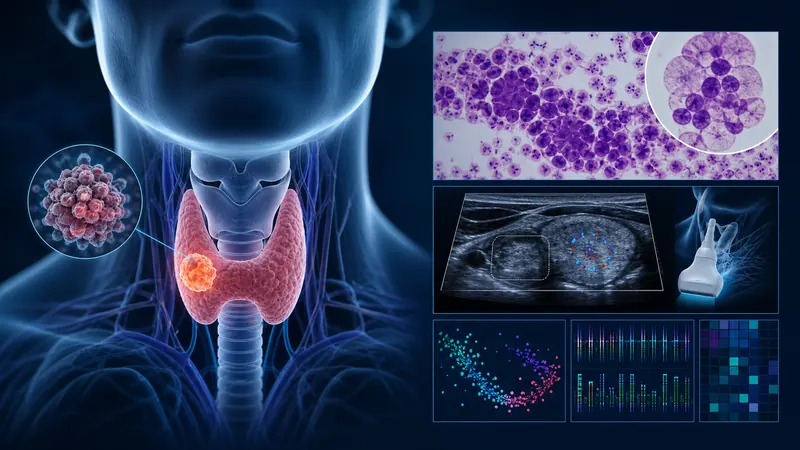
Thyroid cancer evaluation with neck anatomy, pathology, ultrasound and molecular testing
First questionWhich thyroid cancer?Papillary, follicular, medullary and anaplastic cancers are treated differently.
Many nodulesNot every nodule is cancerUltrasound risk features and biopsy guide next steps.
Precision careBiomarkers can open optionsRET, BRAF and NTRK results may change advanced-disease treatment.
Whole personRecovery continues after surgeryVoice, swallowing, calcium, energy and thyroid dosing matter.
Understand the Diagnosis

The Cell Type Determines the Treatment Path

Most thyroid cancers are differentiated cancers that arise from follicular cells. Papillary cancer is the most common; follicular and oncocytic—formerly Hürthle-cell—cancers are less common. Medullary thyroid cancer begins in calcitonin-producing C cells, while anaplastic thyroid cancer is rare, fast-growing and medically urgent.

Differentiated cancer

Papillary, Follicular and Oncocytic

These cancers may be treated with surgery, selective radioactive iodine and individualized thyroid-stimulating-hormone suppression. Risk ranges from indolent to aggressive.

Medullary cancer

Calcitonin, CEA and RET

Radioactive iodine does not treat medullary thyroid cancer. Germline RET testing is important because the diagnosis may be part of inherited MEN2 syndrome.

Anaplastic cancer

Urgent Molecular Testing

Rapid pathology confirmation and BRAF V600E testing are essential. Airway, surgery, radiation and systemic therapy decisions often need a specialized multidisciplinary team.

Active surveillance

Selected Very-Low-Risk Tumors

Some small papillary thyroid cancers can be monitored rather than treated immediately when location, imaging, patient preference and reliable follow-up make surveillance appropriate.

Build the Right Evidence First

Ultrasound, Pathology and Molecular Results Each Answer Different Questions

A thyroid nodule evaluation commonly includes history, neck examination, thyroid-stimulating hormone, high-quality ultrasound and fine-needle aspiration when size and ultrasound features justify biopsy. The Bethesda cytology category estimates malignancy risk and helps determine whether repeat biopsy, molecular testing, surveillance or surgery is reasonable.

  • Document nodule size, composition, echogenicity, margins, calcifications and suspicious lymph nodes.
  • Confirm cytology or surgical histology, tumor size, margins, vascular invasion, extrathyroidal extension and lymph-node findings.
  • Use thyroglobulin and anti-thyroglobulin antibodies mainly for follow-up after differentiated-cancer treatment—not as a stand-alone nodule screening test.
  • Measure calcitonin and CEA when medullary thyroid cancer is known or suspected.
  • Consider RET, BRAF, RAS, NTRK and other molecular testing when an indeterminate nodule or advanced cancer may be managed differently because of the result.
  • For medullary cancer, discuss germline RET testing and evaluation for pheochromocytoma before thyroid surgery when MEN2 is possible.
Urgent symptoms need prompt evaluation: rapidly enlarging neck swelling, new breathing difficulty, noisy breathing, trouble swallowing, coughing blood or a quickly changing voice should not wait for an integrative consultation.
Treatment by Histology and Risk

More Treatment Is Not Always Better—but the Right Treatment Matters

The conventional backbone may include active surveillance, thyroid lobectomy, total thyroidectomy, lymph-node surgery, radioactive iodine, external-beam radiation, thyroid-hormone therapy, targeted systemic treatment or a clinical trial. Extent and timing should reflect the specific cancer, anatomy, stage, molecular findings, symptoms and patient priorities.

Localized differentiated cancer

Surgery Can Often Be Curative

Lobectomy may be enough for selected low-risk tumors; total thyroidectomy and node surgery are used when disease features warrant broader treatment.

Radioactive iodine

Useful for Selected Patients

Radioactive iodine can treat iodine-avid differentiated cancer after surgery, but it is not automatically needed for every papillary or follicular cancer and does not treat medullary disease.

Advanced differentiated cancer

Targeted Therapy and Trials

Lenvatinib or sorafenib may be used for progressive radioactive-iodine-refractory disease. RET or NTRK alterations can create more selective targeted options.

Anaplastic or medullary cancer

Match Therapy to Biology

BRAF V600E anaplastic cancer may respond to dabrafenib plus trametinib. RET-mutant medullary cancer and RET-fusion thyroid cancer may be candidates for RET-directed therapy.

Recurrence or Metastasis Still Deserves a Fresh Review

Disease that no longer takes up radioactive iodine is not automatically out of options. Growth rate, symptoms, location, prior therapy and molecular findings help determine whether surveillance, local treatment, kinase inhibition, a selective targeted drug or a clinical trial is most appropriate.

Integrative Care Around Treatment

Support Recovery Without Disrupting Iodine or Thyroid-Hormone Management

Sunridge’s integrative role is to support the patient around endocrine surgery, radioactive iodine, radiation or systemic treatment—not to replace them. A useful plan begins with the exact treatment schedule, thyroid-hormone dose, calcium status, kidney function, medications, supplements, symptoms and goals.

Nutrition

Meet Protein and Micronutrient Needs

Nutrition can support healing, weight stability, bowel function and energy. A low-iodine diet should be used only for the short period directed by the nuclear-medicine team before radioactive iodine.

Rehabilitation

Restore Neck and Shoulder Function

Mobility, posture and progressive activity may help after surgery or neck dissection. Persistent hoarseness or swallowing difficulty deserves voice or swallowing evaluation.

Symptoms

Check the Treatable Causes

Fatigue, palpitations, tremor, mood changes, cramps or tingling may relate to thyroid-hormone dosing, calcium, anemia, sleep, treatment effects or other medical causes.

Mind-body care

Address Fear of Recurrence

Mindfulness, yoga, relaxation and psychological support can help selected patients manage anxiety, distress and uncertainty alongside appropriate medical follow-up.

Avoid unsupervised iodine or “thyroid support” supplements. Kelp, high-dose iodine, glandular products and biotin can interfere with treatment or laboratory interpretation. Biotin can distort some thyroid blood tests. Supplements and IV treatments should be reviewed for timing, kidney safety and drug interactions. Sunridge’s IV vitamin C / ascorbic acid information describes an adjunctive, investigational approach—not a substitute for thyroid-cancer treatment.
Life After Thyroid Cancer Treatment

Good Prognosis Does Not Mean Every Symptom Disappears

Many people live for decades after differentiated thyroid cancer, yet fatigue, fear of recurrence, voice or swallowing changes, altered body image, neck discomfort and the challenge of finding the right thyroid-hormone dose can still affect quality of life.

Woman and family member discussing thyroid cancer treatment and quality of life with clinicians

Survivorship Is Active Medical Care

  • Follow the recommended ultrasound, thyroglobulin, calcitonin, CEA or imaging schedule for your cancer type.
  • Take levothyroxine consistently and discuss the intended TSH target rather than changing the dose independently.
  • Report persistent hoarseness, swallowing difficulty, coughing with liquids, neck swelling or breathing changes.
  • Review calcium, vitamin D, bone and heart health when long-term TSH suppression or parathyroid injury is relevant.
  • Use gradual aerobic and resistance exercise, sleep support and nutrition to rebuild function.

Thyroid-cancer survivors can experience measurable quality-of-life deficits even after successful treatment. Rehabilitation and exercise evidence is still developing, so activity should be individualized and presented as supportive care—not a cure.

Prepare for a Useful Consultation

What to Send Before a Thyroid Cancer Review

  • Neck ultrasound report and access to the actual images when possible.
  • Fine-needle aspiration cytology, Bethesda category and any molecular classifier report.
  • Complete operative and pathology reports, including lymph-node findings.
  • Radioactive-iodine dose, dates, pre- and post-treatment scan reports and preparation method.
  • Thyroglobulin, anti-thyroglobulin antibody, TSH and free T4 trends with dates.
  • Calcitonin, CEA and germline RET results for medullary thyroid cancer.
  • CT, MRI, PET or other imaging and all radiation or systemic-treatment records.
  • Current thyroid-hormone dose, medications, supplements, allergies and recent laboratory results.
  • Your priorities regarding symptoms, voice, swallowing, work, fertility and long-term quality of life.
Questions Patients Ask

Thyroid Cancer Consultation FAQs

Does every thyroid cancer require the whole thyroid to be removed?

No. Selected low-risk differentiated cancers can be treated with lobectomy, and some very small papillary cancers may be monitored. Total thyroidectomy is appropriate when tumor or patient factors justify it.

Does everyone need radioactive iodine?

No. Radioactive iodine is reserved for selected differentiated thyroid cancers based on recurrence risk, postoperative findings and likely iodine avidity. It does not treat medullary or anaplastic thyroid cancer.

Can recurrent or metastatic thyroid cancer still be treated?

Yes. Options may include surgery, radiation, radioactive iodine when still effective, kinase inhibitors, selective RET or NTRK therapy, BRAF/MEK therapy in appropriate anaplastic disease and clinical trials.

Can Sunridge work with my endocrinologist or thyroid-cancer team?

Yes. Integrative care is safest when thyroid-hormone dosing, imaging, radioactive iodine, medications, supplements and supportive treatments are coordinated with the treating specialists.

Should I take iodine or kelp to support my thyroid?

Not without specific medical direction. High-dose iodine or kelp can interfere with radioactive-iodine planning and thyroid function. A prescribed low-iodine diet is temporary and is different from long-term iodine restriction.

What if my voice changed after surgery?

Early hoarseness is common, but persistent or severe voice change needs evaluation. Laryngoscopy, voice therapy and specialist care may identify vocal-cord nerve injury, swelling or other treatable causes.

Primary Sources and Research

References

  1. National Cancer Institute. Thyroid Cancer Treatment (PDQ®)—Health Professional Version.
  2. National Cancer Institute. Thyroid Cancer Treatment (PDQ®)—Patient Version.
  3. National Cancer Institute. Genetics of Endocrine and Neuroendocrine Neoplasias (PDQ®).
  4. National Cancer Institute. Advances in Thyroid Cancer Research.
  5. National Cancer Institute. Biomarker Testing for Cancer Treatment.
  6. U.S. Food and Drug Administration. FDA approves selpercatinib for RET fusion-positive thyroid cancer. June 12, 2024.
  7. U.S. Food and Drug Administration. Dabrafenib prescribing information, including BRAF V600E anaplastic thyroid cancer. 2025.
  8. U.S. Food and Drug Administration. Lenvatinib prescribing information, including radioactive-iodine-refractory differentiated thyroid cancer. 2024.
  9. Society for Integrative Oncology–ASCO Guideline. Integrative oncology care of anxiety and depression in adults with cancer. J Clin Oncol. 2023.
  10. Society for Integrative Oncology–ASCO Guideline. Integrative medicine for pain management in oncology. J Clin Oncol. 2022.
  11. Role of prehabilitation and rehabilitation on functional recovery and quality of life in thyroid cancer patients. 2023.
  12. Thyroid cancer survivors experience persistent symptoms and health-related quality-of-life deficits 12 months following surgery. 2025.

Medical information is educational and not a diagnosis or treatment recommendation. Thyroid cancer requires care from qualified endocrine, surgical, nuclear-medicine and oncology specialists. Outcomes cannot be guaranteed.

Ready to Take the Next Step?

Build a Thyroid Cancer Plan Around the Biology and Your Quality of Life

Whether you are evaluating a nodule, preparing for surgery or radioactive iodine, adjusting to thyroid-hormone replacement, or facing recurrent or metastatic disease, our Patient Care Team can help organize the records and next questions.

Scottsdale clinic · Serving Greater Phoenix

Integrative Thyroid Cancer Care in Scottsdale, Arizona

Sunridge Medical provides physician-directed integrative support for people facing thyroid cancer at our Scottsdale clinic. We serve patients from Scottsdale, Phoenix, the Greater Phoenix area and people traveling to Arizona for care.

A review can consider pathology, molecular findings, surgery, radioactive iodine, thyroid-hormone management, nutrition and long-term follow-up.

Visit Sunridge in Scottsdale

14200 N Northsight Blvd, Suite 160
Scottsdale, Arizona 85260
Map, parking and directions →

Speak with our Patient Care Team

Call 1-800-923-7878 for a free introductory conversation about your diagnosis and next steps.

Coming from Phoenix or farther away?

Our team can help you understand scheduling and plan a visit to the Scottsdale clinic.

Scottsdale Clinic

14200 N Northsight Blvd #160
Scottsdale, Arizona 85260

Office Hours

Monday–Friday: 9:00 AM–5:00 PM
Saturday: 9:00 AM–12:00 PM

Visit Sunridge in Scottsdale

FREE INTRODUCTORY CALL

Speak With Our Patient Care Team

Tell us what you are facing. There is no charge to speak with our Patient Care Team, understand how Sunridge works and determine whether a physician consultation may be an appropriate next step.

Call Now: 1-800-923-7878

This introductory call is not a medical consultation and does not establish a physician-patient relationship.

Have a Question or Share Feedback:
It's easy to get in touch with us