


What if the reason your recovery has stalled isn’t because the infection is gone, but because your treatment simply can’t reach where the bacteria are hiding? Many patients find themselves trapped in a cycle of persistent neurological fog and joint pain, often feeling overlooked by conventional medicine after standard oral protocols fail. If you’re searching for a more precise approach, IV therapy for chronic lyme disease offers a sophisticated alternative that prioritizes cellular penetration over general suppression.
It’s frustrating to be told you’re healthy when your body says otherwise, but there’s a clinical path forward that respects your experience. This guide examines how specialized 2026 intravenous protocols bypass gut malabsorption to target deep-tissue reservoirs where Borrelia “persister” cells often reside. You’ll discover how these individualized infusions work to reduce systemic inflammation and restore the daily cognitive and physical function you deserve. By moving beyond one-size-fits-all care, we can begin the methodical work of reclaiming your well-being through advanced, physician-led science.
Key Takeaways
- Learn why standard oral antibiotics often fail and how “persister cells” evade conventional care to cause recurring symptoms.
- Explore the clinical benefits of 100% bioavailability through IV therapy for chronic lyme disease, ensuring therapeutic agents reach deep-tissue reservoirs.
- Discover the synergistic power of combining oxidative therapies with nutritional infusions to disrupt infection while supporting cellular repair.
- Understand the Jarisch-Herxheimer reaction as a positive clinical indicator of bacterial die-off and learn how to navigate the detoxification process.
- See how physician-led, individualized protocols move beyond standardized care to address your specific bacterial load and nutrient deficiencies.
The “Persister” Problem: Why Oral Treatments Often Fail in Chronic Lyme
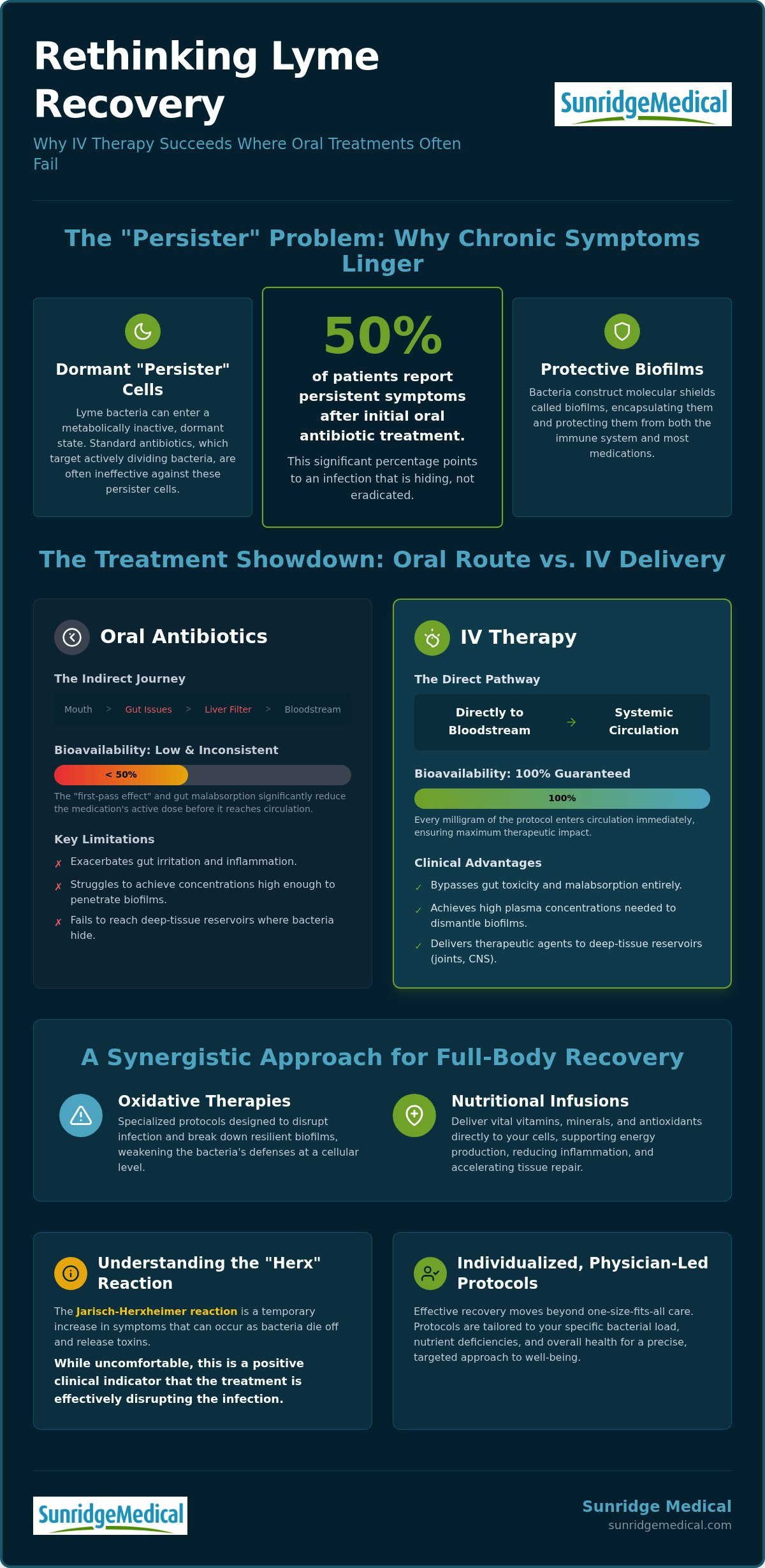
The standard medical response to a tick bite typically involves a short course of oral antibiotics. While this approach is effective for many, clinical data reveals a troubling reality: approximately 50% of patients continue to experience debilitating symptoms months after completing their initial treatment. This statistical gap suggests that the infection isn’t always eradicated by standard protocols. Instead, the bacteria often transition into a dormant state, becoming what researchers call “persister cells.” These cells are metabolically inactive, allowing them to survive rounds of antibiotics that only target actively dividing bacteria.
For a foundational Lyme disease overview, it’s clear that Borrelia burgdorferi is a highly adaptive pathogen. It doesn’t just wait out the treatment; it actively builds defensive structures known as biofilms. These complex, molecular shields encapsulate the bacteria, protecting them from both the host’s immune system and pharmacological interventions. When treatments are delivered orally, they often lack the necessary force to penetrate these biological barriers, leaving the underlying infection intact.
The Limitations of the Digestive Tract
Oral delivery faces significant biological hurdles, primarily the “first-pass effect” where the liver and digestive enzymes degrade therapeutic agents before they reach the systemic circulation. Chronic inflammation, a hallmark of long-term infection, often compromises the gut lining, leading to malabsorption issues. This means that even high doses of oral supplements or medications may never reach therapeutic levels in the blood plasma. There’s also a distinct saturation limit for how many nutrients the gut can process at once. Attempting to force high-dose protocols through the digestive tract often results in severe distress without achieving the necessary cellular impact.
Biofilms and Tissue Reservoirs
Lyme bacteria are notorious for migrating out of the blood and into deep-tissue reservoirs, such as joint fluid, collagen, and the central nervous system. Once they’ve retreated into these areas, they’re shielded by the dense biofilms mentioned earlier. Penetrating these layers requires a high concentration gradient, a level of pressure that oral doses simply cannot achieve. Addressing these deep-seated infections requires a shift toward integrative medicine for chronic illness. By utilizing IV therapy for chronic lyme disease, we can ensure that the concentration of therapeutic agents remains high enough to reach the bacteria where they hide, rather than just circulating superficially.
The Clinical Advantage of Intravenous Delivery for Chronic Lyme
IV therapy for chronic lyme disease involves the direct administration of specialized therapeutic agents into the venous system. This method ensures that the obstacles of the digestive tract don’t interfere with the recovery process. By delivering protocols directly into the bloodstream, we can achieve levels of precision that oral medications simply cannot match. It’s a shift from hopeful supplementation to targeted clinical intervention. This approach allows us to address the infection with a level of intensity that respects the complexity of the disease.
One of the most significant benefits of this method is 100% bioavailability. Every milligram of the prescribed protocol enters the circulation immediately. This is vital because many therapeutic agents exhibit a concentration-dependent effect against Borrelia. To effectively disrupt the infection, the blood plasma must reach a specific threshold of intensity. Research supporting this approach includes studies on intravenous ceftriaxone for lyme disease, which demonstrate how patients refractory to oral treatments often see significant progress when switched to systemic delivery. By maintaining these steady-state levels, we provide the immune system with the consistent support it needs to regain control.
Bypassing Malabsorption and Gut Toxicity
Many individuals battling long-term infection deal with significant gut irritation and localized inflammation. High-dose oral protocols can exacerbate these issues, creating a cycle of digestive distress and poor absorption. IV delivery eliminates this localized irritation by providing systemic support that respects the patient’s physical comfort. Bioavailability is the fraction of an administered dose that reaches the systemic circulation. By removing the “middleman” of the gut, we can maintain steady-state levels of essential nutrients that are otherwise lost during digestion. This ensures that the body receives the full benefit of the protocol without the risk of gastrointestinal side effects.
Cellular Saturation and Mitochondrial Support
Chronic Lyme frequently drains the body’s energy reserves, leaving patients with profound, unyielding fatigue. IV nutrients are designed to penetrate the cell membrane and fuel the mitochondria directly. This process of cellular saturation acts as a “recharge” for an exhausted immune system, providing the biological resources necessary to manage systemic inflammation. This methodology mirrors the success of iv therapy for autoimmune disease, where the goal is to stabilize the body’s internal environment. If you’re ready to explore how these protocols can be tailored to your specific needs, the team at Sunridge Medical is here to guide you. When the cells are properly saturated, the body can finally pivot from survival to active repair.
Key Intravenous Protocols: Oxidative and Nutritional Synergies
Recovery from long-term infection requires a strategic shift from simple supplementation to complex, physician-led protocols. We categorize these interventions into two primary pillars: oxidative therapies and nutritional infusions. While each has its own merits, a combination approach is significantly superior to monotherapy. By utilizing multiple mechanisms of action simultaneously, we can address the multifaceted nature of the disease, ensuring that the infection is disrupted while the host is systematically rebuilt.
The core of this strategy involves creating “oxidative bursts” that specifically target drug-tolerant persister cells. These cells often remain dormant during standard antibiotic treatments, only to resurface later. Specialized IV therapy for chronic lyme disease introduces agents that alter the cellular environment, making it hostile to anaerobic pathogens. This isn’t a one-size-fits-all process. Every protocol begins with a comprehensive physician evaluation to determine the specific bacterial load and the patient’s unique physiological needs. This clinical oversight ensures that the intensity of the treatment matches the patient’s tolerance and recovery goals.
Oxidative Therapies: Disrupting the Infection
Oxidative agents work by introducing controlled stressors into the bloodstream. These stressors are particularly effective against Borrelia burgdorferi because the bacteria thrive in low-oxygen, low-stress environments. By increasing the oxidative state of the blood, we can break down the integrity of protective biofilms. This exposes the bacteria, making them vulnerable to the body’s immune response. These are clinical, physician-led protocols, not generic wellness infusions. They require precise monitoring and adjustments based on how the patient responds to the treatment, ensuring both safety and efficacy throughout the process.
Nutritional Infusions: Rebuilding the Host
While oxidative therapies focus on disruption, nutritional infusions focus on restoration. High-dose Vitamin C serves a dual purpose in this context. At specific concentrations achieved through IV delivery, it acts as a pro-oxidant to help fight the infection. Simultaneously, it provides the foundational support needed for robust immune function. We also integrate a range of secondary nutrients to mitigate the collateral damage caused by chronic illness.
- Glutathione: A master antioxidant that supports detoxification and neurological repair.
- B-Vitamins: Essential for mitochondrial function and combating systemic fatigue.
- Trace Minerals: Critical for enzymatic processes and restoring cognitive clarity.
By saturating the cells with these vital components, we help the body recover from the oxidative stress of treatment and the long-term strain of the infection itself.
Navigating the Recovery Process: Herxheimer Reactions and Detox
The path to recovery is rarely a straight line. As therapeutic agents begin to dismantle bacterial defenses, many patients experience a temporary escalation of symptoms known as the Jarisch-Herxheimer reaction, or a “Herx.” This phenomenon occurs when the rapid die-off of Borrelia releases endotoxins into the bloodstream faster than the body can eliminate them. While it’s uncomfortable, it’s often a significant clinical indicator that the IV therapy for chronic lyme disease is successfully reaching its target. At Sunridge Medical, we view this reaction as a milestone that requires careful, expert management rather than a reason for alarm.
Managing the “Die-Off” Effect
Common symptoms during a Herxheimer reaction include a spike in fatigue, intensified joint pain, or a low-grade fever. These aren’t setbacks; they’re the physical manifestation of your immune system working to clear neutralized pathogens. We address this by integrating drainage and detoxification support into your plan. This often includes specific infusions designed to support the liver and kidneys, ensuring the exit pathways for toxins remain open. Physician monitoring is critical during this stage to ensure the treatment pace matches your body’s clearance rate. We don’t believe in a “no pain, no gain” philosophy. Instead, we use a calibrated approach that respects your biological limits while maintaining therapeutic momentum. If you’re struggling with persistent symptoms, you can schedule a consultation with our medical team to discuss a tailored approach to IV therapy for chronic lyme disease.
Long-Term Recovery and Maintenance
The transition from intensive IV protocols to maintenance represents a shift from active intervention to systemic fortification. We aim to achieve a biological environment where your immune system is no longer suppressed by a heavy bacterial load. This maintenance phase focuses on repairing the damage caused by chronic inflammation and restoring mitochondrial health. It’s about building resilience so that you can return to your daily life with confidence. Choosing the right clinical partners for this extended journey is a decision that impacts your long-term success. You can explore our guide on lyme disease specialists to learn more about the standards of care necessary for complex recovery. Our team remains a dedicated ally, providing the steady hand needed to navigate the final stages of your health journey.
Individualized IV Protocols at Sunridge Medical
Sunridge Medical operates on the principle that complex diseases require equally complex, individualized solutions. We understand that many who seek our care have been dismissed by conventional systems or told their infection is “gone” despite persistent symptoms. Our center serves as a sanctuary where clinical expertise meets compassionate advocacy. The foundation of our IV therapy for chronic lyme disease is a rigorous, physician-led evaluation that looks beyond surface symptoms to identify the true biological burden on your system. This methodical assessment allows us to move from general observations to a targeted medical strategy.
Every IV bag we administer is a unique formulation. We don’t believe in “one size fits all” packages or standardized treatments that fail to account for biological diversity. Instead, we analyze your specific viral and bacterial load, alongside identified nutrient deficiencies, to construct a targeted protocol. This ensures that the therapeutic agents are delivered at the precise concentrations needed to penetrate the tissue reservoirs discussed earlier, while simultaneously supporting your body’s innate ability to heal. This combination of research-based alternative treatments and conventional clinical monitoring provides a level of care that goes beyond the ordinary.
A Pioneering Expert Approach
The protocols used at Sunridge Medical were developed under the leadership of our Medical Director, Dr. Steven S. Isaacman. With over 20 years of experience in treating advanced Lyme and complex autoimmune conditions since our founding in 2003, Dr. Isaacman acts as a scientific guide for patients. He bridges the gap between traditional clinical language and the latest research in advanced alternative medicine. This history of dedication means that our methodologies are rooted in reliability and a deep understanding of how chronic pathogens interact with the human immune system. We provide the steady hand necessary for patients navigating these difficult health journeys through a lens of calm determination.
Starting Your Path to Recovery
Your journey begins with a comprehensive consultation designed to build a foundation of trust and clarity. During this initial meeting, we move from high-level medical philosophies to the practical application of our methods for your specific case. You can expect a detailed review of your medical history and a collaborative discussion about your recovery goals. We focus on creating a multi-faceted care plan that evolves as your health improves, ensuring you’re supported at every stage of the narrative. If you’re ready to move beyond standardized care and explore a more targeted approach, we invite you to contact Sunridge Medical for a personalized evaluation. Our team is dedicated to helping you restore your well-being through precision and specialized attention.
A New Standard for Chronic Lyme Recovery
Recovery from long-term infection requires a departure from the standardized approaches that have left many feeling stuck. By prioritizing 100% bioavailability and targeting the deep-tissue reservoirs where “persister” cells reside, we can move beyond the limitations of oral treatment. Sunridge Medical offers a sanctuary of specialized attention, utilizing over 20 years of experience to deliver IV therapy for chronic lyme disease through a precision-based model.
Our individualized, physician-led protocols ensure that every bag is customized to your specific bacterial load and physiological requirements. This methodical approach provides the clinical certainty needed to navigate the recovery process with confidence. It’s time to transition from managing symptoms to restoring your quality of life through advanced oxidative and nutritional therapies that fuel your cellular repair. We act as your scientific guide, providing a clear and structured path forward when conventional systems have failed to provide results.
Schedule your clinical evaluation with a Sunridge Medical specialist today.
Progress is possible when you have a dedicated advocate and a precise clinical roadmap. We’re here to help you move toward a future defined by vitality rather than infection.
Frequently Asked Questions
Is IV therapy for Lyme disease more effective than oral antibiotics?
Yes, in cases of chronic or disseminated infection, IV delivery is often superior because it achieves 100% bioavailability. Oral antibiotics are limited by the “first-pass effect” and gut absorption issues, often failing to reach therapeutic concentrations in deep-tissue reservoirs. IV therapy for chronic lyme disease bypasses the digestive tract entirely, ensuring that therapeutic agents reach the bloodstream and tissues at the intensity required to disrupt persistent bacteria.
What is in a typical IV protocol for chronic Lyme disease?
Every protocol is individualized, but they generally combine oxidative agents and nutritional components. A typical infusion might include:
- High-dose Vitamin C for immune support.
- Glutathione for neurological and detoxification repair.
- B-vitamins and trace minerals for mitochondrial function.
We customize the formulation based on your specific viral load and identified nutrient deficiencies to ensure a targeted clinical impact that respects your body’s unique requirements.
How long does a course of IV therapy for Lyme disease usually last?
The duration of treatment depends on the complexity of your condition and how long the infection has persisted. Most intensive protocols span several weeks, followed by a maintenance phase to solidify progress. We don’t use “packaged” timelines because every immune system responds differently. Your physician will monitor your clinical response and adjust the frequency of infusions to ensure you reach a stable state of recovery.
Will I experience a Herxheimer reaction during IV treatment?
It is common to experience a temporary worsening of symptoms, known as a “Herx,” as the bacteria die off and release endotoxins. We view this as a positive clinical sign that the treatment is reaching its target. To manage this, we utilize drainage support and adjust the pacing of your infusions. Physician monitoring ensures that these reactions remain manageable while maintaining the therapeutic momentum necessary for eradication.
Can IV therapy help with Lyme-related brain fog and neurological symptoms?
Yes, intravenous protocols are specifically designed to penetrate the blood-brain barrier and address neurological inflammation. By delivering high concentrations of B-vitamins, glutathione, and oxidative agents, we can reduce systemic inflammation that contributes to cognitive decline. Many patients report a restoration of mental clarity and a reduction in “brain fog” as the bacterial load decreases and cellular energy production is restored.
Is IV therapy for Lyme disease safe for patients with other autoimmune conditions?
IV therapy is generally safe and often beneficial for patients with co-existing autoimmune issues, provided it’s administered under strict clinical supervision. Since many autoimmune conditions are exacerbated by chronic infections, clearing the underlying Lyme burden can actually help stabilize the immune response. We perform a comprehensive physician evaluation first to ensure that your specific protocol supports your overall health without overstimulating a sensitive immune system.
What is the difference between oxidative IV therapy and nutritional IV therapy?
Oxidative therapy focuses on disrupting the infection, while nutritional therapy focuses on rebuilding the host. Oxidative protocols create a hostile environment for anaerobic bacteria like Borrelia, breaking down protective biofilms. Nutritional infusions saturate the cells with the vitamins and minerals needed for tissue repair and immune fortification. Combining these two pillars ensures that we address the infection and the recovery of the body simultaneously.
How do I know if I am a candidate for Sunridge Medical’s IV protocols?
You may be a candidate if you have persistent symptoms after standard antibiotic courses or if you’re struggling with “brain fog” and chronic pain. We specialize in helping individuals who have failed conventional systems and need a more comprehensive approach. The first step is a clinical evaluation where our medical team determines if IV therapy for chronic lyme disease is the right fit for your specific recovery needs.