


What if the persistent brain fog and exhaustion you’re feeling aren’t just lingering echoes of a past infection, but evidence of a pathogen that has learned to hide where standard medicine cannot reach? It’s deeply isolating to face medical gaslighting or be told your symptoms are merely “post-treatment” when your body clearly signals otherwise. You’ve likely experienced the heavy toll of long-term oral antibiotics, which often do more to disrupt your gastrointestinal health than they do to clear the underlying infection. Even with 2026 policy shifts finally recognizing the need for chronic management, many patients remain stuck in restrictive protocols that fail to produce results.
This guide explores how specialized IV therapy for chronic lyme disease bypasses the limitations of the digestive tract to deliver targeted protocols directly to the cells that need them most. By utilizing advanced intravenous delivery, we can address persistent Borrelia burgdorferi and systemic inflammation with a level of bioavailability that oral treatments can’t match. You’ll discover how individualized oxidative and nutritional therapies work to dismantle biofilms, restore cognitive clarity, and finally replenish the physical energy levels that this complex illness has depleted. It’s time to move toward a comprehensive restoration of your well-being.
Key Takeaways
- Learn how 100% bioavailability allows specialized infusions to penetrate dense tissues that standard oral treatments can’t reach effectively.
- Discover why IV therapy for chronic lyme disease is a superior alternative for those seeking to eliminate persistent infections without further disrupting gastrointestinal health.
- Understand the importance of balancing antimicrobial protocols with detoxification to manage the Jarisch-Herxheimer response and ensure a smoother recovery.
- See how a comprehensive physician evaluation replaces standardized care with a multi-faceted plan built around your unique bacterial and toxic load.
- Explore the integration of oxidative and nutritional agents designed to target cellular dysfunction and restore your cognitive and physical vitality.
Understanding the Role of IV Therapy in Chronic Lyme Disease Management
Traditional medicine often views Lyme as a simple infection cleared by a short course of pills. However, for those suffering from persistent symptoms, IV therapy for chronic lyme disease represents a necessary escalation in clinical care. This approach involves the direct administration of antimicrobial, nutritional, and oxidative agents into the bloodstream. Unlike acute cases caught immediately after a tick bite, chronic Lyme involves “stealth pathogens” that have migrated deep into tissues, joints, and the central nervous system. These bacteria are adept at evading the immune system, making direct vascular access essential for delivering therapeutic concentrations where they’re needed most.
Why Conventional Oral Protocols Often Fall Short
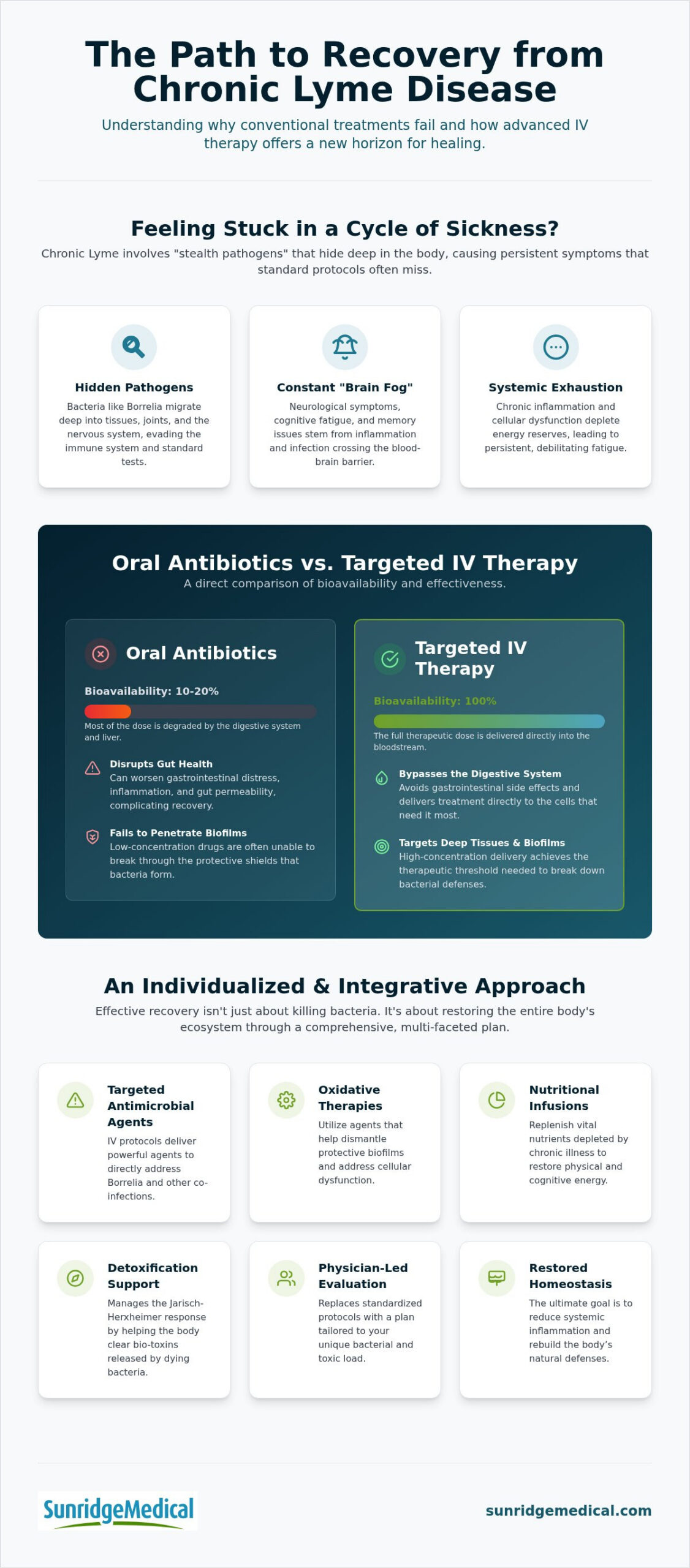
The current “Standard of Care” typically relies on a 21-day antibiotic cycle, which is often insufficient for late-stage disseminated disease. Oral medications face a rigorous journey through the digestive tract, where stomach acids and metabolic processes significantly degrade their potency. For patients already struggling with gastrointestinal distress, adding more oral compounds can exacerbate gut permeability and inflammation. It’s a frustrating cycle where the treatment can feel as taxing as the illness itself.
Additionally, Borrelia burgdorferi is known to form biofilms. These are protective shields that allow the bacteria to survive in a dormant state. Low-concentration oral drugs often fail to penetrate these barriers. This clinical gap is a central part of the broader Lyme disease controversy, as patients are frequently left without options when standard treatments don’t resolve their neurological or physical symptoms. Bypassing the gut isn’t just a matter of convenience; it’s a clinical necessity for reaching the “therapeutic threshold” required to impact these persistent colonies.
The Clinical Shift Toward Integrative IV Delivery
Integrative medicine bridges the gap between conventional research and advanced alternative delivery. It doesn’t just focus on the pathogen; it focuses on the patient’s entire biological terrain. At Sunridge Medical, we recognize that IV therapy for chronic lyme disease is a precision tool used to reach a therapeutic threshold that oral supplements simply can’t achieve. By delivering agents directly into circulation, we ensure 100% bioavailability.
Our lyme disease specialists evaluate the specific needs of each individual to determine the most effective combination of agents. The ultimate goal of this therapy isn’t just to kill bacteria. It’s to restore cellular homeostasis, reduce systemic inflammation, and rebuild the body’s natural defenses. This multi-faceted approach provides a clear path forward for those who’ve felt stuck in their recovery journey, offering a sophisticated alternative to the “one-size-fits-all” model.
The Science of Bioavailability: Why Intravenous Delivery Bypasses Chronic Obstacles
The primary challenge in treating persistent infections isn’t just finding the right agent; it’s ensuring that agent reaches the target. Oral supplements and medications are restricted by the “first-pass effect” in the liver and significant degradation within the stomach. Most patients only absorb between 10 and 20 percent of the nutrients or antimicrobials they ingest. In contrast, IV therapy for chronic lyme disease provides 100 percent bioavailability. This ensures that the full concentration of a protocol enters the bloodstream immediately, bypassing the digestive barriers that often hinder recovery.
Neurological symptoms, like the intense “brain fog” and cognitive fatigue many patients report, often stem from bacteria crossing the blood-brain barrier. To combat this effectively, the body requires a high-concentration delivery system that can achieve a specific therapeutic threshold. Even the CDC Lyme Disease Treatment Guidelines recognize that intravenous administration is the clinical standard for severe neurological involvement or carditis. By maintaining these high levels in the plasma, we can penetrate dense tissues and the central nervous system where pathogens often sequester themselves.
Beyond direct antimicrobial action, IV delivery supports mitochondrial function at the cellular level. Chronic infections drain cellular energy, leading to the profound exhaustion characteristic of the disease. By providing direct precursors for ATP production into the systemic circulation, we can help restore cellular energy without relying on a compromised gastrointestinal tract.
Addressing Biofilms and Tissue Penetration
Persistent Borrelia burgdorferi is a master of survival. It creates biofilms, which are dense, protective matrices that shield bacteria from the immune system and low-dose medications. Within these colonies, “persister cells” can remain dormant for long periods. Breaking this cycle requires a sustained, high-level concentration of therapeutic agents that oral delivery simply cannot maintain. In the context of persistent infections, bioavailability refers to the exact percentage of an administered therapeutic agent that reaches systemic circulation in an active state to target deep-tissue pathogens.
Customized Nutritional Infusions and Oxidative Agents
Recovery requires a multi-faceted approach. We utilize intravenous vitamin c to modulate the immune response and strengthen the body’s resistance against co-infections. Oxidative therapies, such as ozone or Ultraviolet Blood Irradiation (UVBI), are integrated to reduce the overall pathogen load and stimulate healthy oxygen metabolism. As these pathogens are neutralized, the body often releases neurotoxins that can worsen symptoms. To protect the nervous system, we incorporate glutathione and other potent antioxidants. This ensures that the “killing phase” of treatment is balanced with neuroprotection. If you’re ready to explore a more precise approach to healing, you can consult with our medical team to discuss a personalized recovery plan.
Comparing Clinical Protocols: Oral Antibiotics vs. Targeted IV Infusions
Choosing between oral antibiotics and IV therapy for chronic lyme disease isn’t just about preference; it’s a strategic decision based on pharmacokinetics. While oral medications are the standard for early-stage infections, they often lack the systemic impact required for disseminated cases. Oral compounds must survive the stomach’s acidic environment and pass through the intestinal wall, a process that frequently degrades the medicine before it ever reaches the bloodstream. In contrast, targeted IV infusions ensure rapid cellular uptake and immediate delivery to the tissues where pathogens reside.
One of the most significant differences lies in how these protocols affect the microbiome. Oral antibiotics are non-discriminatory, often decimating beneficial gut bacteria and leading to secondary issues like Candida overgrowth or intense gastrointestinal distress. By utilizing intravenous delivery, we can spare the gut while still achieving the high plasma concentrations necessary to address neurological symptoms like brain fog and neuropathy. This individualized approach stands in stark contrast to the one-size-fits-all pharmaceutical models that fail to account for a patient’s unique biological terrain.
The Gut-Immune Connection in Lyme Recovery
Many individuals with persistent Lyme suffer from significant dysbiosis or “leaky gut” that prevents them from absorbing oral nutrients effectively. This creates a paradox where the very treatment intended to heal the patient further compromises their immune system. We view integrative medicine for chronic illness as a way to break this cycle. IV therapy for chronic lyme disease provides a vital “rest period” for the GI tract. It allows the digestive system to heal and the immune system to stabilize while we deliver potent, bioavailable agents directly into circulation.
Precision Compounding for Co-infections
Lyme is rarely a solitary infection. Most patients also struggle with co-infections like Babesia or Bartonella, each of which has unique sensitivities and treatment requirements. A standardized pill cannot adapt to these complexities. Our protocols involve precision compounding, where infusions are customized and can be adjusted in real-time based on your clinical response. This level of care requires constant physician monitoring to ensure safety and efficacy. By fine-tuning the antimicrobial and supportive agents in every bag, we address the specific bacterial and toxic load of the individual rather than following a rigid, outdated manual.
Navigating the Healing Journey: Managing Bio-toxins and the Herxheimer Response
Healing from a persistent infection is rarely a linear path. As you begin IV therapy for chronic lyme disease, you’ll likely encounter the Jarisch-Herxheimer reaction. Often called a “herx,” this is a temporary worsening of symptoms that occurs when bacteria are destroyed at a rate faster than the body’s elimination systems can handle. While it’s a physiological indicator that the treatment is reaching its target, it must be managed with clinical precision to avoid unnecessary suffering.
A “killing-only” approach is often where conventional or aggressive alternative protocols fail. If the emunctories, the primary organs of elimination like the liver and kidneys, are already congested, dumping additional endotoxins into the bloodstream can cause systemic overwhelm. We prioritize a measured pace, integrating IV binders and liver-supportive agents to facilitate safe toxin clearance. This ensures the body isn’t just killing pathogens but effectively removing the debris they leave behind.
Clinical Strategies for Toxin Clearance
Effective detoxification requires more than just passive waiting. We utilize specific clinical strategies to support the lymphatic system and maintain cellular hydration during the recovery phase. IV glutathione plays a pivotal role here. It acts as a potent neutralizer for the neurotoxins released by dying spirochetes, protecting the nervous system from inflammatory damage.
To help you navigate this phase, we recommend a consistent monitoring process. Use this checklist to track your response to each infusion:
- Symptom Intensity: Note any temporary spikes in joint pain or fatigue.
- Cognitive Tracking: Record fluctuations in brain fog or mental clarity.
- Hydration Levels: Ensure your fluid intake matches the demands of toxin clearance.
- Elimination Patterns: Monitor the frequency and quality of digestive and skin health.
The Emotional and Neurological Transition
The release of neurotoxins often triggers profound emotional shifts. Many patients experience “Lyme Rage,” sudden depression, or intense anxiety as the brain responds to the chemical changes of detoxification. These aren’t personal failings; they’re biological events. Our team provides the compassionate, individualized care necessary to navigate these healing crises. Ongoing physician consultation allows us to adjust infusion frequency in real-time, ensuring your progress is steady without becoming overwhelming. If you’re ready to begin a protocol that respects your body’s limits while pushing for recovery, you can schedule a comprehensive evaluation today.
Individualized IV Protocols at Sunridge Medical: A Multi-Faceted Recovery Path
At Sunridge Medical, we recognize that recovery from long-term illness requires a departure from standardized medicine. Our approach to IV therapy for chronic lyme disease begins with a comprehensive, research-based physician evaluation. We don’t believe in “packaged” care. Instead, we analyze the specific viral, bacterial, and toxic load within your system to build a protocol that addresses your unique biological state. This methodology ensures that every infusion is a targeted strike against the pathogens and environmental stressors preventing your recovery. Our physicians prioritize a deep understanding of your clinical history to move beyond the status quo of symptom management.
We’ve designed our clinical environment to be a sanctuary. For many of our patients, the journey to our doors has been marked by medical gaslighting and the dismissal of their valid, debilitating symptoms. We offer a space of specialized attention and calm determination, where scientific expertise meets a deep understanding of the human experience. By integrating advanced intravenous delivery with other research-based alternative methodologies, we create a multi-faceted path toward cellular restoration. This holistic integration allows us to address co-infections and environmental toxicities that often complicate the recovery of the immune system.
Beyond Standard Care: The Sunridge Difference
Since our founding in 2003, we’ve focused on resolving complex chronic diseases that conventional systems often fail to address. Our legacy is built on treating conditions once labeled “untreatable” by identifying and resolving the root cause rather than merely suppressing symptoms. This commitment to clinical excellence has established Sunridge as a national leader in integrative cancer treatment by stage and the management of multifaceted chronic illnesses. We apply this same level of precision and depth to every Lyme recovery plan we develop, ensuring that no stone is left unturned in your path to wellness.
Initiating Your Personalized Treatment Plan
Navigating a complex health journey requires a steady hand and a clear strategy. For national patients, the process begins with a detailed consultation to review your medical history and current challenges. Our team is available to provide personalized support and answer your clinical questions through our toll-free line. This initial step is vital for establishing the foundation of your recovery. We invite you to contact Sunridge Medical to schedule your comprehensive physician evaluation and take the first step toward a restorative recovery.
Reclaiming Your Vitality Through Targeted Recovery
Chronic illness often feels like a series of closed doors, but advanced clinical protocols offer a way to reopen them. You’ve seen how IV therapy for chronic lyme disease overcomes the biological hurdles that stall recovery, from the limited absorption of oral compounds to the protective biofilms that shield persistent pathogens. By prioritizing high-concentration delivery and concurrent detoxification, we move beyond the standard of care to address the root causes of your symptoms.
Sunridge Medical brings over 20 years of clinical excellence to the treatment of complex chronic diseases. Our research-based medical directors design individualized protocols that utilize advanced delivery systems for superior cellular bioavailability. We don’t just treat an infection; we restore the individual. This methodical approach provides the precision and support necessary to navigate the complexities of long-term healing with confidence.
Your journey doesn’t have to be defined by a lack of progress or a feeling of being overlooked. It’s time to partner with a team that views your recovery as a dedicated mission. Schedule your comprehensive physician evaluation with Sunridge Medical today. We look forward to guiding you toward a more vibrant and healthy future.
Frequently Asked Questions
How long does a typical course of IV therapy for chronic Lyme disease last?
The duration of IV therapy for chronic lyme disease depends entirely on your unique physician evaluation and the complexity of your infection. Most protocols span several weeks to a few months. This timeframe ensures that we address the life cycle of the bacteria and penetrate deep-tissue reservoirs. Because we prioritize individualized care over standardized packages, your medical director will adjust the frequency of infusions based on your real-time response and recovery progress.
Is IV therapy more effective than oral antibiotics for neurological Lyme symptoms?
Intravenous delivery is often superior for neurological symptoms because it achieves the therapeutic threshold required to cross the blood-brain barrier. Oral antibiotics frequently fail to reach the central nervous system in concentrations high enough to eliminate spirochetes. By delivering antimicrobial and oxidative agents directly into the bloodstream, we can target the root cause of brain fog and neuropathy. This direct access provides a level of precision that traditional oral protocols simply cannot match.
What are the most common side effects of intravenous Lyme protocols?
Common side effects include temporary fatigue, site irritation, or a Herxheimer reaction as the body processes neutralized pathogens. You might also experience mild fluctuations in your energy levels or cognitive clarity during the initial phase of treatment. These responses are typically manageable and indicate that the protocol is effectively reaching the target tissues. Our clinical team monitors your progress closely to ensure that any discomfort is minimized through supportive detoxification and nutritional infusions.
Can IV therapy help if I have already finished a standard course of antibiotics?
Yes, many of our patients seek integrative care after failing to find relief through standard 21-day antibiotic courses. These conventional protocols often miss “persister cells” or bacteria hidden within biofilms. Our approach utilizes advanced delivery systems to reach these disseminated pathogens. By bypassing the digestive tract, we can deliver higher concentrations of therapeutic agents that address the infection while supporting your cellular health and immune function after standard care has fallen short.
Will my health insurance cover the costs of integrative IV treatments?
Sunridge Medical does not offer standard health insurance billing for our integrative protocols. While 2026 policy updates have shifted some Medicare coverage toward chronic management, most private insurers still follow restrictive guidelines that limit coverage for long-term intravenous care. We focus on providing a level of specialized attention and customization that is often incompatible with the standardized requirements of insurance providers. Patients typically view our treatments as an out-of-pocket investment in their long-term well-being.
What is a Herxheimer reaction, and how is it managed during IV therapy?
A Herxheimer reaction is a temporary spike in symptoms caused by the release of endotoxins as bacteria die off. It’s a common part of the healing journey when using IV therapy for chronic lyme disease. We manage this response by integrating potent antioxidants like glutathione and specialized IV binders into your protocol. These agents neutralize neurotoxins and support your liver and kidneys. This measured approach ensures your organs of elimination aren’t overwhelmed during the killing phase.
How do I know if I am a candidate for individualized IV infusions?
You may be a candidate if you suffer from persistent neurological symptoms, severe fatigue, or failure to respond to conventional oral antibiotics. A candidacy determination begins with a comprehensive physician evaluation to assess your bacterial, viral, and toxic load. We look for individuals who require a more sophisticated, multi-faceted approach than standard care provides. If your quality of life is compromised by chronic symptoms, an individualized intravenous protocol might be the necessary path forward.
Does Sunridge Medical provide support for out-of-state patients traveling for treatment?
We provide dedicated support for national patients traveling to receive our specialized care. Our team understands the logistical challenges of seeking treatment far from home and offers guidance to ensure your stay is as stress-free as possible. From the initial consultation to the coordination of your daily infusions, we act as a steady hand. We’ve designed our clinical environment to be a sanctuary where out-of-state patients feel fully supported during their recovery journey.