


What if the most effective way to complete your chemotherapy cycle wasn’t just found in the oncology suite, but in the precision of cellular optimization? For many, the true challenge of cancer treatment isn’t the diagnosis itself, but the debilitating fatigue and chronic nausea that resist standard anti-emetics. You deserve a strategy that does more than just help you survive the process. By managing chemotherapy side effects naturally, you can actively support your body’s resilience and protect against long-term concerns like peripheral neuropathy or cognitive decline.
We understand that you may feel overlooked by traditional systems that prioritize the protocol over the person. This article promises to reveal research-based integrative protocols designed to mitigate toxicity while maintaining your quality of life. We’ll examine the clinical landscape of 2026, including how the federal Dietary Supplement Regulatory Uniformity Act impacts your access to science-based standards. You’ll discover how specialized IV therapies and targeted nutritional interventions create a sanctuary for your healthy cells, ensuring you recover faster and remain strong throughout your journey.
Key Takeaways
- Understand the biological “collateral damage” chemotherapy causes to healthy tissues and why a systemic approach is required for cellular protection.
- Learn why specialized IV protocols are essential for managing chemotherapy side effects naturally when oral supplementation fails due to treatment-induced malabsorption.
- Discover research-based interventions for mitigating the risk of permanent peripheral neuropathy and addressing the cognitive decline known as chemo brain.
- Explore how oxidative therapies and targeted detoxification support the liver and kidneys to help your body recover more efficiently between treatment cycles.
- Identify the importance of a physician-led, individualized support plan that bridges the gap between conventional oncology and advanced integrative medicine.
The Biological Mechanism: Why Chemotherapy Causes Side Effects
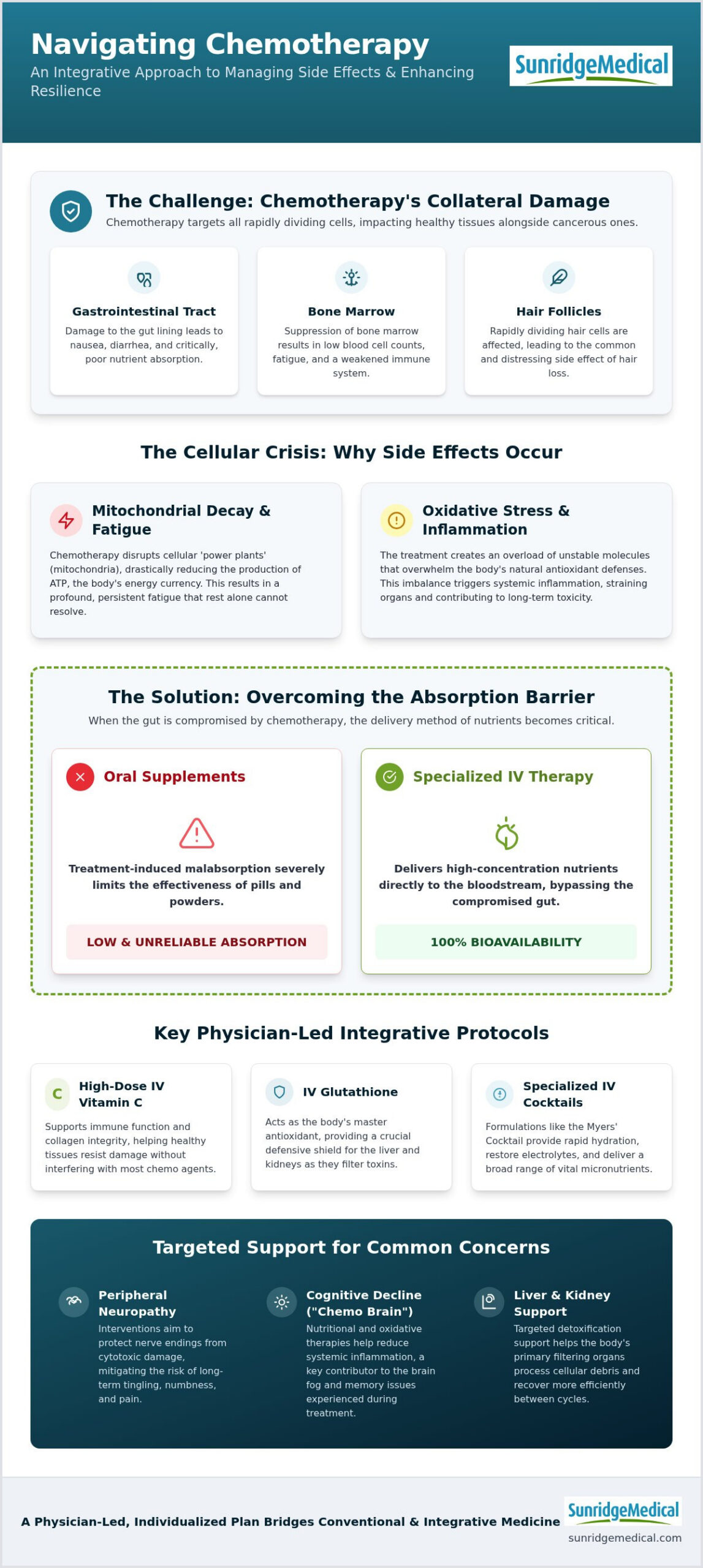
Chemotherapy is a systemic cytotoxic intervention designed to eradicate malignancy by interrupting the cell cycle. While its primary target is the tumor, its reach is indiscriminate. It seeks out rapidly dividing cells throughout the entire body. This is The Biological Mechanism of Chemotherapy; the treatment effectively trades short-term toxicity for the possibility of long-term survival. However, this process inflicts significant collateral damage on healthy tissues with high turnover rates, specifically the gastrointestinal mucosa, bone marrow, and hair follicles.
Sunridge Medical focuses on these underlying pathways as the foundation for managing chemotherapy side effects naturally. When the body faces this level of systemic strain, the liver and kidneys often struggle to process the influx of cellular debris and chemical metabolites. This leads to a state of chronic inflammation that many patients experience as a total loss of vitality. By addressing the root cause of this damage, it’s possible to support the body’s innate ability to heal during aggressive treatment cycles.
Mitochondrial Decay and the Root of Cancer Fatigue
Cancer-related fatigue is not a simple state of being tired. It is a profound energy crisis at the cellular level. Chemotherapy agents often penetrate the mitochondria, the power plants of your cells, and disrupt the production of adenosine triphosphate (ATP). When ATP levels plummet, your body loses the fuel required for basic biological maintenance. Research suggests that supporting these pathways with specific nutrients like CoQ10 and L-carnitine can help restore mitochondrial health. This targeted approach offers a clear, structured path forward for those who feel standard recovery methods have failed them.
Oxidative Stress and Cellular Integrity
The very mechanism that kills cancer cells, which is oxidative damage, also threatens healthy tissue. Chemotherapy acts as a potent pro-oxidant, creating an environment where unstable molecules overwhelm the body’s natural antioxidant defenses. This imbalance can trigger “cytokine storms,” which are aggressive bursts of systemic inflammation that contribute to organ strain and long-term toxicity. Oxidative stress in the context of cytotoxic therapy is the biochemical imbalance where reactive oxygen species exceed the body’s ability to neutralize them, leading to cellular degradation. By managing chemotherapy side effects naturally, we aim to stabilize this internal environment and protect the integrity of healthy systems through precise, research-based interventions.
Advanced Nutritional and IV Protocols for Cellular Resilience
Managing chemotherapy side effects naturally requires a shift from passive supplementation to active clinical intervention. Many patients find that standard oral vitamins are simply insufficient during active treatment. When chemotherapy damages the delicate lining of the gastrointestinal tract, the body’s ability to absorb essential micronutrients is severely compromised. This creates a state of functional malnutrition. Clinical IV protocols solve this by bypassing the digestive system entirely, delivering high concentrations of nutrients directly into the bloodstream where they can be utilized immediately by struggling cells.
High-dose Intravenous Vitamin C is a cornerstone of this approach. It supports immune function and collagen integrity without interfering with the cytotoxic goals of most chemotherapy agents. Similarly, Glutathione acts as the master antioxidant. It provides a defensive shield for the liver and kidneys as they work to filter systemic toxins. The 2026 landscape of supplement regulation, influenced by the Dietary Supplement Regulatory Uniformity Act, reinforces the importance of using clinical-grade, physician-verified nutrients rather than over-the-counter options that may lack potency or purity.
The Role of Specialized IV Therapy
IV infusions provide 100% bioavailability, ensuring that your body receives the full therapeutic dose of every micronutrient. Variants of the “Myer’s Cocktail” are frequently used to provide rapid hydration and restore electrolytes lost through nausea or diarrhea. Our clinical approach to these infusions follows the same rigorous standards found in our IV therapy for autoimmune disease protocols. This level of precision is why we emphasize Alternative Cancer Treatment Protocols that are physician-led and data-driven. These infusions act as a bridge, helping patients maintain the physical strength necessary to complete their full course of conventional treatment.
Targeted Nutritional Support for Bone Marrow Protection
Protecting the bone marrow is essential for preventing treatment delays caused by low blood counts. Specific nutrients, including folate, B12, and specialized amino acids, support the production of white and red blood cells. Maintaining lean muscle mass and preventing cachexia is another critical goal of Integrative Medicine for Side Effects. A clinical nutritional framework focuses on:
- Amino Acid Profiles: Essential for tissue repair and preventing muscle wasting.
- Trace Minerals: Zinc and selenium to support enzymatic reactions and immune signaling.
- Electrolyte Balance: Magnesium and potassium to prevent cramping and support cardiac function.
By prioritizing these high-impact nutrients through a personalized plan, we help you build a foundation of resilience that protects your long-term well-being.
Natural Strategies for Nausea, Neuropathy, and Chemo Brain
The most distressing aspects of treatment often extend beyond the clinic, manifesting as persistent sensory changes or cognitive fog. Managing chemotherapy side effects naturally requires a targeted approach to the nervous system and the gastrointestinal tract. While conventional medicine focuses on the immediate suppression of symptoms, an integrative approach seeks to protect the underlying biological structures from permanent damage. This is particularly vital when addressing peripheral neuropathy, a condition where the long-term risk of nerve degradation can persist for years after the final cycle.
Nerves require specific fuel and a stable environment to maintain their integrity. By utilizing a multi-modal strategy that addresses both the physical damage to nerve fibers and the biochemical environment of the gut, we can significantly reduce the severity of treatment-induced toxicity. This focus on neuroprotection ensures that the path to recovery remains clear and steady.
Preventing and Reversing Peripheral Neuropathy
Peripheral neuropathy is often the primary reason patients must pause or reduce their treatment. To mitigate this risk, we implement a structured three-step protocol:
- Step 1: Nerve Fiber Protection. Alpha-Lipoic Acid (ALA) is a potent antioxidant that crosses the blood-nerve barrier to neutralize the oxidative stress that causes nerve death.
- Step 2: Formulated Neurological Support. B-complex vitamins, specifically in their methylated forms, provide the essential building blocks for myelin sheath repair.
- Step 3: Physical Stimulation. Acupuncture and low-level laser therapy act as mechanical catalysts, improving local circulation and stimulating the regenerative capacity of damaged nerve endings.
These methods move beyond simple symptom management to address the structural health of your nervous system.
Managing Nausea and Digestive Integrity
Chemotherapy-induced nausea and vomiting (CINV) affects up to 80% of patients, often resisting standard anti-emetics. A multi-faceted approach is essential for maintaining your ability to take in nutrition. Therapeutic-grade peppermint and ginger oils provide immediate, non-invasive relief by calming the vagus nerve. Simultaneously, we focus on protecting the intestinal lining from mucositis using L-glutamine and high-potency probiotics. Integrative nausea management is not merely a comfort measure; it is a clinical necessity for maintaining the nutritional status required for healing.
Neuroprotection and the Gut-Brain Axis
The phenomenon known as “Chemo Brain” is often a result of systemic inflammation affecting the central nervous system. Natural neuroprotective agents like Alpha-GPC and Lion’s Mane mushroom support acetylcholine levels and nerve growth factor, helping to clear cognitive fog. Maintaining the gut-brain axis is critical here; a healthy microbiome regulates the neurotransmitters that dictate your mood and mental clarity. By managing chemotherapy side effects naturally through this comprehensive lens, we help you preserve your cognitive identity throughout the treatment journey.
Maintaining one’s identity also involves addressing physical changes; for example, Advanced PMU provides specialized aesthetic services that help individuals restore their appearance and confidence after treatment-related hair loss.
The Role of Detoxification and Oxidative Therapies
The metabolic burden of cytotoxic treatment often exceeds the body’s natural filtration capacity. When managing chemotherapy side effects naturally, we must prioritize the elimination of chemical residues that linger in the tissues. The liver and kidneys act as the primary defense against systemic toxicity. Without clinical support, these organs can become overwhelmed, leading to secondary complications and prolonged recovery times. A structured detoxification protocol ensures that these vital systems remain functional and resilient throughout each treatment cycle.
Precision is the hallmark of effective detoxification. It’s not about generic cleanses, but about supporting the specific biochemical pathways that process and excrete chemotherapy metabolites. By reducing the internal toxic load, we help the body shift from a state of emergency maintenance to one of active repair. This transition is essential for patients who want to avoid the cumulative exhaustion that often characterizes the later stages of cancer treatment.
Liver and Kidney Support Protocols
Milk Thistle (Silybum marianum) is a cornerstone of hepatoprotection. It stabilizes hepatic cell membranes and stimulates protein synthesis, which is necessary for tissue repair. For renal protection, N-Acetyl Cysteine (NAC) provides the essential precursors for glutathione, effectively shielding the kidneys during high-toxicity cycles. This level of organ-specific care is a key component of our Alternative Health Medicine: A Clinical Path for Recovery. These interventions ensure that your body possesses the raw materials required to neutralize and flush aggressive chemical agents.
Oxidative Balance and Recovery
Controlled oxidative therapies, such as Ozone therapy, serve a unique purpose in the recovery process. These treatments improve tissue oxygenation and stimulate the body’s endogenous antioxidant response. This approach is fundamentally different from standard “detox” trends seen in the wellness industry. The timing of these therapies is critical; they are administered between cycles to ensure they don’t interfere with the chemotherapy’s intended “kill” phase. This careful scheduling supports the patient’s vitality without compromising the treatment’s efficacy. If you are ready to implement a professional detoxification protocol, consider our Alternative Cancer Treatment Protocols to guide your recovery.
Lymphatic Drainage and Metabolite Clearance
Medical-grade infrared saunas offer a non-invasive way to support lymphatic drainage and the excretion of metabolites through the skin. This process must be paired with precise hydration strategies to be effective. Simply drinking water is often insufficient when the goal is to flush cytotoxic metabolites. We utilize structured hydration protocols to ensure that fluid reaches the cellular level, facilitating the removal of waste products and reducing systemic inflammation. This comprehensive approach to managing chemotherapy side effects naturally addresses the environmental strain on your body, allowing you to maintain a higher quality of life during your journey.
Developing an Individualized Integrative Support Plan
Every patient carries a unique biological blueprint, meaning the physiological impact of cytotoxic drugs varies significantly from person to person. While one individual may experience profound cognitive fog, another might face debilitating peripheral neuropathy. Managing chemotherapy side effects naturally requires a departure from standardized care in favor of a highly targeted, multi-faceted strategy. This individualized approach ensures that the support you receive is as specific as your diagnosis itself, providing a clear path forward when you feel stuck or overlooked by conventional systems.
Precision in care is not just about addressing symptoms; it’s about understanding the underlying mechanisms of your specific treatment cycle. By identifying which biological pathways are under the most strain, we can deploy resources where they are needed most. This proactive stance helps maintain the continuity of your treatment while protecting your long-term vitality. We act as a steady hand, guiding you through the complexities of integrative care with clinical authority and a focus on your specific human experience.
Coordination with Conventional Oncology
Bridging the gap between conventional oncology and integrative medicine is essential for both safety and clinical efficacy. It’s vital to maintain open communication with your primary oncology team to ensure that natural protocols don’t interfere with the intended cytotoxic goals of your treatment. We utilize lab-guided supplementation to monitor your internal chemistry, ensuring every intervention is backed by real-time data. For more detailed insights on how these strategies shift according to your specific diagnosis, refer to our Integrative Cancer Treatment by Stage guide. This coordination ensures that your natural support works in harmony with your medical protocol, not against it.
The Sunridge Approach to Side Effect Management
At Sunridge Medical, our process begins with an advanced diagnostic assessment that looks far beyond surface-level symptoms. We examine mitochondrial function, inflammatory markers, and nutritional deficiencies to build a protocol that serves as a sanctuary for your healthy cells. Quality of life is our primary clinical metric; we believe progress is measured by your ability to remain active and engaged in your daily life. By managing chemotherapy side effects naturally through this rigorous, physician-led lens, we offer a level of specialized attention that goes beyond the ordinary.
Before your next consultation, prepare the following information to ensure a comprehensive review of your needs:
- A detailed list of current chemotherapy drugs and your upcoming cycle schedule.
- A severity log of your most persistent side effects, such as fatigue, nausea, or sensory changes.
- Copies of your most recent blood work, including CBC and metabolic panels.
- A summary of your current dietary intake and any over-the-counter supplements you’re currently taking.
Contact Sunridge Medical to develop your personalized support plan.
Reclaiming Your Vitality Through Integrative Precision
The journey through cancer treatment doesn’t have to be defined by debilitating toxicity. By prioritizing cellular resilience and utilizing advanced IV protocols, you can protect your healthy tissues while the treatment targets the malignancy. Managing chemotherapy side effects naturally is a clinical objective that requires precise, research-based interventions rather than generic wellness trends. From restoring mitochondrial function to preventing permanent nerve damage, the focus remains on maintaining your quality of life during every stage of recovery.
Sunridge Medical has spent over 20 years developing advanced alternative medicine protocols for complex and stage 4 cancer cases. Our physician-led individualized care plans act as a sanctuary for those seeking a more comprehensive path forward. You don’t have to navigate these challenges without a scientific guide. We invite you to Schedule a Consultation for Individualized Integrative Cancer Support and discover how our specialized methodologies can support your restoration. Your well-being is a possibility we pursue with calm determination and clinical expertise. You have the strength to thrive through this process.
Frequently Asked Questions
Can I take natural supplements while I am actively receiving chemotherapy?
Yes, but only under strict physician supervision to avoid potential contraindications. Many patients find that managing chemotherapy side effects naturally requires specific micronutrients that support cellular health without shielding the tumor. It’s essential to use lab-guided protocols to ensure that supplements don’t interfere with the oxidative “kill” phase of certain cytotoxic drugs. This precision ensures your body remains resilient while the treatment remains effective against the malignancy.
What is the best natural remedy for chemotherapy-induced nausea?
Therapeutic-grade ginger and peppermint oils are highly effective for immediate relief. Beyond these, clinical research supports the use of acupuncture and high-potency probiotics to stabilize the gut-brain axis. These interventions help manage the systemic inflammation that often triggers chronic nausea, providing a multi-modal alternative to standard anti-emetics. By addressing the mucosal lining of the stomach, we can mitigate the root cause of digestive distress during active treatment cycles.
How can I prevent peripheral neuropathy from becoming permanent?
Prevention centers on neuroprotection using Alpha-Lipoic Acid (ALA) and methylated B-vitamins. These agents help maintain the myelin sheath and protect nerve fibers from oxidative degradation. Early intervention with low-level laser therapy also improves microcirculation to the extremities. Addressing these symptoms at the first sign of tingling is the most reliable way to prevent long-term sensory loss, ensuring that nerve damage doesn’t become a permanent obstacle to your recovery.
Does fasting before chemotherapy really help reduce side effects?
Short-term fasting or fasting-mimicking diets can potentially shield healthy cells from chemotherapy toxicity. This metabolic shift, known as differential stress resistance, encourages healthy cells to enter a protected, dormant state while leaving cancer cells vulnerable. However, this strategy must be customized based on your body mass index and specific cancer stage to avoid the risk of muscle wasting. It’s a powerful tool for managing chemotherapy side effects naturally when implemented by a specialist.
Will natural therapies make my chemotherapy less effective?
Not when they are administered by an integrative specialist who understands complex drug-nutrient interactions. The goal is to support your body’s biology, not to inhibit the medication’s cytotoxic action. Precise timing and dosage ensure that therapies like IV Vitamin C or glutathione enhance your resilience without providing a defensive barrier for the malignancy itself. This coordinated approach allows you to finish your full treatment course with fewer interruptions and better outcomes.
How soon after chemotherapy can I start a detoxification protocol?
Detoxification typically begins 48 to 72 hours after a treatment cycle concludes. This window allows the chemotherapy to complete its primary systemic action before we begin flushing the remaining metabolites. We utilize specific binders and liver support agents to accelerate the clearance of chemical residues. This helps reduce the cumulative fatigue that often builds between treatment rounds, allowing your organs to recover their filtration capacity before the next cycle begins.
What foods should I avoid to minimize chemo-induced inflammation?
You should eliminate highly processed sugars, refined grains, and industrial seed oils, as these are primary drivers of systemic inflammation. These foods can exacerbate the “cytokine storms” triggered by cytotoxic treatment, leading to increased pain and fatigue. Instead, focus on a nutrient-dense diet rich in phytonutrients and clean proteins. This dietary shift supports tissue repair and maintains the integrity of the gastrointestinal mucosa, which is often under heavy strain during treatment.
Can IV Vitamin C be used alongside standard chemotherapy?
Yes, high-dose Intravenous Vitamin C is frequently used as a supportive therapy in integrative oncology. At specific concentrations, it acts as a pro-oxidant against cancer cells while serving as an antioxidant for healthy tissue. This dual-action protocol helps mitigate systemic toxicity and supports immune function. It must be scheduled correctly to avoid direct interference with certain chemotherapy agents, making physician-led coordination a vital component of its successful application during your treatment journey.