


If a diagnosis is described as slow-growing, why does the standard clinical response often feel like an aggressive, one-size-fits-all race against time? You aren’t alone if you feel frustrated by a system that prioritizes standardized packaging over the nuances of your specific condition. Many patients face a difficult internal conflict, balancing the fear of long-term side effects from hormone-blocking drugs against the need for effective treatments for neuroendocrine tumours.
This 2026 guide offers a path toward clarity, detailing a full spectrum of care that moves beyond basic surgical standards into the realm of advanced integrative oncology. You’ll discover how specialized protocols can target the underlying biological terrain and significantly reduce the burden of symptoms from hormone-secreting tumours. We’ll outline a sophisticated, multi-faceted approach that honors your individual experience while pursuing the restoration of your health with calm determination.
Key Takeaways
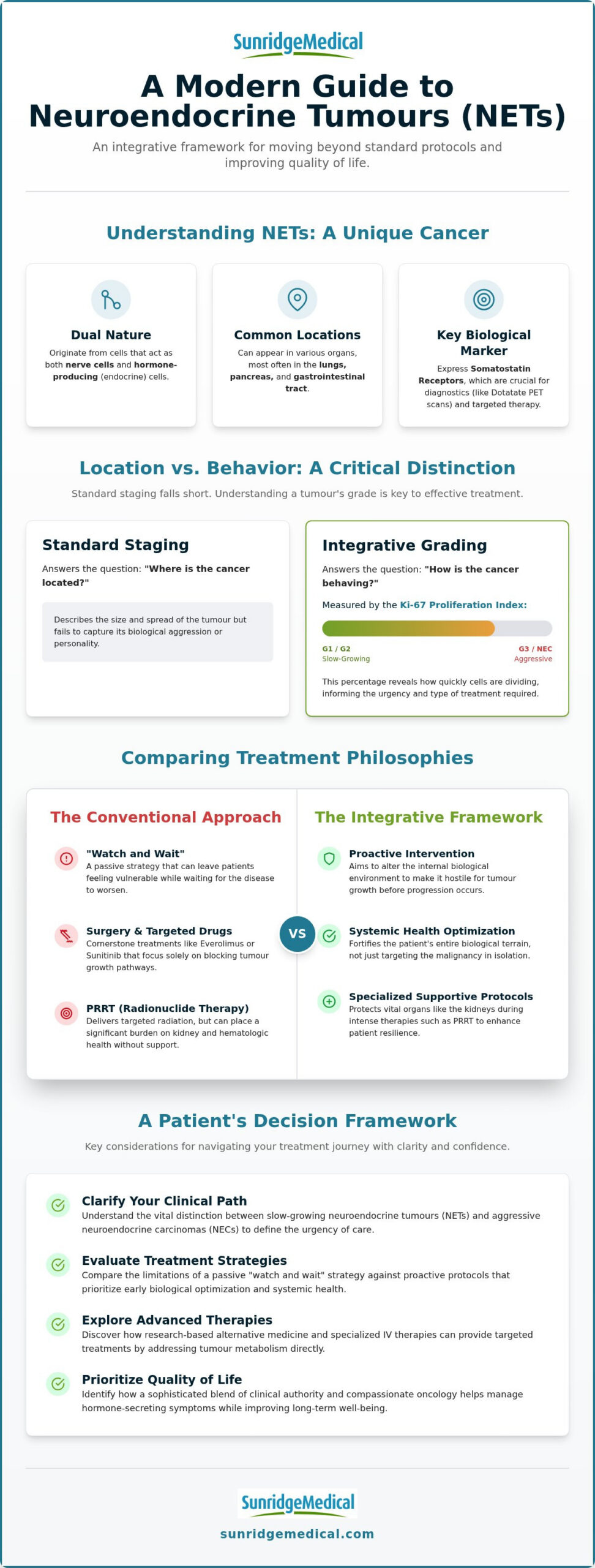
- Understand the vital distinction between slow-growing neuroendocrine tumours and aggressive carcinomas to clarify your clinical path and urgency of care.
- Evaluate the limitations of a “watch and wait” strategy compared to proactive protocols that prioritize early biological optimization and systemic health.
- Discover how research-based alternative medicine and specialized IV therapies provide targeted treatments for neuroendocrine tumours by addressing tumour metabolism directly.
- Learn a specific framework for evaluating medical centers based on their commitment to precision medicine and truly individualized physician evaluations.
- Identify how a sophisticated blend of clinical authority and compassionate oncology helps you manage hormone-secreting symptoms while improving your long-term quality of life.
Understanding Neuroendocrine Tumours (NETs) and Conventional Staging
Neuroendocrine tumours (NETs) represent a unique class of cancers that originate in specialized cells throughout the body. These cells possess a dual nature, functioning as both nerve cells and endocrine (hormone-producing) cells. Because these tumours can appear in various organs, including the lungs, pancreas, and gastrointestinal tract, they often present a complex diagnostic puzzle. A central feature of neuroendocrine tumours is their expression of somatostatin receptors, which act as biological docking stations for specific proteins and imaging agents. This characteristic is fundamental to how we identify and monitor the disease.
Standard diagnostics typically begin with Dotatate PET scans, which utilize the tumour’s affinity for somatostatin to illuminate even small lesions. This is followed by a biopsy and an analysis of specific hormone markers in the blood or urine. Understanding these markers is essential when considering various treatments for neuroendocrine tumours, as they dictate the systemic impact of the disease. It’s not enough to simply find the mass; we must understand its functional personality.
The Limitations of Standard Tumor Staging
Standard staging describes where the cancer is located, but it often fails to capture how the cancer is actually behaving. We look beyond the size of a lesion to its grade, determined by the Ki-67 proliferation index. This percentage tells us how quickly the cells are dividing. A G1 or G2 tumour is typically slow-growing, while a G3 neuroendocrine carcinoma (NEC) is much more aggressive and requires a fundamentally different therapeutic strategy. Biological markers and metabolic activity provide the depth of insight needed for a truly individualized care plan, ensuring that the intervention matches the biological urgency.
Hormonal Syndromes and Symptom Management
Many patients struggle with the systemic effects of hormone secretion, most notably Carcinoid Syndrome. This condition causes debilitating symptoms like flushing, diarrhea, and heart palpitations that can severely diminish your quality of life. While the standard use of somatostatin analogues (SSAs) can effectively suppress these secretions and provide localized symptom control, this is only one component of a comprehensive recovery plan. Integrating advanced alternative protocols alongside conventional treatments for neuroendocrine tumours ensures that both the tumour and the patient’s overall health are addressed. True progress requires addressing the biological terrain that allows these tumours to thrive, moving beyond mere suppression toward systemic optimization.
Integrative Oncology vs. Standard Treatments for Neuroendocrine Tumours
Many clinical teams suggest a “watch and wait” approach for indolent NETs. While this strategy aims to avoid unnecessary intervention, it can leave patients feeling vulnerable and overlooked by a system that seems to be waiting for the disease to worsen before acting. Proactive integrative intervention seeks to alter the internal biological environment before progression occurs. Surgery remains a primary cornerstone, utilized either with curative intent or for “debulking” to reduce the hormone-producing mass and alleviate secretory symptoms. Beyond surgery, the standard treatments for neuroendocrine tumours typically involve targeted pharmaceuticals like Everolimus or Sunitinib. These drugs focus on blocking specific pathways, such as mTOR or tyrosine kinase, which allow tumours to grow and establish the blood supplies they need to survive.
Our methodology uses these conventional tools as components of a broader, more precise framework. We don’t just target the malignancy; we simultaneously fortify the patient’s biological terrain. Integrative oncology is the strategic union of conventional cell-targeting and alternative systemic support. By merging these disciplines, we address the cancer while ensuring the body remains a hostile environment for tumour development.
The Role of Peptide Receptor Radionuclide Therapy (PRRT)
PRRT delivers targeted radiation directly to somatostatin-positive cells, providing a high-impact option for metastatic disease that was once difficult to manage. However, the intensity of radionuclide therapy can place a significant burden on renal and hematologic health. We focus on specialized supportive protocols designed to enhance patient resilience during this process. Protecting kidney function through specific hydration and amino acid strategies, while maintaining healthy blood counts, is essential for ensuring that the body can tolerate and benefit from these advanced treatments for neuroendocrine tumours. Without this support, the risk of long-term damage to the kidneys or bone marrow becomes a serious concern for many patients.
Why a Multi-Faceted Methodology Outperforms Standardized Care
The shift from “packaged” treatments to individualized physician evaluations is what defines a superior clinical outcome. Standardized care often overlooks the underlying drivers of tumour growth, such as chronic inflammation, oxidative stress, and immune dysfunction. We believe in a deep diagnostic dive to identify these systemic weaknesses that allow cancer to persist. This level of customization ensures that every protocol is tailored to the patient’s unique metabolic and genetic profile. If you’re ready to move beyond the status quo and seek a more comprehensive path, you can learn more about our specialized oncology evaluations.
Advanced Alternative Medicine and Targeted IV Protocols
Advanced alternative medicine seeks to disrupt the specific metabolic pathways that neuroendocrine tumours exploit for survival. While conventional drugs target receptors, research-based alternative cancer treatment protocols focus on the cellular fuel sources and environmental conditions that facilitate growth. We utilize specialized IV therapies as a primary delivery method to ensure maximum bioavailability. This is particularly crucial for patients with gastrointestinal NETs who may suffer from malabsorption or digestive distress. By bypassing the digestive tract, we deliver high concentrations of targeted compounds directly into the bloodstream, supporting systemic health without putting additional strain on the gut.
Oxidative therapies represent another layer of this multi-faceted methodology. These treatments for neuroendocrine tumours work by modulating the internal cellular environment, potentially making it less hospitable to malignant cells while simultaneously supporting healthy tissue. When combined with nutritional infusions, these protocols help maintain cellular integrity and energy production. This dual-track approach ensures that while we’re addressing the pathology, we’re also actively rebuilding the patient’s physical resilience. Many NET patients also report cognitive difficulties during treatment, and IV therapy for brain fog can be an important component of restoring mental clarity alongside physical recovery.
Individualized Physician Evaluations and Diagnostic Depth
True precision begins with an evaluation that looks far beyond standard blood counts or tumour markers. We focus on the biological terrain, which includes assessing the patient’s toxic burden, inflammatory status, and environmental exposures. Identifying these underlying factors is essential because they can act as silent drivers for tumour progression. Our physicians conduct deep diagnostic dives to uncover these hidden variables. This allows us to adjust protocols in real-time based on how the body is responding, ensuring the treatment remains as dynamic as the disease itself.
Biological Treatments and Immune System Optimization
Biological treatments focus on the body’s innate capacity for defense and repair, offering a stark contrast to the destructive mechanism of traditional chemotherapy. Instead of simply killing cells, these protocols aim to strengthen the immune system’s ability to recognize and respond to abnormal growth. This is a critical component of our Alternative Cancer Treatment framework. By optimizing the immune response, we help the body regain its natural regulatory functions. This systemic focus is often the missing piece in conventional treatments for neuroendocrine tumours, providing a more sustainable path toward long-term well-being.
Navigating Your Treatment Journey: A Patient’s Decision Framework
Deciding on a path forward after a diagnosis requires more than just a list of clinical options. It demands a framework that prioritizes your quality of life alongside clinical outcomes. When consulting with your oncology team, ask specific questions that go beyond the immediate next steps. You should know how proposed protocols will impact your daily vitality and whether the chosen treatments for neuroendocrine tumours are being tailored to your unique biological markers. If the answers feel generic or suggest a one-size-fits-all approach, it’s likely time to seek a scientific guide who can offer a more nuanced perspective.
Evaluating a medical center involves looking for a deep commitment to individualized care plans. A specialized outpatient clinic often provides a level of focus that’s difficult to find in large, high-volume hospital systems. In these specialized settings, the emphasis is on precision and metabolic support rather than just managing a diagnosis. This environment acts as a steady hand, guiding you through the complexities of your journey without the impersonal nature of standard inpatient hospitalization. You deserve a partner who views your recovery through a comprehensive lens, ensuring no detail of your systemic health is overlooked.
Evaluating the Risks and Benefits of Each Modality
A common struggle for patients is balancing the urgent need for tumour reduction with the necessity of maintaining systemic health. While aggressive interventions might offer quick results, they can sometimes leave the body’s natural defenses depleted. This is why many individuals seek second opinions from integrative medical centers. Integrating alternative protocols safely with standard oncology isn’t just possible; it’s often the key to a more resilient recovery. We focus on ensuring that every intervention supports your overall well-being, reducing the risk of long-term side effects while maximizing the efficacy of your care.
The Importance of Compassionate Optimism in Recovery
The clinical environment plays a vital role in your emotional state and your body’s ability to heal. A sanctuary that offers high-level expertise within a welcoming atmosphere can transform the patient experience from one of fear to one of calm determination. The Sunridge standard is a sophisticated blend of clinical authority and dedicated patient advocacy. We believe that professional gravity must be balanced with a hopeful undertone to foster true progress. If you’re ready to explore a more personalized approach to your care, contact our team for a comprehensive physician evaluation to begin your journey toward recovery.
The Sunridge Approach: Advanced Integrative Care for NET Patients
Sunridge Medical has been a pioneering force in advanced integrative care since 2003. With over 20 years of experience managing complex chronic diseases, we’ve developed a reputation for clinical excellence and reliability. Unlike standard models that offer a fixed menu of options, our methodology relies on deep, individualized physician evaluations. We understand that effective treatments for neuroendocrine tumours must account for the patient’s unique metabolic profile and biological terrain. This commitment to precision allows us to serve patients nationally, providing specialized outpatient consultations that bridge the gap between conventional oncology and research-based alternative medicine.
Customized IV and Injection Therapy Protocols
Our clinical application of specialized IV and injection therapy protocols is designed to restore well-being by targeting the specific needs of the individual. We utilize biological treatments and nutritional infusions that bypass the digestive tract, ensuring that the body receives the necessary support to thrive during recovery. These protocols aren’t just supportive; they’re integral to a multi-faceted methodology that seeks to stabilize the internal environment. Additionally, we integrate hormone optimization therapy to address the endocrine imbalances often associated with these conditions. By optimizing the hormonal landscape, we help patients manage symptoms more effectively while pursuing long-term progress and systemic health.
Your Path Forward: Consult with a NET Specialist
Navigating a diagnosis like this requires a scientific guide who can offer both technical depth and dedicated patient advocacy. When you contact our center via our toll-free 1-800 number, you’ll find a team ready to provide specialized support as you evaluate various treatments for neuroendocrine tumours. A comprehensive medical evaluation at Sunridge involves a thorough review of your history, current status, and metabolic markers to build a structured path forward. We believe that progress is always possible when you have the right ally by your side. If you’re ready to move beyond standardized care and explore a more comprehensive lens, contact Sunridge Medical to discuss your individualized NET treatment plan.
Empowering Your Path Toward Systemic Recovery
Navigating a diagnosis requires moving beyond the limitations of “watch and wait” to embrace a proactive, multi-faceted methodology. We’ve explored how a strategic union of conventional precision and advanced alternative medicine can address the underlying drivers of tumour growth. By prioritizing your biological terrain and utilizing customized IV protocols, you can manage symptoms and fortify your immune system simultaneously. Finding the most effective treatments for neuroendocrine tumours means seeking a scientific guide who views your health through an individualized lens rather than a standardized package.
Sunridge Medical has provided this level of specialized attention since 2003, offering advanced alternative protocols for Stage 4 cancer to patients across the country. Our national reach ensures that you have access to personalized support and expert clinical authority, regardless of your location. You deserve a partner who is dedicated to your progress and the restoration of your vitality. Schedule your comprehensive physician evaluation at Sunridge Medical today. Take the first step toward a treatment plan that honors your unique journey with calm determination and clinical expertise. Your well-being is our primary focus, and we’re here to help you move forward with confidence.
Frequently Asked Questions
Can neuroendocrine tumours be cured with surgery alone?
Surgery can be curative if the tumour is localized and can be completely removed with clear margins. For many patients, however, the risk of recurrence or the presence of microscopic disease requires a more comprehensive approach. We focus on addressing the underlying biological conditions that allowed the tumour to develop, moving beyond the physical removal to support long term health and systemic stability.
What are the common side effects of treatments for neuroendocrine tumours?
Standard treatments for neuroendocrine tumours frequently cause fatigue, digestive issues, and hormonal fluctuations. Somatostatin analogues may lead to gallstones or altered blood sugar levels, while targeted drugs can increase the risk of infection or cause mouth sores. Our integrative protocols are specifically designed to mitigate these side effects by fortifying the body’s natural defenses and optimizing metabolic function throughout the recovery process.
How do integrative oncology protocols differ from standard chemotherapy?
Integrative oncology differs by combining conventional cell targeting with advanced systemic support. While standard chemotherapy focuses almost exclusively on destroying malignant cells, integrative protocols aim to optimize the body’s internal terrain and immune response. This multi faceted methodology creates a hostile environment for tumour growth while simultaneously protecting and rebuilding healthy tissue for a more resilient and sustainable recovery.
Is it safe to combine alternative treatments with my current oncology plan?
It is entirely safe to integrate research based alternative protocols with your current oncology plan when overseen by specialized physicians. We prioritize safety by evaluating potential interactions and coordinating with your existing medical team. This collaborative framework ensures that your conventional treatments for neuroendocrine tumours are enhanced by biological support, leading to a more comprehensive and individualized approach to your care.
What is the survival rate for metastatic neuroendocrine tumours in 2026?
Survival rates for metastatic disease have improved significantly due to the evolution of targeted therapies and precision medicine. Many patients live for many years or even decades after a diagnosis because many NETs are slow growing. Our goal is to extend these timelines by focusing on both tumour control and the systemic optimization of the patient’s overall health, vitality, and biological resilience.
How does Sunridge Medical approach individualized patient evaluations?
Our evaluations involve a deep diagnostic dive into the patient’s biological terrain, looking far beyond standard blood work. We assess inflammatory markers, toxic burdens, and nutritional status to identify the specific drivers of your condition. This thoroughness allows our physicians to create a customized treatment plan that addresses your unique metabolic needs and supports the restoration of your well being through targeted, research based protocols.
Do I need to travel for specialized integrative NET treatment?
Most patients travel to our specialized outpatient clinic to receive the full benefit of our physician led protocols and advanced IV therapies. We provide a sanctuary like environment that offers a level of specialized attention and precision not typically found in standard hospital systems. This focused setting allows us to support individuals from across the country as they navigate their complex health journeys with our expert guidance.
What role does hormone optimization play in neuroendocrine cancer care?
Hormone optimization is essential because these tumours originate in cells that produce and secrete hormones. Excessive hormone production can cause debilitating symptoms that severely impact your quality of life and overall systemic health. By balancing the endocrine landscape, we reduce these burdens and help restore your body’s natural regulatory functions. This approach is a critical component of a truly comprehensive and multi faceted treatment strategy.