

RESEARCH & NATURAL MEDICINE

Curcumin and Cancer: 2026 Complete Research Guide

Curcumin consultation

Match Curcumin to the Right Clinical Question

Curcumin products vary widely in dose, absorption and route. A physician can review whether the goal is symptom support, nutrition, an investigational IV approach or another part of integrative cancer care—and coordinate it with current treatment.

  • Oral and IV formulations are not treated as interchangeable
  • Bleeding risk and treatment interactions are reviewed
  • Call now for an immediate response from our Patient Care Team
Call 1-800-923-7878 →
Curcumin consultation

Speak With Our Patient Care Team

Share your diagnosis, active treatment and the curcumin product or infusion you are considering.

* Required fields
Prefer to speak with someone now?
1-800-923-7878
  • Oral and IV formulations are not treated as interchangeable
  • Bleeding risk and treatment interactions are reviewed
  • Questions before scheduling are always welcome

Few natural compounds have generated as much interest in cancer research as curcumin, the bright yellow polyphenol derived from turmeric. Curcumin has been investigated across apoptosis, cancer stem cells, NF-κB, STAT3, PI3K/AKT/mTOR, inflammatory signaling, angiogenesis, invasion, metastasis, chemotherapy sensitivity, radiation sensitivity and cancer metabolism.

At Sunridge Medical in Scottsdale, Arizona, curcumin may be considered as part of a physician-directed integrative oncology program based upon the individual patient’s diagnosis, current treatment, medications, laboratory findings and overall oncology strategy.

This page reviews the relationship between curcumin and cancer, including human clinical studies, chemotherapy combinations, apoptosis pathways, cancer stem-cell research and radiation-sensitization studies.

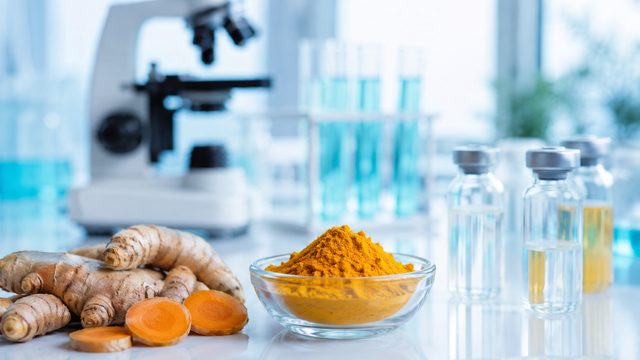
Curcumin and cancer research with turmeric and laboratory vials at Sunridge Medical in Scottsdale, Arizona

Curcumin is a turmeric-derived polyphenol studied across multiple cancer-related pathways.

MULTI-TARGETED CANCER RESEARCH

Why Curcumin Has Attracted So Much Cancer Research

Cancer is driven by interconnected biological systems. A tumor may simultaneously alter cell growth, inflammation, apoptosis, metabolism, angiogenesis, invasion and resistance to treatment.

Curcumin is unusual because researchers have reported effects across many of these systems rather than on one molecular target alone.

The National Cancer Institute notes that curcumin research has examined pathways involving cell-cycle proteins, apoptosis, proliferation, PI3K/AKT survival signaling, MMP-9, VEGF, CXCR4 and inflammatory mediators including NF-κB, TNF, IL-1, IL-8 and COX-2.1

PROGRAMMED CELL DEATH

Curcumin and Apoptosis

One of the most extensively studied effects of curcumin is its ability to induce apoptosis, the organized cellular program that allows abnormal cells to initiate their own death sequence.

Cancer cells frequently become resistant to apoptotic signals. Curcumin studies have reported effects involving caspase activation, Bax, Bcl-2, mitochondrial signaling, reactive oxygen species, NF-κB and PI3K/AKT survival pathways.

NCI’s review of laboratory research specifically identifies activation of caspases and down-regulation of anti-apoptotic gene products among the major cancer pathways influenced by curcumin.1

Curcumin apoptosis and cancer cell research for integrative cancer treatment

Apoptosis, inflammatory signaling and treatment sensitivity are central themes in curcumin cancer research.

NF-ΚB SIGNALING

Curcumin, NF-κB and Cancer-Cell Survival

One molecular target appears repeatedly in curcumin research: NF-κB.

NF-κB is a transcription factor involved in inflammation, cell survival, proliferation and resistance to apoptosis. Persistent NF-κB activity has been observed in many cancer models.

In human multiple-myeloma cells, Bharti and colleagues reported that curcumin downregulated NF-κB activity, suppressed proliferation and induced apoptosis.2

This is important because NF-κB sits at the intersection of chronic inflammatory signaling and tumor-cell survival.

STAT3 & STEMNESS

Curcumin and Cancer Stem Cells

Cancer stem cells are specialized tumor-cell populations associated with self-renewal, recurrence, metastasis and treatment resistance.

Curcumin has demonstrated activity against cancer stem-like populations in several experimental systems.

In lung cancer stem-like cells, researchers found that curcumin inhibited JAK2 activity and reduced tumor-sphere formation, linking the effect to suppression of the JAK2/STAT3 pathway.3

In breast cancer cells, curcumin reduced tumor-sphere formation and decreased markers including CD44, ALDH1A1, Nanog and Oct4 while suppressing Sonic Hedgehog and Wnt/β-catenin signaling.4

COMBINATION THERAPY

Curcumin as a Chemosensitizer

One of the most clinically interesting areas of curcumin cancer research involves chemotherapy.

Instead of asking only whether curcumin affects cancer cells by itself, investigators have examined whether curcumin can make tumor cells more responsive to chemotherapy. This is known as chemosensitization.

Curcumin has been investigated alongside FOLFOX, gemcitabine, docetaxel, melphalan, prednisone and other anticancer medications. Mechanisms under study include NF-κB suppression, apoptosis, cancer stem-cell signaling, inflammatory pathways and treatment-resistance biology.

FOLFOX RESEARCH

Curcumin With FOLFOX for Metastatic Colorectal Cancer

One of the most important human studies evaluated curcumin together with FOLFOX chemotherapy, a regimen that includes 5-fluorouracil, leucovorin and oxaliplatin.

Early dose-escalation work in patients with colorectal cancer and liver metastases found that curcumin could be administered with FOLFOX at doses up to 2 grams daily.5

In a later randomized Phase IIa study, investigators compared FOLFOX alone with FOLFOX plus curcumin, referred to as CUFOX. The trial reported median progression-free survival of 320 days with CUFOX compared with 171 days with FOLFOX alone, and median overall survival of 596 days with CUFOX compared with 200 days with FOLFOX alone.6

PANCREATIC CANCER

Curcumin and Gemcitabine in Pancreatic Cancer

Pancreatic cancer has been another major focus of human curcumin research.

A prospective Phase II study enrolled patients with locally advanced or metastatic pancreatic cancer who received gemcitabine together with a phospholipid-complexed curcumin formulation.7

The study reported partial responses in 27.3% of patients, stable disease in 34.1%, and an overall disease-control rate of 61.4%. Median overall survival was 10.2 months, and median time to progression was 8.4 months.7

PANCREATIC CANCER HUMAN TRIAL

Curcumin in Advanced Pancreatic Cancer

Curcumin has also been studied as an oral intervention in advanced pancreatic cancer.

In an MD Anderson Phase II trial, patients with advanced pancreatic cancer received 8 grams daily of an oral curcuminoid product.8

Among evaluable patients, one experienced stable disease lasting more than 18 months, and another demonstrated measurable tumor regression. The investigators concluded that orally administered curcumin demonstrated biological activity in some patients with pancreatic cancer.8

BREAST CANCER

Curcumin With Docetaxel in Advanced Breast Cancer

Curcumin has also been studied directly alongside docetaxel chemotherapy in women with advanced or metastatic breast cancer.

A French Phase I dose-escalation trial evaluated curcumin with docetaxel.9

Among evaluable patients, five experienced partial responses and three experienced stable disease. The investigators established a recommended curcumin dose of 6 grams daily for seven consecutive days every three weeks for future study with docetaxel.9

MULTIPLE MYELOMA

Curcumin and Multiple Myeloma

Multiple myeloma has generated especially interesting curcumin research because NF-κB plays an important role in myeloma biology.

A randomized study evaluated curcumin as an adjunct to melphalan and prednisone in multiple-myeloma patients.10

The investigators reported an overall remission rate of 75% in the curcumin group compared with 33.3% in the control group. The curcumin group also demonstrated reductions in NF-κB, VEGF and TNF-α.10

ANGIOGENESIS & INVASION

Curcumin, VEGF, MMP-9 and Tumor Invasion

A growing tumor requires access to blood vessels. The process through which tumors stimulate new blood-vessel formation is called angiogenesis, and one of the central mediators is VEGF.

NCI includes VEGF-mediated angiogenesis among the major cancer pathways affected by curcumin in preclinical research.1

Curcumin has also been studied in relation to MMP-9, adhesion molecules and CXCR4—pathways involved in tumor invasion, tissue remodeling and metastasis.1

RADIATION RESPONSE

Curcumin and Radiation Therapy

Curcumin has also been investigated as a radiosensitizer, meaning a compound that may increase the responsiveness of cancer cells to radiation.

An influential study using PC-3 prostate cancer cells found that curcumin conferred a radiosensitizing effect, increasing radiation-induced growth inhibition and apoptosis.11

Human research has also evaluated curcumin during prostate radiotherapy. In a randomized trial, 40 prostate cancer patients undergoing radiation received curcumin or placebo, and researchers evaluated oxidative status before and after radiation.12

INFLAMMATION & QUALITY OF LIFE

Curcumin and Inflammatory Signaling in Cancer Patients

Chronic inflammatory signaling is closely connected with cancer biology.

Curcumin has been extensively studied for its influence on NF-κB, TNF-α, IL-1, IL-6, IL-8, COX-2 and related inflammatory systems.1

A randomized double-blind trial in patients with solid tumors evaluated a bioavailability-boosted curcuminoid formulation and reported suppression of systemic inflammation along with improvements in quality-of-life measures.13

METABOLIC ONCOLOGY

Curcumin and Tumor Metabolism

Cancer cells alter the way they generate and use energy. Modern curcumin research increasingly examines metabolic systems involving glucose utilization, lipid metabolism, mitochondrial activity and redox signaling.

Metabolomics research in breast cancer cells treated with curcumin, including curcumin with docetaxel, identified changes involving glutathione metabolism, lipid metabolism and glucose utilization.14

These findings add another dimension to the relationship between curcumin and cancer, positioning curcumin as a compound that may influence inflammatory, apoptotic and metabolic pathways simultaneously.

FORMULATION MATTERS

Curcumin Bioavailability and Modern Formulations

One of the most active areas of curcumin research involves formulation.

Researchers have studied standard curcuminoid extracts, micronized curcumin, phospholipid complexes, phytosome formulations, micellar formulations, nanocurcumin and other enhanced-delivery systems.

NCI notes that clinical pharmacology studies have detected curcumin and curcumin conjugates in plasma, urine and tissue following different formulations.1

This matters because turmeric powder, ordinary curcumin extracts and enhanced-delivery curcumin formulations are not pharmacologically identical.

HUMAN COLORECTAL TISSUE

Curcumin Reaches Human Colorectal Tissue

Human pharmacology research has directly evaluated curcumin inside colorectal tissue.

Clinical studies in colorectal cancer patients have detected curcumin and related metabolites in colorectal tissue after oral administration. NCI’s review includes several clinical pharmacology studies demonstrating tissue exposure and measurable pharmacodynamic effects in colorectal cancer patients.1

One clinical study also reported increased p53 expression in patients with colorectal cancer after curcumin administration.15

PHYSICIAN-DIRECTED INTEGRATIVE ONCOLOGY

Curcumin and Cancer Treatment at Sunridge Medical

At Sunridge Medical, natural compounds are not approached simply as over-the-counter supplements. The objective is to consider them within an individualized cancer-treatment strategy.

For a patient receiving chemotherapy, radiation therapy, immunotherapy, targeted therapy, hormonal therapy or another physician-directed treatment, curcumin may be evaluated in the context of:

  • Cancer diagnosis and stage
  • Current medications
  • Chemotherapy or radiation regimen
  • Molecular testing
  • Kidney and liver function
  • Laboratory findings
  • Treatment response
  • Overall clinical condition

Curcumin is particularly compelling within integrative oncology because much of the published research focuses on treatment sensitivity, apoptosis, inflammation, cancer stem cells and combination therapy.

FREQUENTLY ASKED QUESTIONS

Frequently Asked Questions About Curcumin and Cancer

How does curcumin affect cancer cells?

Laboratory research has reported effects on apoptosis, NF-κB, STAT3, PI3K/AKT, cell-cycle proteins, VEGF, MMP-9, CXCR4 and multiple inflammatory pathways.

Does curcumin trigger apoptosis?

Yes. Apoptosis is one of the major mechanisms studied in curcumin cancer research. Investigators have observed caspase activation, changes in pro- and anti-apoptotic proteins and mitochondrial death signaling.

Does curcumin affect cancer stem cells?

Multiple studies have demonstrated effects on cancer stem-like populations. Lung cancer research has identified JAK2/STAT3 signaling, while breast cancer research has implicated Wnt/β-catenin and Hedgehog pathways.

Has curcumin been studied with chemotherapy?

Yes. Human clinical studies have evaluated curcumin with FOLFOX, gemcitabine, docetaxel, melphalan/prednisone and other cancer treatments.

Has curcumin been studied with FOLFOX?

Yes. A randomized Phase IIa colorectal cancer trial compared FOLFOX with FOLFOX plus curcumin. The small study reported longer median progression-free and overall survival in the CUFOX group.

Has curcumin been studied with gemcitabine?

Yes. A prospective Phase II pancreatic cancer trial evaluated gemcitabine plus a phospholipid-complexed curcumin formulation and reported a 61.4% disease-control rate.

Has curcumin been studied during radiation treatment?

Yes. Laboratory research has demonstrated radiosensitizing effects, and randomized human research has evaluated curcumin during prostate radiotherapy.

Where is Sunridge Medical located?

Sunridge Medical is located in Scottsdale, Arizona, and works with patients seeking physician-directed integrative cancer treatment from Arizona, throughout the United States and internationally.

BECOME A PATIENT

Explore Physician-Directed Integrative Cancer Care

Curcumin research spans apoptosis, cancer stem cells, inflammatory signaling, FOLFOX, gemcitabine, docetaxel, radiation response, tumor metabolism and human clinical studies.

Call our Patient Care Team to discuss integrative cancer treatment at Sunridge Medical in Scottsdale, Arizona.

RESEARCH REFERENCES

Linked Research References

  1. National Cancer Institute. Curcumin (Curcuma, Turmeric) and Cancer (PDQ®) – Health Professional Version.
  2. Bharti AC, et al. Curcumin down-regulates NF-κB and suppresses proliferation and induces apoptosis in human multiple myeloma cells. PMID: 12393461.
  3. Wu L, et al. Curcumin suppresses stem-like traits of lung cancer cells via inhibiting the JAK2/STAT3 signaling pathway. PMID: 26397387.
  4. Li X, et al. Sonic hedgehog and Wnt/β-catenin pathways mediate curcumin inhibition of breast cancer stem cells. PMID: 29356693.
  5. Irving GR, et al. Combining curcumin with standard FOLFOX chemotherapy in patients with colorectal cancer and liver metastases. PMID: 25872567.
  6. Howells LM, et al. Curcumin Combined with FOLFOX Chemotherapy Is Safe and Tolerable in Patients with Metastatic Colorectal Cancer in a Randomized Phase IIa Trial. PMID: 31132111.
  7. Pastorelli D, et al. Phytosome complex of curcumin as complementary therapy of advanced pancreatic cancer: results of a prospective Phase II trial. PMID: 29614381.
  8. Dhillon N, et al. Phase II trial of curcumin in patients with advanced pancreatic cancer. PMID: 18628464.
  9. Bayet-Robert M, et al. Phase I dose escalation trial of docetaxel plus curcumin in patients with advanced and metastatic breast cancer. PMID: 19901561.
  10. Santosa D, et al. Curcumin as adjuvant therapy to improve remission in myeloma patients. PMID: 35919637.
  11. Chendil D, et al. Curcumin confers radiosensitizing effect in prostate cancer cell line PC-3. PMID: 14985701.
  12. Hejazi J, et al. Effect of Curcumin Supplementation During Radiotherapy on Oxidative Status of Patients with Prostate Cancer. PMID: 26771294.
  13. Panahi Y, et al. Adjuvant therapy with bioavailability-boosted curcuminoids suppresses systemic inflammation and improves quality of life in patients with solid tumors. PMID: 25374406.
  14. Bayet-Robert M, Morvan D. Metabolomics reveals metabolic targets and biphasic responses in breast cancer cells treated by curcumin alone and in association with docetaxel. PMID: 23472124.
  15. He ZY, et al. Upregulation of p53 expression in patients with colorectal cancer by administration of curcumin. PMID: 21314329.
Living research library · positive published findings

Research organized by cancer type

Browse 78 source-linked studies with the full title, publication year, research focus and a concise finding. Select any linked cancer type to move directly to its corresponding Sunridge page.

Curcumin Inhibits Bladder Cancer by Inhibiting Invasion via AKT/MMP14 Pathway.

2024 · Metastasis and invasion

Finally, AKT, MMP14, E-cadherin and N-cadherin were analyzed by Western blot assay to confirm whether curcumin could inhibit bladder cancer by inhibiting invasion via AKT/MMP14 pathway.

Open study on PubMed →

H3K18la-PSMG1 Axis in Bladder Cancer Progression: Curcumin as a Therapeutic Candidate.

2026 · Metastasis and invasion

Experimental analyses revealed that PSMG1 was markedly upregulated in bladder cancer (BCa), progressively upregulated from normal tissue to MIBC, and PSMG1 silencing reduced cell proliferation, invasion, and clonogenic capacity in vitro, while attenuating tumor growth in vivo.

Open study on PubMed →

Curcumin and Methotrexate: A Promising Combination for Osteosarcoma Treatment via Hedgehog Pathway Inhibition.

2024 · Cancer biology and response

Curcumin (CUR)-with antioxidant and anti-cancer properties-downregulates Hh components in cancer, inhibiting progression.

Open study on PubMed →

Curcumin induces ferroptosis and apoptosis in osteosarcoma cells by regulating Nrf2/GPX4 signaling pathway.

2023 · Apoptosis and cell death

The results showed that curcumin effectively decreased cell viability and increased apoptosis rate.

Open study on PubMed →

Anti-glioblastoma effects of nanomicelle-curcumin plus erlotinib.

2021 · Cancer biology and response

Furthermore, the level of proteins related to angiogenesis and Wnt pathway-associated genes in the nanomicelle-curcumin + erlotinib group were significantly decreased compared to the curcumin, erlotinib, and control groups.

Open study on PubMed →

Curcumin Analogs in Glioblastoma Therapy: A Narrative Review.

2026 · Cancer biology and response

Preclinical studies have demonstrated the efficacy of curcumin analogs, including C-150, ALZ003, and DMC-BH, in inhibiting GBM growth, angiogenesis, and improving survival in orthotopic and xenograft mouse models.

Open study on PubMed →

Curcumin combining temozolomide formed localized nanogel for inhibition of postsurgical chemoresistant glioblastoma.

2023 · Cancer biology and response

Estimated survival characteristics demonstrated that the nanogel could play a significant role in TMZ-resistant tumor inhibition with low drug-induced toxicity.

Open study on PubMed →

Effect of curcumin on glioblastoma cells.

2019 · Metastasis and invasion

In conclusion, we have shown that nano micelles curcumin effectively prevent proliferation, and invasion of GBM cells through perturbation of Wnt/β-catenin and NF-κB pathways, suggesting further investigations on the therapeutic application of this novel anticancer drug in in vivo models.

Open study on PubMed →

Anti-proliferation effects of Apatinib in combination with Curcumin in breast cancer cells.

2023 · Tumor growth and proliferation

The obtained results showed that all treatments of Apatinib, Curcumin, and Apa-Cur significantly decreased viability and proliferation of the breast cancer cells in a concentration- and time-dependent manner.

Open study on PubMed →

Curcumin inhibits the invasion and metastasis of triple negative breast cancer via Hedgehog/Gli1 signaling pathway.

2022 · Metastasis and invasion

Modern pharmacological studies have found that curcumin has many kinds of pharmacological activities of anti-inflammatory, anti-tumor, anti-angiogenesis, anti-metastasis and anti-multidrug resistance.

Open study on PubMed →

Curcumin Inhibits the Tumorigenesis of Breast Cancer by Blocking Tafazzin/Yes-Associated Protein Axis.

2020 · Metastasis and invasion

Curcumin (20 and 30 μM) inhibited the proliferation, migration and invasion, and promoted the apoptosis of MCF-7 and MDA-MB-231 cells.

Open study on PubMed →

Curcumin Nanoformulation for Cervical Cancer Treatment.

2016 · Cancer biology and response

Curcumin (CUR) is a well-known natural compound, which exhibits excellent anti-cancer potential by regulating many proliferative, oncogenic, and chemo-resistance associated genes/proteins.

Open study on PubMed →

Curcumin synergistically enhances the efficacy of gemcitabine against gemcitabine-resistant cholangiocarcinoma via the targeting LAT2/glutamine pathway.

2024 · Treatment response

Moreover, in vivo experiments showed that a combination curcumin and gemcitabine significantly reduced tumor size, tumor growth rate and LAT2 expression in a gemcitabine-resistant CCA xenograft mouse model.

Open study on PubMed →

Curcumin-Loaded Maltodextrin-Based Proniosomes Potentially Effective against Gemcitabine-Resistant Cholangiocarcinoma.

2025 · Treatment response

Curcumin has therapeutic potential with various anticancer properties.

Open study on PubMed →

Anticancer properties of curcumin-treated Lactobacillus plantarum against the HT-29 colorectal adenocarcinoma cells.

2023 · Metabolism and redox biology

In conclusion, turmeric spice and curcumin may affect the metabolomics of probiotics in intestinal flora which could subsequently influence their anticancer properties.

Open study on PubMed →

Curcumin activates a ROS/KEAP1/NRF2/miR-34a/b/c cascade to suppress colorectal cancer metastasis.

2023 · Metastasis and invasion

Deletion of miR-34a and miR-34b/c significantly reduced curcumin-induced apoptosis and senescence, and prevented the inhibition of migration and invasion by curcumin or ectopic NRF2.

Open study on PubMed →

Curcumin exerts therapeutic effects on colorectal cancer by inducing pyroptosis through caspase‑1 activation.

2025 · Metastasis and invasion

Curcumin significantly reduced CRC cell viability, migration and invasion in a dose‑dependent manner.

Open study on PubMed →

Curcumin inhibits the development of colorectal cancer via regulating the USP4/LAMP3 pathway.

2024 · Metastasis and invasion

Curcumin significantly accelerated cell apoptosis, and inhibited cell proliferation and invasion in LoVo and HCT-116 cells.

Open study on PubMed →

MACC1-Dependent Antitumor Effect of Curcumin in Colorectal Cancer.

2022 · Tumor growth and proliferation

Curcumin reduced the MACC1 expression, restricted the MACC1-induced proliferation, and was able to reduce the MACC1-induced cell motility as one of the crucial steps for the distant dissemination of the tumor.

Open study on PubMed →

Promising antitumor effects of the curcumin analog DMC-BH on colorectal cancer cells.

2023 · Cancer biology and response

DMC-BH, a curcumin analog, has been reported to possess anticancer properties against human gliomas.

Open study on PubMed →

Therapeutic Applications of Curcumin and Derivatives in Colorectal Cancer.

2022 · Cancer biology and response

Curcumin (CUR), a natural phenolic compound, has been increasingly investigated in several malignancies due to its safe profile and ability to affect a wide range of oncogenic targets.

Open study on PubMed →

Curcumin inhibits esophageal squamous cell carcinoma progression through down-regulating the circNRIP1/miR-532-3p/AKT pathway.

2023 · Apoptosis and cell death

Additionally, ESCC cells exposed to 20 μM of curcumin exhibited significantly decreased proliferative and invasive capacities, as well as enhanced cell apoptosis.

Open study on PubMed →

Tetrahydrocurcumin, Curcumin, and 5-Fluorouracil Effects on Human Esophageal Carcinoma Cells.

2019 · Treatment response

In contrast to concerns that curcuminoids taken by patients through diet or diet supplements might interfere with chemotherapy, suppression of 5-FU efficacy by curcumin was not observed.

Open study on PubMed →

A new curcumin analogue exhibits enhanced antitumor activity in nasopharyngeal carcinoma.

2013 · Apoptosis and cell death

These results suggest that GL63 has more potent antitumor activity than curcumin, which is associated with activation of ER stress, induction of G2/M arrest and apoptosis in NPC cells.

Open study on PubMed →

Combination of talazoparib and olaparib enhanced the curcumin-mediated apoptosis in oral cancer cells by PARP-1 trapping.

2022 · Apoptosis and cell death

Inhibition of Poly (ADP-ribose) Polymerases (PARP) results in the blocking of DNA repair cascades that eventually leads to apoptosis and cancer cell death.

Open study on PubMed →

Curcumin Enhances the Efficacy of Docetaxel by Promoting Anti-Tumor Immune Response in Head and Neck Squamous Cell Carcinoma.

2023 · Treatment response

Curcumin synergized DTX showed significantly greater reduction in tumor burden than either treatment alone via down-regulation of MDSCs, M2 macrophages and up-regulation of CD8+ T cells, NK cells, M1 macrophages.

Open study on PubMed →

Curcumin exerts inhibitory effects on undifferentiated nasopharyngeal carcinoma by inhibiting the expression of miR-125a-5p.

2014 · Metastasis and invasion

Curcumin suppresses proliferation, migration, invasion, metastasis and angiogenesis and induces apoptosis by regulating multiple signalling pathways and miRNAs in a wide variety of human malignancies. miRNAs play crucial roles in various steps of carcinogenesis in nasopharyngeal carcinoma (NPC); thus, they could serve as critical therapeutic targets for NPC treatment.

Open study on PubMed →

Curcumin Increases Radiosensitivity of Radioresistant Nasopharyngeal Cancer.

2023 · Metastasis and invasion

Curcumin treatment significantly inhibited the proliferation and invasion of C6661-IR cells, promoted apoptosis and enhanced radiosensitivity.

Open study on PubMed →

Curcumin inhibits epithelial-mesenchymal transition in oral cancer cells via c-Met blockade.

2020 · Metastasis and invasion

In conclusion, the results of the present study demonstrated that curcumin was able to reverse HGF-induced EMT, possibly by inhibiting c-Met expression in oral cancer cells, providing a strong basis for the development of novel approaches for the treatment of oral cancer.

Open study on PubMed →

Curcumin inhibits oral squamous cell carcinoma proliferation and invasion via EGFR signaling pathways.

2014 · Metastasis and invasion

Our results showed that curcumin inhibited SCC-25 cells proliferation and induced G2/M phase arrest in a dose-dependent manner.

Open study on PubMed →

Curcumin suppresses growth of head and neck squamous cell carcinoma.

2005 · Tumor growth and proliferation

Curcumin was applied as a noninvasive topical paste to the tumors and inhibition of tumor growth was observed in xenografts from the CAL27 cell line.

Open study on PubMed →

Curcumin suppresses head and neck squamous cell carcinoma progression via NCOA4-FTH1-mediated ferroptosis.

2026 · Apoptosis and cell death

Curcumin (Cur) is a natural polyphenol that exhibits potent anti-tumor properties; however, the underlying molecular mechanisms regarding cell death modalities in HNSCC remain underexplored.

Open study on PubMed →

Curcumin suppresses HNSCC tumorigenesis through directly targeting FOSL1/JUN.

2026 · Metastasis and invasion

Comparative analyses of three anti-cancer natural products, including curcumin, gingerol, and allicin, revealed that only curcumin robustly inhibited HNSCC cell proliferation, invasion, and cancer stem cell self-renewal, with potency comparable or superior to cisplatin.

Open study on PubMed →

Curcumin-based polymer prodrug nanoplatform for high-efficiency immunotherapy by synergistically suppression of head and neck cancer cell stemness.

2025 · Metastasis and invasion

This multimodal mechanism significantly inhibited primary tumor growth and metastasis in HNC models, while extending survival.

Open study on PubMed →

Curcumin-induced autophagy contributes to the decreased survival of oral cancer cells.

2012 · Apoptosis and cell death

In vitro studies suggest that curcumin inhibits cancer cell growth by activating apoptosis, but the mechanism underlying the anticancer effects of curcumin is unclear.

Open study on PubMed →

Curcumin: a potential radio-enhancer in head and neck cancer.

2009 · Treatment response

In tumor-bearing mice the combination regimen showed a decrease in both tumor weight (25%, P = .09) and tumor size (15%, P = .23) compared to the nontreated mice. : Curcumin inhibited HNSCC cell growth and augmented the effect of radiation in vitro and in vivo.

Open study on PubMed →

Differential Inhibitory Effects of Curcumin Between HPV+ve and HPV-ve Oral Cancer Stem Cells.

2018 · Tumor growth and proliferation

Curcumin treatment in micromolar concentration (0-50 μM) demonstrated significant differential inhibition in CSC proliferation, orosphere formation and miRNA-21 expression in a dose dependent manner, the effect being highly pronounced in HPV positive CSCs.

Open study on PubMed →

Effect of Curcumin on the Head and Neck Squamous Cell Carcinoma Cell Line HN5.

2023 · Immune and inflammatory signaling

The results exhibited that cell viability reduced following curcumin treatment in a concentration- dependent manner.

Open study on PubMed →

Erlotinib and curcumin-loaded nanoparticles embedded in thermosensitive chitosan hydrogels for enhanced treatment of head and neck cancer.

2024 · Cancer biology and response

This study explored the optimization of poly(lactic-co-glycolic acid) nanoparticles co-loaded with Er and Cm (Er/Cm-NP), prepared via a D-optimal response surface design-guided nanoprecipitation process.

Open study on PubMed →

Exploring the therapeutic potential of curcumin in oral squamous cell carcinoma (HSC-3 cells): Molecular insights into hypoxia-mediated angiogenesis.

2024 · Cancer biology and response

Curcumin, a naturally occurring bioactive compounds, has gained increasing attention for its potential anticancer properties.

Open study on PubMed →

Photodynamic Treatment of Oral Squamous Cell Carcinoma Cells with Low Curcumin Concentrations.

2017 · Treatment response

When combining these curcumin concentrations with UVA or visible light irradiation cell proliferation as well as development of reactive oxygen species was reduced whereas DNA fragmentation was increased.

Open study on PubMed →

Targeting laryngeal cancer cells with 5-fluorouracil and curcumin using mesoporous silica nanoparticles.

2020 · Treatment response

5-Fluorouracil and curcumin synergistically induced apoptosis and cell cycle arrest in Hep-2 cells.

Open study on PubMed →

The Combination of Celastrol and Curcumin Enhances the Antitumor Effect in Nasopharyngeal Carcinoma by Inducing Ferroptosis.

2025 · Apoptosis and cell death

Celastrol and curcumin, both derived from traditional Chinese medicine, have demonstrated antitumor potential.

Open study on PubMed →

Curcumin Inhibits Vasculogenic Mimicry via Regulating ETS-1 in Renal Cell Carcinoma.

2024 · Cancer biology and response

Curcumin could inhibit VM formation by suppressing ETS-1, VE-Cadherin, and MMP9 expression both in vitro and in vivo.

Open study on PubMed →

Curcumin and tetrahydrocurcumin induce cell death in Ara-C-resistant acute myeloid leukemia.

2019 · Apoptosis and cell death

The results demonstrated that curcumin and tetrahydrocurcumin induced cell death by apoptosis and autophagy, respectively, in Ara-C-resistant HL60 cells.

Open study on PubMed →

Curcumin attenuates Adriamycin-resistance of acute myeloid leukemia by inhibiting the lncRNA HOTAIR/miR-20a-5p/WT1 axis.

2021 · Apoptosis and cell death

Furthermore, curcumin suppressed proliferation and promoted apoptosis of HL-60/ADR cells.

Open study on PubMed →

Curcumin augments therapeutic efficacy of TRAIL-based immunotoxins in leukemia.

2020 · Apoptosis and cell death

Overall, our results suggest that curcumin potentiates TRAIL-induced apoptosis through modulation of death receptors and anti-apoptotic proteins which significantly enhances the therapeutic efficacy.

Open study on PubMed →

Curcumin sensitizes response to cytarabine in acute myeloid leukemia by regulating intestinal microbiota.

2022 · Treatment response

Curcumin treatment sensitized response to Ara-C in MNCs of AML mice, but had no direct effect on AML cell lines.

Open study on PubMed →

Curcumin Induces Apoptosis by Suppressing XRCC4 Expression in Hepatocellular Carcinoma.

2023 · Apoptosis and cell death

Therefore, curcumin exerts anti-cancer effects by inhibiting cell proliferation and promoting cell apoptosis in HCC.

Open study on PubMed →

Curcumin induces ferroptosis in hepatocellular carcinoma by regulating the P62-KEAP1-NRF2-signaling pathway.

2025 · Apoptosis and cell death

Curcumin administration (100 mg/kg for 15 days) markedly suppressed tumor growth, reduced glutathione levels in tumor tissues, and enhanced the accumulation of reactive oxygen species, malondialdehyde, and Fe2+.In vitro, curcumin inhibited HepG2 cell proliferation, promoted ferroptotic cell death, downregulated P62 and NRF2 expression, and upregulated KEAP1 expression.

Open study on PubMed →

Smart Mesoporous Silica Nanoparticles Loading Curcumin Inhibit Liver Cancer.

2024 · Cancer biology and response

Curcumin (CUR) as one of the natural edible pigments is approved by the World Health Organization due to its nontoxic and anticancer effect.

Open study on PubMed →

Curcumin suppresses lung cancer progression via circRUNX1 mediated miR-760/RAB3D axis.

2023 · Metastasis and invasion

Curcumin reduced LC cell proliferation, metastasis, and accelerate apoptosis, while circRUNX1 overexpression reversed these effects.

Open study on PubMed →

Anticancer activities of curcumin on human Burkitt's lymphoma.

2002 · Tumor growth and proliferation

Curcumin inhibited proliferation of CA46 cells in a time- and dose-dependent manner, 2.

Open study on PubMed →

Co-delivery of Doxorubicin and Curcumin with Polypeptide Nanocarrier for Synergistic Lymphoma Therapy.

2020 · Treatment response

Further, combination of DOX with other anticancer drugs, such as curcumin, can enhance the synergistic effects, possibly through epigenetic mechanisms.

Open study on PubMed →

Curcumin induces apoptosis via downregulation of SKP2 and induction of GADD45A/CDKN1A expression through generation of ROS in cutaneous T-cell lymphoma cells.

2025 · Apoptosis and cell death

The study found that curcumin induced apoptosis in CTCL cells by activating mitochondrial signaling pathways and caspases leading to growth inhibition.

Open study on PubMed →

Curcumin Inhibits the Growth and Metastasis of Melanoma via miR-222-3p/SOX10/Notch Axis.

2022 · Metastasis and invasion

Curcumin could inhibit the proliferation, migration, and invasion of melanoma cells.

Open study on PubMed →

Engineering endoplasmic reticulum targeted metal-polyphenol curcumin nanomicelles for melanoma therapy.

2025 · Metastasis and invasion

Functionally, TCPC significantly suppresses cell viability, migration, and invasion in vitro.

Open study on PubMed →

Curcumin derivative NL01 induces ferroptosis in ovarian cancer cells via HCAR1/MCT1 signaling.

2023 · Apoptosis and cell death

CCK-8 was used to detect curcumin and derivative IC50, crystalline violet staining was used to detect the proliferation inhibition effect of NL01 in ovarian cancer, western blot and qPCR were used to detect downstream related molecular expression changes, Transwell and survival curve assays were used to detect malignant phenotypic.

Open study on PubMed →

Curcumin induces ferroptosis in ovarian cancer cells through the Nrf2/GPX4 regulation axis.

2026 · Metastasis and invasion

Our results demonstrated that curcumin inhibited proliferation, migration, and invasion of SK-OV-3 and A2780 cells in a dose-dependent manner, while inducing apoptosis and ferroptosis, as evidenced by elevated reactive oxygen species (ROS), MDA, Fe2+ levels, and depletion of GSH.

Open study on PubMed →

Curcumin inhibits ovarian cancer progression by regulating circ-PLEKHM3/miR-320a/SMG1 axis.

2021 · Apoptosis and cell death

Circ-PLEKHM3 overexpression exacerbated the effect of curcumin on ovarian cancer cell proliferation and apoptosis, as well as anti-tumor effect.

Open study on PubMed →

Curcuminoids WM03 inhibits ovarian cancer cisplatin-resistant cells proliferation and reverses cisplatin resistance by targeting DYRK2.

2025 · Metastasis and invasion

Curcumin has been shown to effectively inhibit the proliferation and invasion of ovarian cancer cells but its bioavailability restricts its application.

Open study on PubMed →

RETRACTION NOTICE: Curcumin and resveratrol inhibit chemoresistance in cisplatin-resistant epithelial ovarian cancer cells via targeting P13K pathway.

2022 · Treatment response

The study reports rETRACTION NOTICE: Curcumin and resveratrol inhibit chemoresistance in cisplatin-resistant epithelial ovarian cancer cells via targeting P13K pathway.

Open study on PubMed →

Curcumin inhibits prostate cancer by upregulating miR-483-3p and inhibiting UBE2C.

2024 · Cancer biology and response

Many evidence have shown the efficacy of curcumin (CUR) in inhibiting the progression of PCa.

Open study on PubMed →

Curcumin inhibits prostate cancer progression by regulating the miR-30a-5p/PCLAF axis.

2021 · Metastasis and invasion

In addition, transfection of miR-30a-5p inhibitors partially reversed the function of curcumin on cell proliferation, migration, invasion and apoptosis.

Open study on PubMed →

Cytotoxicity of curcumin against CD44± prostate cancer cells: Roles of miR-383 and miR-708.

2023 · Apoptosis and cell death

We used Annexin V-FITC/PI to quantify apoptotic cell death. qRT-PCR was also used to detect miRNA and gene expression levels after curcumin treatment.

Open study on PubMed →

The Role of Curcumin in Prostate Cancer Cells and Derived Spheroids.

2022 · Apoptosis and cell death

Finally, chemotherapeutic agents and curcumin reduced the size of DU145 and PC-3 spheroids and have the potential to induce apoptosis and also in Matrigel.

Open study on PubMed →

Curcumin and Methotrexate: A Promising Combination for Osteosarcoma Treatment via Hedgehog Pathway Inhibition.

2024 · Cancer biology and response

Curcumin (CUR)-with antioxidant and anti-cancer properties-downregulates Hh components in cancer, inhibiting progression.

Open study on PubMed →

Curcumin induces ferroptosis and apoptosis in osteosarcoma cells by regulating Nrf2/GPX4 signaling pathway.

2023 · Apoptosis and cell death

The results showed that curcumin effectively decreased cell viability and increased apoptosis rate.

Open study on PubMed →

Utility of the second-generation curcumin analogue RL71 in canine histiocytic sarcoma.

2024 · Cancer biology and response

Synthetic analogues of curcumin have elicited potent anti-cancer activity in multiple in vitro and in vivo models of human cancer.

Open study on PubMed →

Curcumin inhibits AP-2γ-induced apoptosis in the human malignant testicular germ cells in vitro.

2013 · Apoptosis and cell death

Curcumin dose-dependently induced apoptosis of NTera-2 cells by reducing FasL expression and Bcl-2-to-Bax ratio, and activating caspase-9, -8 and -3.

Open study on PubMed →

Effects of curcumin on bleomycin-induced apoptosis in human malignant testicular germ cells.

2013 · Apoptosis and cell death

Curcumin, bleomycin, and H2O2 caused apoptosis indicated as increases in caspase-3, caspase-8, and caspase-9 activities and Bax and cytoplasmic Cyt-c levels and a decrease in Bcl-2 level.

Open study on PubMed →

Effects of curcumin on bleomycin‑induced oxidative stress in malignant testicular germ cell tumors.

2012 · Metabolism and redox biology

Curcumin significantly decreased LPO, 8-isoprostane and protein carbonyl content, and TBARS levels increased in cells treated with bleomycin and H2O2.

Open study on PubMed →

Synergistic anticancer activity of curcumin and bleomycin: an in vitro study using human malignant testicular germ cells.

2012 · Treatment response

Curcumin (20 µM), bleomycin (400 µg/ml) and H2O2 (400 µM) incubation for 24 h decreased the viability of NTera-2 cells, and increased caspase-3, -8 and -9 activities, Bax and cytoplasmic cytochrome c levels and decreased Bcl-2 levels.

Open study on PubMed →

Curcumin induces autophagic cell death in human thyroid cancer cells.

2022 · Apoptosis and cell death

In the present study, curcumin significantly inhibited the growth of thyroid cancer cells.

Open study on PubMed →

Curcumin Induces Ferroptosis in Follicular Thyroid Cancer by Upregulating HO-1 Expression.

2023 · Apoptosis and cell death

Tumorigenesis is significantly inhibited by curcumin.

Open study on PubMed →

Curcumin Inhibits Papillary Thyroid Cancer Cell Proliferation by Regulating lncRNA LINC00691.

2022 · Apoptosis and cell death

We observed that curcumin treatment decreased B-CPAP cell proliferation and promoted apoptosis.

Open study on PubMed →

The curcumin analogue PAC has potent anti-anaplastic thyroid cancer effects.

2023 · Metastasis and invasion

This anti-EMT effect was confirmed by showing PAC-dependent inhibition of the proliferation and migration abilities of ATC cells.

Open study on PubMed →

Liposomal Curcumin Targeting Endometrial Cancer Through the NF-κB Pathway.

2018 · Apoptosis and cell death

In vitro, LC resulted in dose-dependent inhibition of proliferation, induction of apoptosis, and suppression of Ishikawa and HEC-1 cell motility.

Open study on PubMed →

Scottsdale Clinic

14200 N Northsight Blvd #160
Scottsdale, Arizona 85260

Office Hours

Monday–Friday: 9:00 AM–5:00 PM
Saturday: 9:00 AM–12:00 PM

Visit Sunridge in Scottsdale

FREE INTRODUCTORY CALL

Speak With Our Patient Care Team

Tell us what you are facing. There is no charge to speak with our Patient Care Team, understand how Sunridge works and determine whether a physician consultation may be an appropriate next step.

Call Now: 1-800-923-7878

This introductory call is not a medical consultation and does not establish a physician-patient relationship.

Have a Question or Share Feedback:
It's easy to get in touch with us