

RESEARCH & NATURAL MEDICINE

Resveratrol Cancer Treatment: 2026 Complete Research Guide

Resveratrol is one of the most intensively studied natural compounds in cancer biology. Research has examined its effects on apoptosis, cancer stem-like cells, cell-cycle regulation, inflammatory signaling, oxidative biology, tumor metabolism, angiogenesis, invasion, metastasis, chemotherapy sensitivity and radiation response.

At Sunridge Medical in Scottsdale, Arizona, resveratrol may be considered within a physician-directed integrative oncology program based upon the individual patient’s diagnosis, current cancer treatment, medications, laboratory findings and overall treatment strategy.

This research guide brings together major laboratory, animal and human studies examining resveratrol cancer treatment, including its use with chemotherapy and radiation and its effects on programmed cancer-cell death.

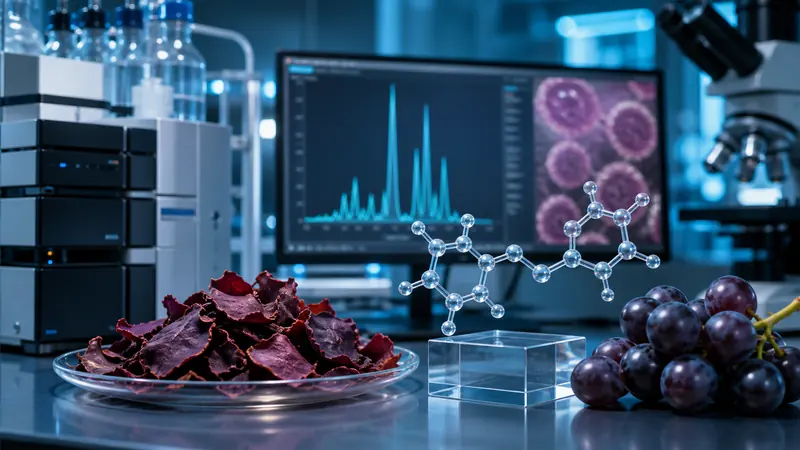
Resveratrol cancer treatment research with grapes and resveratrol at Sunridge Medical in Scottsdale, Arizona

Resveratrol is a plant-derived polyphenol investigated across multiple cancer-related pathways.

MULTI-TARGETED CANCER RESEARCH

Why Resveratrol Has Attracted So Much Cancer Research

Cancer is driven by interconnected biological networks rather than a single abnormal pathway. Tumor cells can alter apoptosis, growth signaling, inflammation, metabolism, DNA-damage responses, angiogenesis and mechanisms involved in invasion and treatment resistance.

Resveratrol has attracted sustained scientific attention because experimental studies have reported activity across many of these systems. Investigators have studied resveratrol in breast, colorectal, prostate, pancreatic, ovarian, lung, liver, gastric and hematologic cancer models, as well as in treatment-resistant and cancer stem-like cell populations.

This broad biological reach helps explain why resveratrol is frequently investigated not only as an individual anticancer compound, but also as a potential chemosensitizer and radiosensitizer.

PROGRAMMED CELL DEATH

Resveratrol and Apoptosis

One of the most consistent themes in resveratrol research is its ability to activate apoptosis—the organized cellular program that allows abnormal cells to initiate their own death sequence.

Cancer cells often survive by strengthening anti-apoptotic signals and weakening pro-apoptotic pathways. Resveratrol studies have reported effects involving Bcl-2, Bax, NF-κB, PI3K/AKT signaling, mitochondrial membrane function, reactive oxygen species and caspases.

In MCF-7 human breast cancer cells, Pozo-Guisado and colleagues reported a caspase-independent apoptotic mechanism involving downregulation of Bcl-2 and NF-κB.2 The study directly connected resveratrol with mitochondrial changes and cellular death signaling.

Resveratrol apoptosis and cancer cell research for integrative cancer treatment

Apoptosis is one of the most repeatedly investigated mechanisms in resveratrol cancer research.

CANCER STEM-LIKE CELLS

Resveratrol Suppresses Cancer Stem-Like Cells

Cancer stem-like cells are of special interest because they possess self-renewal characteristics and have been associated with tumor initiation, recurrence and treatment resistance.

The study highlighted by Sunridge patients and clinicians, Resveratrol suppresses growth of cancer stem-like cells by inhibiting fatty acid synthase, examined CD24−/CD44+/ESA+ breast cancer stem-like cells.1

The researchers found that resveratrol “significantly reduced the cell viability and mammosphere formation” and induced apoptosis in these stem-like populations.1

The study connected this response with downregulation of fatty acid synthase and activation of pro-apoptotic genes including DAPK2 and BNIP3, linking cancer stem-cell biology with tumor lipid metabolism.

STEMNESS & SELF-RENEWAL

Wnt/β-Catenin Signaling and Breast Cancer Stem Cells

A separate breast cancer stem-cell study found that resveratrol inhibited stem-like cells and induced autophagy through suppression of the Wnt/β-catenin pathway.3

Wnt/β-catenin signaling is deeply involved in cellular self-renewal and stemness. The investigators found that experimentally increasing β-catenin reduced resveratrol-associated effects, providing mechanistic support for Wnt pathway involvement.

Together with the fatty-acid-synthase study, this work suggests that resveratrol can influence cancer stem-like populations through more than one biological route.

PANCREATIC CANCER RESEARCH

Resveratrol and Pancreatic Cancer Stem Cells

Shankar and colleagues investigated resveratrol in human pancreatic cancer stem cells and a Kras-driven pancreatic cancer model.4

The study reported inhibition of pancreatic cancer stem-cell characteristics and effects on pluripotency-maintaining factors and epithelial-mesenchymal transition. This research is notable because it examined both human cancer stem-cell biology and an in-vivo pancreatic cancer model.

Later work also reported that resveratrol enhanced the response of pancreatic cancer cells to gemcitabine while reversing stemness-associated changes through SREBP1-related signaling.5

COMBINATION THERAPY

Resveratrol as a Chemosensitizer

One of the most compelling areas of resveratrol cancer research asks whether resveratrol can make malignant cells more responsive to chemotherapy.

This concept—chemosensitization—has been investigated with 5-fluorouracil, doxorubicin, platinum chemotherapy, temozolomide, gemcitabine and other drugs.

Mechanisms reported across these studies include suppression of survival signaling, modulation of NF-κB, changes in drug-resistance pathways, increased apoptosis, effects on epithelial-mesenchymal transition, changes in stemness and altered mitochondrial or oxidative signaling.

5-FLUOROURACIL

Resveratrol and 5-FU in Colorectal Cancer

Buhrmann and colleagues studied resveratrol together with 5-fluorouracil in colorectal cancer cells.6

The investigators reported that resveratrol could “potentiate the anti-tumor effects of 5-FU” by chemosensitizing colorectal cancer cells.6

The research also linked the combination to inhibition of epithelial-mesenchymal transition, an important biological program associated with invasion, metastatic behavior and treatment resistance.

DOXORUBICIN

Resveratrol and Doxorubicin Sensitivity

Breast cancer studies have repeatedly examined resveratrol with doxorubicin.

Proteomic work by Díaz-Chávez and colleagues found that resveratrol inhibited HSP27 expression and sensitized breast cancer cells to doxorubicin therapy.7

Additional studies reported that resveratrol increased the chemosensitivity of doxorubicin-resistant breast cancer cells and improved anticancer responses in combination treatment.89

These studies reinforce a recurring theme in the literature: resveratrol can influence cellular programs cancer cells use to survive chemotherapy.

PLATINUM CHEMOTHERAPY

Resveratrol With Cisplatin and Oxaliplatin

Platinum chemotherapy is another important area of resveratrol combination research.

Investigators tested resveratrol with cisplatin and oxaliplatin in human ovarian cancer cells, including drug-resistant cell lines.10

The study design is especially interesting because it evaluated resveratrol not only in chemotherapy-sensitive cells, but also in lines selected for platinum resistance. This type of research helps investigators explore whether resveratrol may modify biological mechanisms underlying chemotherapy response.

TEMOZOLOMIDE & GLIOBLASTOMA

Resveratrol Enhances Temozolomide Antitumor Signaling

Glioblastoma research has provided some of the most detailed mechanistic data on resveratrol combined with chemotherapy.

Yuan and colleagues found that resveratrol increased temozolomide-associated G2/M arrest, reactive oxygen species and AMPK activation while inhibiting mTOR signaling and reducing Bcl-2 and MMP-9.11

The authors concluded that resveratrol could “enhance TMZ-mediated antitumor effects” through a ROS-dependent AMPK-TSC-mTOR pathway.11

The work included both cell-based experiments and an orthotopic glioblastoma xenograft model, making it an important example of resveratrol combination research extending beyond cell culture.

RADIATION RESPONSE

Resveratrol as a Radiosensitizer

Resveratrol has also been investigated as a radiosensitizer—a compound capable of increasing tumor-cell responsiveness to ionizing radiation.

In radioresistant PC-3 prostate cancer cells, Fang and colleagues reported that adding resveratrol “synergistically enhanced XRT-induced apoptosis” and increased inhibition of cell proliferation.12

A later prostate cancer study examined resveratrol’s radiosensitizing effects through cancer stem-cell markers and epithelial-mesenchymal transition, reporting additional reductions in cell viability and stem-cell-marker expression when resveratrol was combined with radiation.13

HUMAN CANCER STUDIES

Resveratrol Has Produced Measurable Effects in Human Cancer Tissue

Human studies provide an especially important bridge between mechanistic laboratory research and clinical oncology.

In a study of 20 patients with colorectal cancer, patients received oral resveratrol before surgery. Resveratrol and its metabolites were detected in colorectal tissue, and the researchers reported that resveratrol “reduced tumor cell proliferation by 5%” as measured by Ki-67.14

This is notable because the investigators directly measured the compound and its biological effects in human colorectal tumor tissue rather than relying only on laboratory models.

HUMAN LIVER METASTASIS STUDY

A 39% Increase in a Marker of Apoptosis

A randomized, double-blind phase I pilot study evaluated micronized resveratrol (SRT501) in patients with colorectal cancer metastatic to the liver who were scheduled for hepatic surgery.15

Resveratrol was detected in hepatic tissue. Most strikingly, cleaved caspase-3—a marker of apoptosis—was “significantly increased by 39%” in malignant hepatic tissue following SRT501 treatment compared with placebo-treated tissue.15

This human-tissue result mirrors the broader laboratory literature connecting resveratrol with activation of apoptotic pathways.

HUMAN COLON TISSUE

Resveratrol and Wnt-Related Signaling in a Phase I Pilot Study

Another phase I pilot clinical study examined resveratrol and resveratrol-containing grape powder in patients with colon cancer.16

The investigators analyzed Wnt pathway target-gene expression in human colon tissue and observed significant modulation in normal colonic mucosa, including effects involving cyclin D1 and axin II.

Taken together, the human colorectal studies demonstrate tissue exposure, changes in proliferation, apoptosis-associated signaling and molecular pathway modulation following resveratrol administration.

RESEARCH ACROSS CANCER TYPES

Breast, Prostate, Pancreatic, Ovarian and Lung Cancer Research

Breast cancer: Studies have examined apoptosis, Bcl-2/NF-κB signaling, cancer stem-like cells, fatty acid synthase, Wnt/β-catenin signaling and doxorubicin sensitivity.127

Prostate cancer: Experimental research has examined apoptosis, proliferation, radiation sensitivity, senescence and cancer stem-cell markers.1213

Pancreatic cancer: Research has focused on cancer stem-cell characteristics, Kras-driven tumor biology and chemotherapy response.45

Ovarian cancer: Studies have examined resveratrol with platinum chemotherapy in both sensitive and resistant cell lines.10

Lung cancer: Resveratrol has been studied in A549 cells with reported effects involving p21, pRB, Bax and NF-κB-associated growth and apoptotic signaling.17

TUMOR METABOLISM

Fatty Acid Synthesis, AMPK/mTOR and Metabolic Signaling

Metabolic reprogramming is a defining feature of cancer biology, and resveratrol research repeatedly intersects with tumor metabolism.

The breast cancer stem-like cell study linked resveratrol to suppression of fatty acid synthase.1 Glioblastoma research linked resveratrol with ROS-dependent AMPK activation and mTOR inhibition.11 Pancreatic cancer combination research has connected resveratrol with SREBP1-related regulation of lipid metabolism and stemness.5

These findings position resveratrol at an intriguing intersection between natural medicine, cellular energy sensing, lipid metabolism and cancer-treatment response.

PHYSICIAN-DIRECTED INTEGRATIVE ONCOLOGY

Resveratrol Cancer Treatment at Sunridge Medical

At Sunridge Medical, natural compounds are considered within a broader clinical strategy rather than used as isolated supplements.

For a patient receiving chemotherapy, radiation, immunotherapy, targeted therapy or hormone therapy, the selection and timing of concentrated natural compounds can be considered in the context of:

  • Cancer diagnosis and stage
  • Current treatment regimen
  • Medication schedule
  • Kidney and liver function
  • Laboratory findings
  • Molecular testing
  • Treatment response
  • Overall treatment goals

Resveratrol is especially interesting within integrative oncology because so much of its research involves apoptosis, cancer stem-like cells, treatment sensitivity and metabolic signaling.

FREQUENTLY ASKED QUESTIONS

Frequently Asked Questions About Resveratrol and Cancer

How does resveratrol affect cancer cells?

Experimental research has reported effects on apoptosis, Bcl-2, Bax, NF-κB, PI3K/AKT, AMPK/mTOR, fatty acid synthase, Wnt/β-catenin signaling, epithelial-mesenchymal transition and cancer stem-like cells.

Does resveratrol trigger apoptosis?

Yes. Apoptosis is one of the most consistently investigated resveratrol mechanisms in cancer research. Studies have reported mitochondrial changes, Bcl-2 suppression, Bax signaling, reactive oxygen species and activation of programmed cell-death pathways.

Has resveratrol been studied with chemotherapy?

Yes. Published studies have examined resveratrol with 5-FU, doxorubicin, cisplatin, oxaliplatin, temozolomide, gemcitabine and other anticancer drugs.

Does resveratrol affect cancer stem cells?

Yes. Breast and pancreatic cancer studies have reported suppression of cancer stem-like cell growth, mammosphere formation, stemness-associated signaling and pluripotency-related pathways.

Has resveratrol been studied in cancer patients?

Yes. Human colorectal cancer studies have detected resveratrol in tumor or hepatic tissue and reported measurable changes in Ki-67 proliferation, cleaved caspase-3 and Wnt-related gene expression.

Has resveratrol been studied with radiation?

Yes. Prostate cancer studies have reported increased radiation sensitivity, apoptosis and reductions in cancer stem-cell markers when resveratrol was combined with ionizing radiation.

Where is Sunridge Medical located?

Sunridge Medical is located in Scottsdale, Arizona, and works with patients seeking physician-directed integrative cancer treatment from Arizona, throughout the United States and internationally.

BECOME A PATIENT

Explore Physician-Directed Integrative Cancer Care

Resveratrol research spans apoptosis, cancer stem-like cells, tumor metabolism, chemotherapy sensitivity, radiation response and measurable effects in human cancer tissue.

Call our Patient Care Team to discuss integrative cancer treatment at Sunridge Medical in Scottsdale, Arizona.

RESEARCH REFERENCES

Linked Research References

  1. Pandey PR, et al. Resveratrol suppresses growth of cancer stem-like cells by inhibiting fatty acid synthase. Breast Cancer Research and Treatment. 2011. PMID: 21188630.
  2. Pozo-Guisado E, et al. Resveratrol-induced apoptosis in MCF-7 human breast cancer cells involves a caspase-independent mechanism with downregulation of Bcl-2 and NF-kappaB. International Journal of Cancer. 2005. PMID: 15688415.
  3. Fu Y, et al. Resveratrol inhibits breast cancer stem-like cells and induces autophagy via suppressing Wnt/β-catenin signaling. 2014. PMID: 25068516.
  4. Shankar S, et al. Resveratrol inhibits pancreatic cancer stem cell characteristics in human and Kras-driven pancreatic cancer models. 2011.
  5. Zhou C, et al. Resveratrol enhances the chemotherapeutic response and reverses stemness induced by gemcitabine in pancreatic cancer cells via targeting SREBP1.
  6. Buhrmann C, et al. Resveratrol induces chemosensitization to 5-fluorouracil through up-regulation of intercellular junctions, EMT and apoptosis in colorectal cancer. 2015. PMID: 26310874.
  7. Díaz-Chávez J, et al. Proteomic profiling reveals that resveratrol inhibits HSP27 expression and sensitizes breast cancer cells to doxorubicin therapy. PLoS One. 2013. PMID: 23724044.
  8. Jin X, et al. Resveratrol sensitization of doxorubicin-resistant breast cancer cells. 2019. PMID: 30697969.
  9. Rai G, et al. Resveratrol improves the anticancer effects of doxorubicin in breast cancer cells. 2016. PMID: 26969377.
  10. Nessa MU, et al. Combinations of resveratrol, cisplatin and oxaliplatin applied to human ovarian cancer cells. PMID: 22213288.
  11. Yuan Y, et al. Resveratrol enhances the antitumor effects of temozolomide in glioblastoma via ROS-dependent AMPK-TSC-mTOR signaling. 2012. PMID: 22530672.
  12. Fang Y, DeMarco VG, Nicholl MB. Resveratrol enhances radiation sensitivity in prostate cancer by inhibiting cell proliferation and promoting cell senescence and apoptosis. Cancer Science. 2012. PMID: 22417066.
  13. El-Benhawy SA, et al. Role of Resveratrol as Radiosensitizer by Targeting Cancer Stem Cells in Radioresistant Prostate Cancer Cells (PC-3). 2021. PMID: 34967561.
  14. Patel KR, et al. Clinical pharmacology of resveratrol and its metabolites in colorectal cancer patients. Cancer Research. 2010. PMID: 20841478.
  15. Howells LM, et al. Phase I randomized, double-blind pilot study of micronized resveratrol in patients with hepatic metastases. Cancer Prevention Research. 2011. PMID: 21680702.
  16. Nguyen AV, et al. Phase I pilot clinical trial examining resveratrol and grape powder on Wnt pathway target gene expression in colon tissue. PMID: 21188121.
  17. Kim YA, et al. Involvement of p21WAF1/CIP1, pRB, Bax and NF-kappaB in induction of growth arrest and apoptosis by resveratrol in human lung carcinoma A549 cells. PMID: 12963997.
Become a Patient

Contact Us Today.  Call  1.800.923.7878 
To Speak To Our Patient Care Team

Table of Contents

Helpful Links

How can we help you today?
1-800-923-7878
Our Patient Care Team is always available to answer any of your questions. Get in touch with us today!
Call today

Address

14200 N Northsight Blvd #160
Scottdale, Arizona 85260

Working Hours

Monday to Friday : 9am - 5pm Saturday : 9am - 12pm

Come Visit Us

Quick Contact Form

Call and Speak to our Patient Representatives for all of your questions and needs.  

Have a Question or Share Feedback:
It's easy to get in touch with us