


A “normal” liver enzyme panel is frequently the most misleading metric in the management of complex chronic illness. You may feel persistently sluggish or toxic, yet traditional diagnostics suggest your hepatic function is adequate. This disconnect is a common frustration for those navigating intensive infection protocols where severe Herxheimer reactions often signal a system in crisis. Supporting liver health for detoxification isn’t a secondary wellness goal; it’s a fundamental metabolic requirement for anyone seeking to break the cycle of cellular stagnation and chronic inflammation.
You’ve likely realized that standard treatments aren’t enough when your body’s primary filtration system is overwhelmed. This article provides a deep dive into the advanced clinical mechanisms of liver detoxification, moving beyond surface-level advice to explore how optimizing these pathways serves as a cornerstone for recovering from complex diseases. You’ll gain a clear understanding of the specific biological phases of detox and learn to identify the subtle signs that your system is struggling. By the end, you’ll discover a clinical pathway to restore function as part of a comprehensive recovery plan designed for lasting well-being.
Key Takeaways
- Understand why chronic illness creates a metabolic bottleneck in hepatic pathways and how biotransformation is essential for systemic recovery.
- Learn the critical balance between Phase I and Phase II pathways to ensure that supporting liver health for detoxification doesn’t lead to a buildup of harmful intermediates.
- Identify systemic signs of hepatic burden, such as persistent brain fog and chemical sensitivities, that often persist even when standard blood tests appear normal.
- Discover how targeted clinical nutrients like NAC and alpha-lipoic acid synchronize detoxification phases to protect cellular integrity and reduce inflammation.
- Explore the advantages of specialized IV and injection therapy for delivering high-potency nutrients that bypass digestive limitations for immediate hepatic support.
The Critical Role of the Liver in Chronic Disease Recovery
Many patients arriving at our clinic feel “toxic” despite their blood work suggesting everything is fine. This frustration stems from a misunderstanding of how the liver actually processes waste. While general wellness circles often promote superficial “cleanses,” supporting liver health for detoxification requires a deep understanding of biotransformation. This is the metabolic process where the liver identifies, neutralizes, and prepares toxins for excretion. In the context of complex illness, this system often reaches a breaking point.
Chronic conditions, such as Lyme disease or advanced malignancies, place an immense burden on hepatic pathways. When patients undergo alternative cancer treatment, the body must process not only environmental pollutants but also the metabolic byproducts of the disease itself. If the liver cannot keep pace, a “bottleneck” occurs. This isn’t just a lack of “wellness”; it’s a physiological traffic jam that prevents other therapies from working effectively. Understanding liver detoxification functions is essential because it shifts the focus from temporary fixes to clinical hepatic optimization.
Liver Function as a Foundational Recovery Pillar
During intensive infection protocols, the body often experiences a “die-off” effect, or Herxheimer reaction. This happens when pathogens release a surge of endotoxins that the liver must filter immediately. Clinical detoxification is the enzymatic conversion of fat-soluble toxins into water-soluble waste. Environmental toxins further complicate this process by consuming limited antioxidant reserves, which often leaves the liver unable to complete this vital biotransformation. Without this precise conversion, fat-soluble toxins remain stored in adipose tissue, hindering cellular recovery and prolonging systemic inflammation. If you are also focusing on optimizing body composition as part of your recovery, read more about medical weight management strategies.
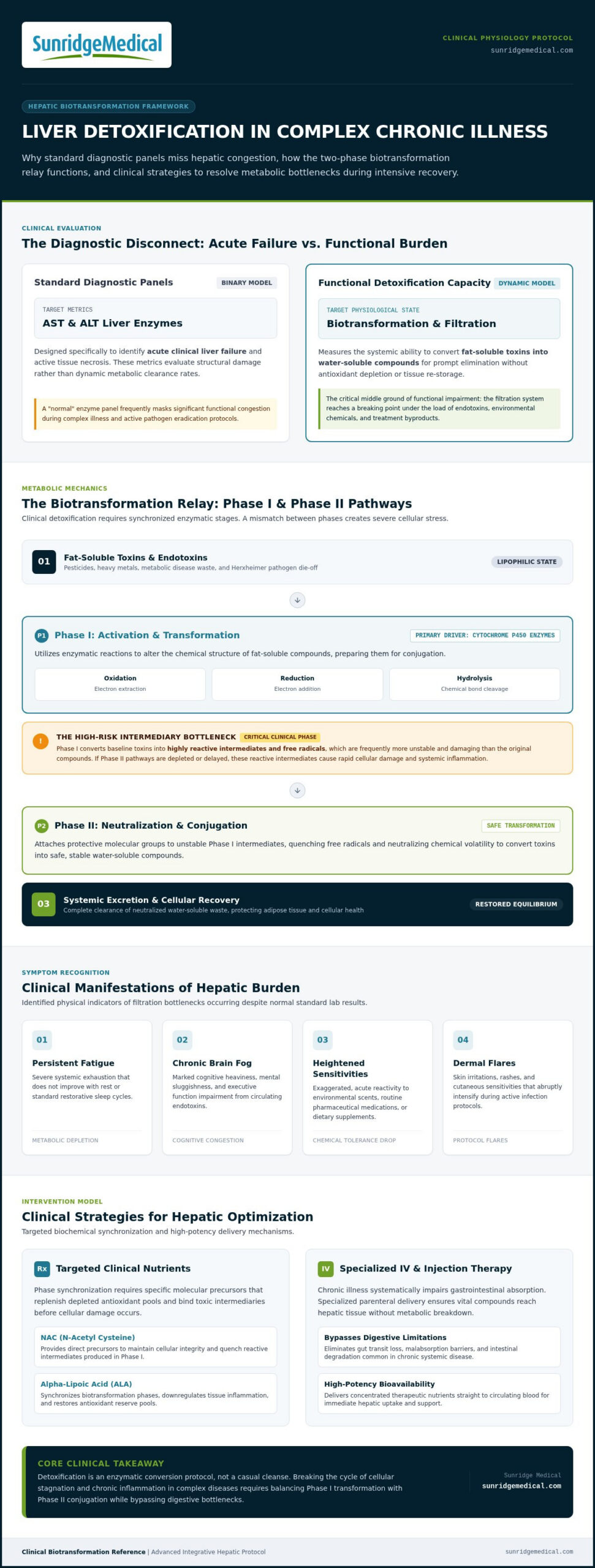
Standard diagnostic panels typically measure AST and ALT enzymes. While these are excellent for detecting acute clinical liver failure, they don’t always reflect optimal detox capacity. A patient can have “normal” results while suffering from significant hepatic congestion. This functional burden manifests through several systemic signs that demand a more sophisticated approach to supporting liver health for detoxification. Traditional medicine often views the liver in binary terms, but we recognize the vast middle ground of functional impairment.
Signs of hepatic congestion include:
- Persistent fatigue that doesn’t improve with rest.
- Chronic brain fog and cognitive heaviness.
- Heightened sensitivity to scents, medications, or supplements.
- Skin irritations and sensitivities that flare during treatment protocols.
Distinguishing between organ failure and functional congestion is the first step toward a targeted recovery plan. By addressing these bottlenecks, we help patients move from a state of toxic stagnation to one of active healing.
The Two Phases of Liver Detoxification: A Clinical Breakdown
Effective detoxification isn’t a single event but a complex, two-part metabolic relay race. To understand why standard “cleanses” often fail patients with chronic conditions, we must examine how the liver processes compounds at a cellular level. This process, known as biotransformation, relies on the precise synchronization of Phase I and Phase II pathways. When these phases fall out of alignment, the body can actually become more toxic during the recovery process. Proper clinical management focuses on supporting liver health for detoxification by ensuring these pathways work in harmony rather than in isolation.
Phase I: The Transformation Process
Phase I acts as the activation stage, primarily utilizing a family of enzymes known as Cytochrome P450. During this phase, the liver takes fat-soluble toxins, such as pesticides, heavy metals, and metabolic waste, and subjects them to oxidation, reduction, or hydrolysis. This transformation is necessary to prepare the toxin for the next stage, but it comes with a significant biological cost. The process creates highly reactive intermediates, which are often more unstable and damaging than the original toxin.
If Phase I is overactive or if the body lacks sufficient antioxidants to quench the resulting free radicals, these intermediates can cause significant cellular damage. Many patients with chronic illness experience inhibited Phase I function due to certain medications, nutritional deficiencies, or the high oxidative stress associated with liver disease and liver health challenges. Protecting the liver during this volatile stage is a primary goal of our clinical protocols.
Phase II: The Neutralization Process
Phase II is the conjugation phase, where the liver attaches a specific molecule to the reactive intermediates produced in Phase I. This attachment neutralizes the toxin and makes it water-soluble, allowing it to be safely excreted through bile or urine. There are several distinct conjugation pathways, including sulfation, glucuronidation, and glutathione conjugation. Each pathway handles different types of toxins and requires a unique set of nutritional “building blocks” to function.
Phase II requires specific amino acids and minerals to successfully neutralize reactive intermediates. In many cases of chronic illness, the body’s stores of these nutrients, particularly glutathione, are depleted by the constant demand of fighting infection or managing inflammation. When Phase II stalls, toxic intermediates back up into the system, leading to the “toxic” feeling many patients describe. For those struggling with these metabolic bottlenecks, our comprehensive environmental illness treatment focuses on restoring these nutrient pools to ensure safe and efficient toxin removal.
Synchronization is the clinical gold standard for recovery. If Phase I runs too fast or Phase II runs too slow, the resulting imbalance creates a pro-toxic state. We prioritize specific co-factors that support Phase II conjugation, ensuring that the neutralization process keeps pace with the activation process. This balanced approach prevents the severe reactions often seen when detoxification is forced without adequate nutritional support.
Identifying Signs of Hepatic Burden in Complex Illness
While the previous sections detailed the mechanics of biotransformation, recognizing when these systems are failing is vital for your daily quality of life. Hepatic burden isn’t always marked by the jaundice or acute pain found in advanced liver failure. Instead, it often presents as a constellation of subtle, systemic symptoms that traditional diagnostics overlook. For those pursuing recovery from complex conditions, supporting liver health for detoxification begins with identifying these metabolic red flags before they lead to total system stagnation.
One of the most telling signs of an overwhelmed liver is a heightened “over-reactivity” to the environment. Patients often find themselves suddenly sensitive to perfumes, cleaning chemicals, or even previously tolerated medications. This suggests the liver’s Phase I and Phase II pathways are so saturated that any additional chemical load triggers a systemic emergency. This congestion also directly impacts the endocrine system. The liver is responsible for breaking down and excreting used hormones; when it’s compromised, these compounds can recirculate. This makes hormone optimization therapy significantly more difficult to manage without first addressing hepatic clearance.
Metabolic and Neurologic Indicators
Neurologic symptoms like persistent brain fog are frequently tied to hepatic function through the production of ammonia and other neurotoxic byproducts. When the liver cannot efficiently clear these substances, they cross the blood-brain barrier, triggering neuroinflammation. This is particularly prevalent in patients working with Lyme disease specialists, as the massive release of endotoxins during infection protocols can quickly overwhelm a sluggish liver. These patients don’t just feel tired; they feel chemically poisoned, a state that reflects high systemic inflammatory markers rather than simple exhaustion.
Physical and Dermatological Clues
When the liver’s primary filtration pathways are blocked, the body often recruits the skin as a secondary elimination organ. This can manifest as unexplained rashes, chronic itching, or adult-onset acne that resists standard dermatological treatments. Digestive indicators provide further evidence of hepatic stress. Since the liver produces bile for fat digestion, a burdened system often leads to bloating, upper abdominal fullness, and visible changes in stool consistency.
Implementing targeted nutrition strategies for immune and organ support can help relieve this pressure. By addressing the liver-gut axis, we can often resolve these physical symptoms while simultaneously improving the body’s overall detox capacity. This holistic view allows us to move beyond treating individual symptoms and focus on the central metabolic engine of recovery.
Clinical Strategies for Optimizing Liver Health
Recovery from chronic illness requires more than just avoiding toxins; it demands the active restoration of metabolic pathways. Clinical strategies for supporting liver health for detoxification focus on providing the specific biochemical tools the liver needs to process an elevated toxic load. This involves a precise combination of targeted nutrients and lifestyle adjustments that ensure Phase I and Phase II stay in sync. When these pathways are properly aligned, the body can move from a state of toxic stagnation into active repair.
Nutritional Co-Factors for Hepatic Support
The liver’s enzymatic pathways don’t function in a vacuum. They require specific “spark plugs” to initiate biotransformation. B-vitamins and magnesium serve as essential co-factors for hundreds of enzymatic reactions within the liver. Additionally, compounds found in cruciferous vegetables, such as DIM and Sulforaphane, are clinically significant for their ability to modulate estrogen metabolism and enhance toxin neutralization. These nutrients provide the raw materials necessary for the liver to keep pace with the demands of chronic disease.
Central to this process is glutathione, the body’s master antioxidant. We prioritize glutathione because it protects liver cells from the volatile reactive intermediates produced during Phase I. Therapeutic-grade milk thistle, NAC (N-acetyl cysteine), and alpha-lipoic acid further bolster this defense by regenerating glutathione levels and stabilizing hepatic membranes. This triple-action support prevents cellular damage while ensuring the liver has the capacity to neutralize harmful compounds efficiently.
Advanced Detoxification Support
Optimizing the liver is only half the battle. Once the liver processes toxins and releases them into the bile, they must be physically removed from the body. Without adequate intervention, many fat-soluble toxins are simply reabsorbed in the small intestine, a process known as enterohepatic recirculation. We utilize binders such as activated charcoal, bentonite clay, and silica to “trap” these toxins in the gut, ensuring they are excreted rather than recycled. This is a critical component of our autoimmune disease management protocols, where systemic inflammation must be lowered to allow for tissue repair.
Supporting the “drainage funnel” is equally important. This means ensuring the kidneys, colon, and skin are prepared to handle the output from the liver. Proper hydration and supporting lymphatic drainage through gentle movement or dry brushing help move waste out of the interstitial fluid. If you are ready to move beyond generic wellness advice and implement a targeted recovery plan, contact Sunridge Medical today to discuss how our advanced clinical protocols can support your journey back to health.
Specialized IV and Injection Therapy for Liver Support
While oral supplementation provides a necessary foundation, patients navigating complex health journeys often encounter significant digestive limitations. Inflammation, gut dysbiosis, and malabsorption can prevent therapeutic doses of nutrients from reaching the liver where they’re needed most. Specialized IV and injection therapy offers a direct clinical solution by bypassing the gastrointestinal tract entirely. This delivery method ensures that the high-potency co-factors essential for supporting liver health for detoxification are immediately available for metabolic use.
A central component of our parenteral protocols is IV Glutathione. As discussed in previous sections, glutathione is the master antioxidant, but its oral bioavailability is often insufficient for those with high toxic burdens. By administering it intravenously, we achieve rapid cellular concentrations that can significantly accelerate the neutralization of reactive intermediates. This is particularly vital for patients receiving integrative cancer treatment, where the liver must simultaneously manage the byproducts of cellular breakdown and the ongoing metabolic demands of the disease.
Individualized IV Protocols
We don’t believe in standardized, “packaged” care. Every patient presents with a unique metabolic and toxic profile, which is why our IV therapy is customized to your specific needs. We analyze your current hepatic burden and Phase II capacity to design nutritional infusions that synchronize your detoxification pathways. Often, we find a powerful synergy between oxidative therapies and hepatic support; as toxins are liberated at the cellular level, the IV infusions provide the immediate conjugation support necessary to prevent systemic re-circulation. During a specialized session, you’ll receive these targeted nutrients in a controlled, clinical environment designed for maximum comfort and efficacy.
The Sunridge Medical Approach to Recovery
Our philosophy is rooted in the belief that precision-targeted medical protocols are the only way to resolve deep-seated chronic illness. We move beyond the status quo by treating the liver as the central engine of recovery. Optimizing these pathways is a non-negotiable step in alternative health medicine, especially for those recovering from environmental illness or chronic infections. By restoring hepatic filtration, we clear the path for the body’s innate healing mechanisms to take over.
Supporting liver health for detoxification is a sophisticated process that requires expert guidance and clinical precision. If you feel stuck in your current treatment or continue to experience the symptoms of toxic burden, it’s time for a more comprehensive approach. Your next step is a detailed physician evaluation where we’ll develop a personalized plan tailored to your unique biology. Contact our team today to schedule your consultation and begin the process of restoring your metabolic health.
Advancing Toward Restored Metabolic Health
Optimizing hepatic function is not a secondary wellness goal; it’s a metabolic necessity for anyone overcoming complex chronic disease. Successful recovery depends on the precise synchronization of Phase I and Phase II pathways to prevent the accumulation of toxic intermediates. By identifying the subtle signs of hepatic burden and utilizing advanced interventions like specialized IV therapy, you can move past the stagnation that often stalls traditional recovery efforts. True healing requires addressing these underlying bottlenecks with clinical precision and specialized attention.
Sunridge Medical brings over 20 years of expertise in advanced alternative medicine to help patients navigate these intricate biological challenges. We specialize in treating advanced cancer and complex chronic diseases through individualized care plans that prioritize root-cause recovery. If you’re ready to move beyond standardized care and find a structured path forward, schedule your comprehensive clinical evaluation with Sunridge Medical today. Supporting liver health for detoxification is a cornerstone of our methodology and the first step toward reclaiming your vitality. Progress is possible when you have a dedicated, expert ally at your side.
Frequently Asked Questions
What are the most common signs that my liver needs detoxification support?
Common indicators include persistent fatigue, cognitive heaviness, and unexplained skin irritations like rashes or acne. You might also notice a heightened sensitivity to perfumes, cleaning chemicals, or medications. These systemic manifestations suggest the liver’s biotransformation pathways are overwhelmed. Supporting liver health for detoxification is essential when the body can no longer efficiently process environmental pollutants or metabolic byproducts. Identifying these subtle red flags early prevents deeper cellular stagnation.
Can standard blood tests accurately show if my liver is struggling with toxins?
Standard enzyme tests like AST and ALT primarily detect acute organ damage or clinical failure rather than functional capacity. It’s possible to have “normal” results while still experiencing significant hepatic congestion and toxic burden. We look beyond these basic metrics to assess how well your liver is actually neutralizing compounds. A comprehensive evaluation considers systemic symptoms and environmental history to determine if your filtration pathways are effectively keeping pace with your body’s needs.
How long does it typically take to see improvements in liver health?
The timeline for improvement is highly individualized and depends on the severity of your chronic illness and toxic load. Some patients report increased clarity and reduced fatigue within a few weeks of starting targeted protocols. However, restoring deep cellular function and clearing long-term metabolic bottlenecks often requires several months of consistent support. We focus on sustainable progress by adjusting your individualized care plan based on your body’s specific rate of recovery.
Is IV therapy more effective than oral supplements for liver support?
IV therapy offers a distinct clinical advantage by delivering high-potency nutrients directly into the bloodstream. This bypasses the digestive barriers and malabsorption issues frequently seen in patients with complex diseases. While oral supplements provide a necessary baseline, intravenous infusions ensure immediate cellular access to co-factors like glutathione. This direct delivery is often more effective for supporting liver health for detoxification when rapid neutralization of reactive intermediates is required to provide systemic relief for the patient.
What is the difference between a ‘juice cleanse’ and clinical liver detoxification?
A “juice cleanse” often relies on caloric restriction or diuretics, which provide only superficial results. In contrast, clinical detoxification is a scientifically grounded process of biotransformation. It focuses on the enzymatic conversion of fat-soluble toxins into water-soluble waste through Phase I and Phase II pathways. Our approach uses research-based protocols to ensure your liver has the specific amino acids and antioxidants needed to safely neutralize and excrete harmful substances.
Can supporting my liver help reduce the side effects of chemotherapy?
Optimizing hepatic function is a foundational element of our alternative cancer treatment protocols. Chemotherapy creates a significant metabolic burden as the liver must process both the medication and the byproducts of cellular breakdown. By strengthening the liver’s neutralization pathways, we help the body clear these substances more efficiently. This targeted support can reduce systemic toxicity and minimize the intensity of side effects, allowing for a more manageable and effective recovery journey for our patients.
Are there specific foods I should avoid to support liver health during chronic illness?
To reduce hepatic burden, it’s vital to avoid highly processed sugars, alcohol, and trans fats that trigger inflammation. We also recommend limiting exposure to pesticide-heavy produce and conventionally raised meats that contain added hormones or antibiotics. These substances consume the liver’s limited antioxidant reserves, such as glutathione, which are needed for biotransformation. Focusing on clean, organic, and nutrient-dense foods allows your system to prioritize the removal of deep-seated toxins instead.
What happens if Phase I and Phase II of liver detox are not in balance?
When Phase I and Phase II are out of sync, the liver produces reactive intermediates that are more toxic than the original compounds. If Phase II cannot keep pace, these volatile substances accumulate and cause significant cellular damage. This “pro-toxic” state often leads to severe Herxheimer reactions and increased systemic inflammation. Our protocols prioritize pathway synchronization, ensuring that neutralization always matches the speed of activation for a safe and effective recovery.