

Precision Oncology · Immune-Based Treatment

Cancer Immunotherapy: Biomarkers, Benefits and Integrative Support

Cancer immunotherapy includes treatments that help the immune system recognize, attack or control cancer. Checkpoint inhibitors, cellular therapies, therapeutic antibodies, cancer vaccines and immune modulators have changed outcomes for selected patients—but each works differently and eligibility depends on the cancer, biomarkers and clinical setting.

Integrative care can support symptoms, nutrition, function and quality of life around immunotherapy. It should not be confused with a general promise to “boost immunity,” and every supplement or IV therapy should be coordinated because immune-related side effects can affect nearly any organ.

Approved therapies explainedBiomarkers connected to treatmentImmune toxicity taken seriously
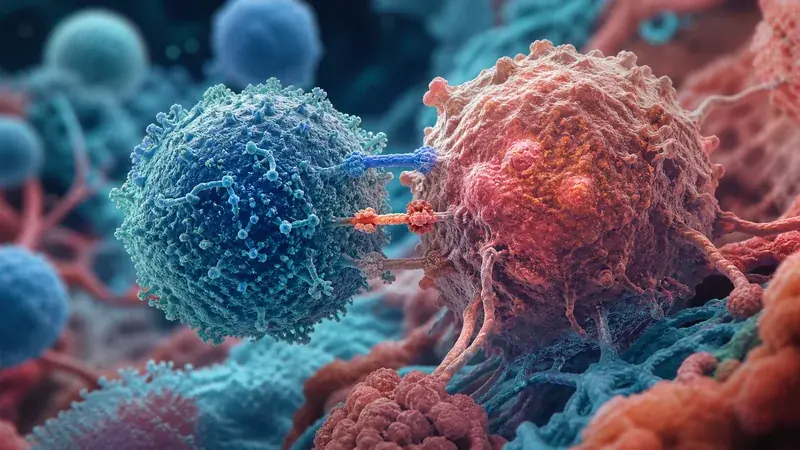
Scientific visualization of a T cell engaging a cancer cell through immune checkpoint interactions
Checkpoint inhibitors can release immune brakes, but the likelihood of response and the risk of immune toxicity vary widely.
Immunotherapy support consultation

Support Immunotherapy Without Undermining Oncology Care

Immune-related side effects can become serious quickly. Tell us which immunotherapy you receive, when symptoms began and what your oncology team has advised so the right next step is clear.

  • The exact drug, treatment cycle and symptoms are reviewed
  • Possible immune-related toxicity is directed promptly to oncology care
  • Call now for an immediate response from our Patient Care Team
Call 1-800-923-7878 →
Immunotherapy support consultation

Speak With Our Patient Care Team

Share the immunotherapy name, diagnosis, treatment timing and any current symptoms.

* Required fields
Prefer to speak with someone now?
1-800-923-7878
  • The exact drug, treatment cycle and symptoms are reviewed
  • Possible immune-related toxicity is directed promptly to oncology care
  • Questions before scheduling are always welcome
Immunotherapy · Key Points

What Patients Should Know First

Major Advance

Some responses can be deep and durable

For selected cancers and patients, immunotherapy can produce long-lasting control, including after other treatments have failed.

Not Universal

Many patients do not respond

Cancer type, stage, prior treatment, tumor biology and biomarkers all influence whether a specific therapy is appropriate.

Biomarkers

Testing may change the plan

PD-L1, MSI/MMR, tumor mutational burden and tumor-specific alterations can help guide checkpoint inhibitor use.

Safety

Side effects are different from chemotherapy

An activated immune system can inflame healthy organs, sometimes during treatment and sometimes after it ends.

Treatment Types

“Immunotherapy” Is Not One Treatment

Checkpoint Inhibitors

PD-1, PD-L1 and CTLA-4

These drugs block signals that restrain T cells. They are approved across many cancers, alone or in combinations.

Cellular Therapy

CAR T, TIL and other T-cell approaches

Immune cells are collected and expanded or engineered. Current approvals are strongest in blood cancers, while solid-tumor research is growing.

Antibodies & Vaccines

Targeted immune recognition

Some antibodies mark or engage cancer cells; treatment vaccines aim to generate a tumor-specific immune response.

Immune Modulators

Cytokines and nonspecific stimulation

These may activate immune pathways more broadly and have distinct indications and toxicities.

General immune support is not automatically cancer immunotherapy

Nutrition, sleep and supportive IVs may help a patient feel or function better, but they do not substitute for a drug or cellular therapy proven to act against a specific cancer.

Precision Selection

Biomarkers Can Identify Opportunities—Not Guarantees

PD-L1 expression may guide treatment in several cancers, but test method, cutoff and cancer type matter. MSI-high or mismatch-repair-deficient tumors can respond to checkpoint inhibitors across tumor origins. Tumor mutational burden and selected viral or molecular features may also be relevant.

A negative biomarker does not always rule immunotherapy out, and a positive biomarker does not guarantee response. The result has to be interpreted with histology, stage, treatment line and the exact approved indication.

Immune-Related Adverse Events

New Symptoms Need Early Attention

Oncology physician reviewing cancer immunotherapy biomarkers and scan results with a patient
Biomarkers help select therapy, while symptom awareness and laboratory monitoring help identify immune-related toxicity.
  • New diarrhea, abdominal pain or blood in stool
  • Cough, shortness of breath or chest pain
  • Severe rash, blistering or mucosal changes
  • Headache, vision change, marked fatigue or dizziness
  • Jaundice, dark urine or significant laboratory changes
  • Weakness, numbness, confusion or other neurologic symptoms

Prompt evaluation matters because immune toxicity may worsen rapidly and can require corticosteroids or other immunosuppression. Do not “push through” new symptoms or try to suppress them with supplements alone.

Integrative Oncology

Support the Patient Without Guessing at the Immune System

Integrative care can focus on nutrition, strength, sleep, stress, pain and treatment tolerance. Every herb, supplement and IV should be reviewed for product quality, organ effects and possible interactions. “More immune activity” is not always better during checkpoint therapy.

Laboratory research suggests high-dose vitamin C may interact with antitumor immunity, including checkpoint therapy in animal models, but this has not established a clinical combination benefit. It should be presented as a research question, not a proven enhancer.

Individualized Review

Questions That Shape an Immunotherapy Plan

Cancer Context

Is there an approved indication?

Histology, stage, biomarker, prior therapy and treatment line define the evidence.

Autoimmune History

Is the immune system already dysregulated?

Autoimmune disease, transplant history and immunosuppressive treatment require individualized risk assessment.

Baseline Function

What symptoms already exist?

Document bowel, lung, skin, endocrine, liver and neurologic status so new changes are recognized.

Combination Plan

What else is being given?

Chemotherapy, radiation, targeted therapy, supplements and IVs may change both benefit and toxicity.

Sunridge Medical Approach

Connect Precision Treatment With Whole-Person Support

Patients may come to Sunridge before immunotherapy, while receiving it, after progression or while recovering from side effects. The goal is to understand the exact oncology plan and support the person without confusing supportive care with the anticancer treatment itself.

  • Review pathology, biomarkers, scans and prior response
  • Identify the exact immunotherapy and approved treatment goal
  • Coordinate supplements, IVs and symptom strategies with oncology
  • Monitor nutrition, strength, sleep, pain and daily function
  • Escalate possible immune toxicity promptly
Frequently Asked Questions

Cancer Immunotherapy Questions

Is immunotherapy a proven cancer treatment?

Yes, specific immunotherapies are FDA-approved for specific cancers and settings. “Immune boosting” products are not equivalent to those treatments.

Which cancers can be treated with immunotherapy?

Approved uses include many lung, melanoma, kidney, bladder, head-and-neck, breast, colorectal, blood and other cancers. Eligibility depends on the exact diagnosis and indication.

What are checkpoint inhibitors?

They block inhibitory signals such as PD-1, PD-L1 or CTLA-4, allowing T cells to respond more strongly against cancer.

Does everyone respond?

No. Some responses are durable, but many patients do not respond or later develop resistance.

Which biomarkers matter?

PD-L1, MSI/MMR and tumor mutational burden are common examples, but their use varies by cancer and drug.

Are immunotherapy side effects mild?

Not always. Immune-related inflammation can affect the skin, bowel, lungs, liver, endocrine glands, heart, nerves and other organs.

Can side effects occur after treatment ends?

Yes. Immune-related adverse events can appear during therapy or after the last dose, so new symptoms should still be reported.

Can supplements boost immunotherapy?

No supplement has been proven broadly to improve checkpoint inhibitor outcomes. Products and combinations require case-specific review.

Can IV vitamin C enhance immunotherapy?

Preclinical research is interesting, but human clinical benefit as an immunotherapy enhancer has not been established.

Can Sunridge support me during immunotherapy?

Yes. A consultation can review biomarkers, the oncology plan, symptoms, nutrition, supplements, IVs and coordination needs.

Considering Immunotherapy or Managing Its Effects?

Bring the Biomarkers, the Treatment Plan and the Whole Patient Together

Our Patient Care Team can help determine which records are needed for a physician-directed review of immunotherapy options, supportive care, supplements, IVs and quality-of-life concerns.

Scottsdale Clinic

14200 N Northsight Blvd #160
Scottsdale, Arizona 85260

Office Hours

Monday–Friday: 9:00 AM–5:00 PM
Saturday: 9:00 AM–12:00 PM

Visit Sunridge in Scottsdale

FREE INTRODUCTORY CALL

Speak With Our Patient Care Team

Tell us what you are facing. There is no charge to speak with our Patient Care Team, understand how Sunridge works and determine whether a physician consultation may be an appropriate next step.

Call Now: 1-800-923-7878

This introductory call is not a medical consultation and does not establish a physician-patient relationship.

Have a Question or Share Feedback:
It's easy to get in touch with us