

A 52-year-old patient from the Phoenix area has finished standard cardiac care but still feels unusually tired. A friend mentions ozone therapy in Scottsdale, and the patient starts searching for major autohemotherapy Scottsdale, unsure whether it's a legitimate medical procedure, a wellness trend, or a replacement for conventional treatment.
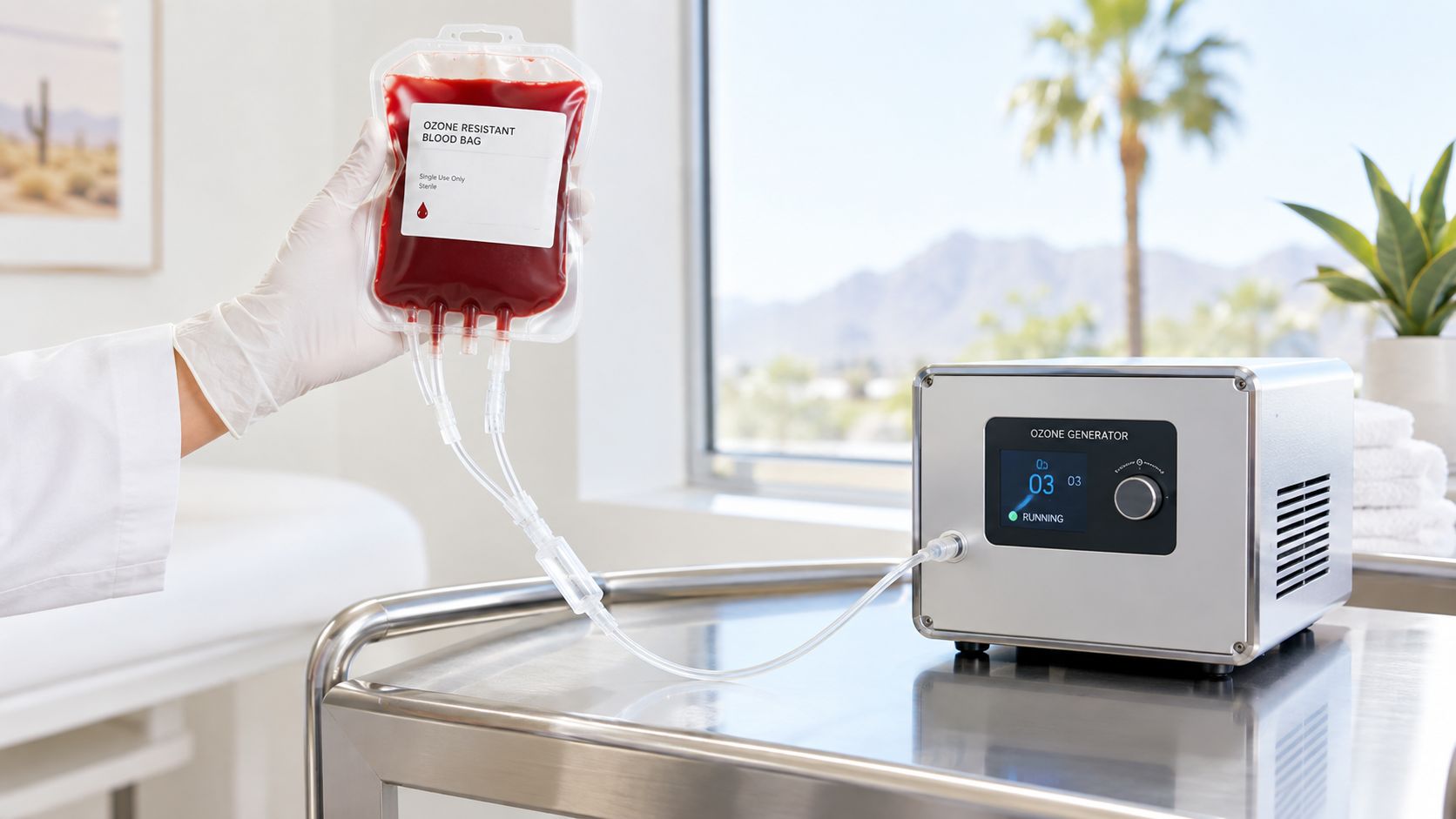
That uncertainty is reasonable. Major autohemotherapy, or MAH, is a systemic ozone-delivery procedure in which a measured amount of your blood is withdrawn, exposed outside the body to a controlled oxygen-ozone mixture, and returned through an intravenous line. It isn't a hormone replacement and it doesn't target one diagnosis in the way an antibiotic or cardiac medication does. The intended effect is closer to tuning a signaling system, using a controlled redox stimulus that may influence antioxidant, inflammatory, and cellular pathways.
Patients in Scottsdale, Phoenix, Paradise Valley, Tempe, Mesa, Chandler, Gilbert, and the wider Phoenix metropolitan area ask about MAH for post-viral symptoms, chronic inflammatory pain, Lyme or tick-borne illness, mold-related concerns, and supportive care during cancer treatment. Those interests don't make the procedure appropriate for everyone, and they don't turn preliminary evidence into established treatment.
The most useful questions come before the first infusion: What screening is needed? How is the dose selected? What evidence applies to my condition? Who supervises the procedure, and how will we know whether it's helping?
Table of Contents
- Why Patients in Scottsdale Are Asking About Major Autohemotherapy
- How Major Autohemotherapy Actually Works
- What the Evidence Really Shows About MAH
- Safety, Contraindications, and Screening That Matter Most
- Comparing MAH With Other Ozone and Integrative Options
- What a Treatment Course Looks Like and How Sunridge Medical Coordinates It
- How to Evaluate Any Scottsdale MAH Provider
- Cost, Logistics, and Next Steps for Phoenix-Metro Patients
Why Patients in Scottsdale Are Asking About Major Autohemotherapy
The Phoenix-area patient in the opening example may be looking for something that complements standard care, not something that replaces it. After cardiac evaluation and treatment, persistent fatigue can still have many possible contributors, including sleep problems, anemia, medication effects, thyroid disease, deconditioning, or another condition that needs conventional assessment. MAH should enter that conversation only after those possibilities and urgent symptoms have been considered.
Scottsdale has an active integrative-medicine market where ozone services, including MAH, are offered. A Phoenix and Scottsdale ozone therapy service page describes MAH as mixing a small amount of a patient's blood with medical-grade ozone and returning it through an IV drip. Current and archival listings also reference Scottsdale providers associated with ozone therapy and major ozone autohemotherapy, including a Scottsdale address at 8698 E San Alberto, Scottsdale, AZ 85258, and a practice on McDonald Drive that identified a specialty in “Major Ozone Authohemotherapy.”
What patients hope to address
People commonly bring MAH into discussions about:
- Post-viral syndromes, especially lingering fatigue or reduced exercise tolerance.
- Chronic inflammatory pain, where the patient is already considering rehabilitation, medication, injections, or other integrative approaches.
- Lyme and mold-related illness, often alongside a broader diagnostic review.
- Integrative oncology support, where conventional cancer treatment remains central and any adjunct requires coordination with the oncology team.
The clinical question isn't whether ozone sounds biologically interesting. It's whether a physician can explain the proposed role, identify risks, select a defensible protocol, and define a stopping point if the patient doesn't improve.
Practical rule: A treatment deserves more scrutiny when its marketing language is broader than the evidence for the patient's actual condition.
MAH has a long history as an ozone modality, but its evidence remains mixed and indication-specific. The procedure may be worth discussing in an integrative consultation, yet a consultation should end with informed choice, not pressure to purchase a package.
How Major Autohemotherapy Actually Works
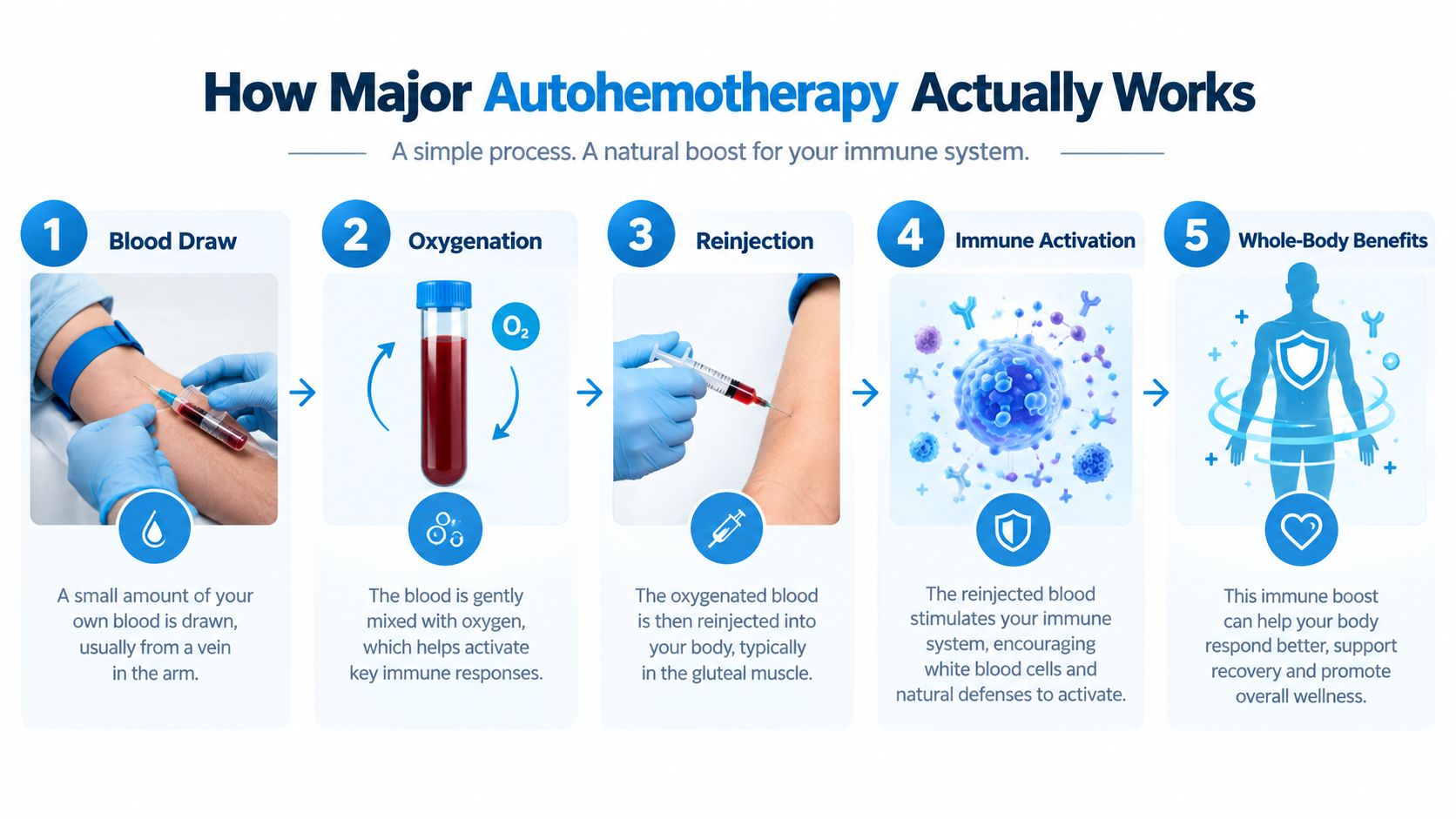
MAH is easiest to understand as a controlled blood-processing procedure. The patient's blood is exposed to ozone outside the body, where the gas reacts rapidly with blood components before the treated blood is reinfused.
The broad sequence looks like this:
- A clinician places an IV and withdraws a defined volume of venous blood into a sterile, ozone-resistant collection system.
- A medical ozone generator produces an oxygen-ozone mixture at a selected concentration.
- The gas is introduced into the blood collection bag and mixed under controlled conditions.
- Ozone reacts with plasma components, creating short-lived signaling products.
- The treated blood is returned through the IV while the patient remains supervised and monitored.
A review describes MAH as the most common systemic ozone route and defines it as withdrawing a defined volume of venous blood, exposing it to a controlled oxygen-ozone mixture, and reinfusing it through the patient's IV. The Sunridge Medical ozone therapy page provides local context for patients researching this procedure in Scottsdale.
Why dose selection matters
The mechanism is not just “more oxygen equals more benefit.” Ozone reacts with plasma polyunsaturated fatty acids and generates hydrogen peroxide and lipid ozonation products. These intermediates can act as short- and longer-lived messengers associated with pathways such as Nrf2, which supports antioxidant and cytoprotective responses, and NF-κB, which participates in inflammatory signaling.
A useful analogy is a thermostat. A carefully chosen adjustment may change the room's behavior without creating a dangerous temperature. Turning the setting to maximum isn't a better version of the same intervention. MAH is intended as a preconditioning signal, so the concentration and total gas dose matter more than chasing the highest generator setting.
Patients may hear “major” and “minor” autohemotherapy used interchangeably, but they aren't the same procedure. MAH uses a larger blood volume and reinfuses the treated blood intravenously. Minor autohemotherapy uses a smaller blood sample, often with additional processing such as ultraviolet exposure, and has a different proposed use and protocol. Systemic routes also differ from local ozone applications, which are directed toward a particular body area rather than circulated through reinfused blood.
Some clinicians discuss multiple-pass protocols, in which blood is processed repeatedly at lower concentrations. That approach reflects a dosing philosophy, not proof that one protocol works for every patient. MAH should be performed with physician oversight, calibrated equipment, sterile single-use supplies, and active monitoring throughout the session.
What the Evidence Really Shows About MAH
The evidence is more complicated than either “ozone cures everything” or “there is no research.” The historical record is substantial, but the quality and relevance of studies vary by condition, route, protocol, and outcome.
A review by the International Scientific Committee of Ozone Therapy summarized more than 11,000 systemic ozone treatments in MAH form across 577 patients in clinical studies. Its largest reported cohorts included 206 patients with vascular inflammatory disease and arterial circulatory disturbances, 203 patients with chronic hepatitis, and 122 patients with chronic inflammation and immune deficiency. The same review reported statistically significant improvement in clinical and biochemical parameters and no side effects in those studies. An evidence-classification summary identified 12 MAH studies with 657 ozone-treated patients meeting randomized or controlled-trial evidence levels.
Those figures show that MAH is historically established and quantitatively studied. They don't establish that it treats every chronic condition, and they don't resolve questions about long-term outcomes, ideal dosing, or applicability to an individual Scottsdale patient.
Evidence depends on the indication
Recent literature continues to examine systemic ozone applications. A 2026 meta-analysis on herpes zoster-associated pain reported improvements in inflammatory markers, quality of life, mood, and pain-related outcomes, with a good safety profile. That is an emerging signal, not universal proof for MAH across all conditions. A separate 2026 review of systemic ozone applications reflects continued publication activity, while evidence for post-COVID syndrome and other uses remains uneven.
| Indication | Evidence strength | Typical study type |
|---|---|---|
| Selected pain conditions | More supportive, but still protocol-dependent | Small randomized or observational human studies |
| Wound-healing applications | Supportive in selected settings | Clinical studies and adjunctive treatment reports |
| Post-herpetic or herpes zoster-associated pain | Emerging recent support | Meta-analysis and clinical literature |
| Post-COVID symptoms | Preliminary and evolving | Early clinical studies and reviews |
| Autoimmune disease | Limited and indication-specific | Small studies and mechanistic research |
| Cancer outcomes | Insufficient to treat cancer itself | Adjunctive and exploratory literature |
The key distinction is between adjunctive symptom support and disease treatment. MAH shouldn't replace antibiotics, antivirals, surgery, chemotherapy, radiation, cardiac care, or another indicated therapy. Patients should also ask whether a cited study used MAH specifically, rather than topical ozone, rectal insufflation, or another route.
Sunridge Medical's clinical guide to ozone therapy for chronic infections can help frame questions, but a clinic's educational material shouldn't substitute for individualized medical review. Ask what outcome will be measured, how long the trial will last, and what would lead the clinician to stop.
Safety, Contraindications, and Screening That Matter Most
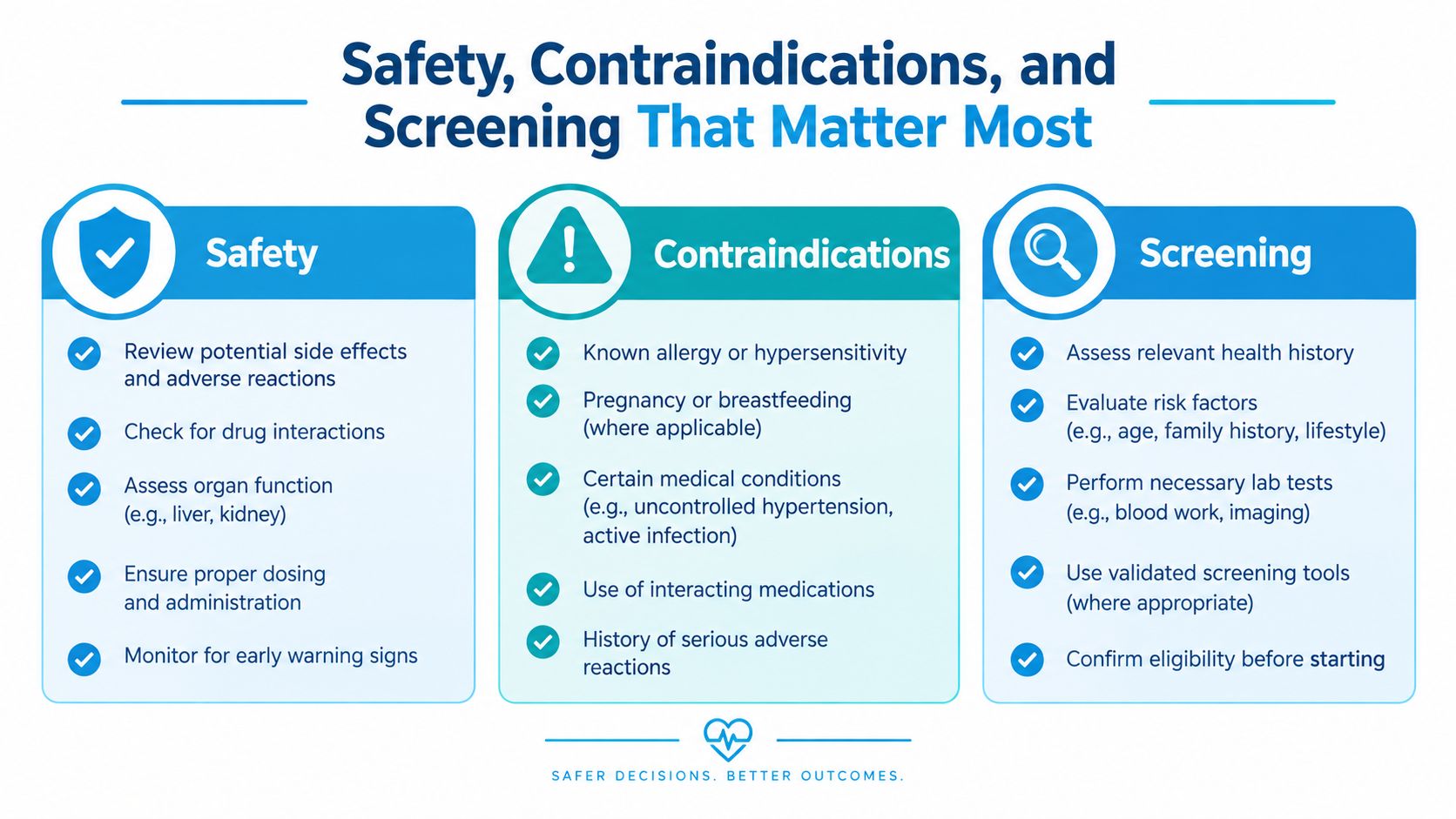
MAH's proposed benefit and its potential risk come from the same basic feature, a controlled oxidative stimulus. That stimulus may act as a signal under selected conditions, but a patient with impaired antioxidant defenses, unstable cardiovascular disease, or another contraindication may respond poorly.
The most important screening issue is G6PD deficiency. G6PD helps protect red blood cells from oxidative injury, so a deficiency can increase risk when oxidative therapies are considered. A baseline G6PD enzyme assay is therefore a reasonable question for any patient discussing MAH.
Other commonly cited contraindications and cautions include:
- G6PD deficiency, which requires specific medical assessment before treatment.
- Untreated hyperthyroidism, active uncontrolled bleeding, pregnancy, or a relevant ozone sensitivity history.
- Recent myocardial infarction or stroke, or current cardiovascular instability.
- Anticoagulant therapy, severe anemia, uncontrolled seizures, or complex bleeding risk.
- Active malignancy, unless the patient's oncologist has reviewed the plan and the treating physician has established appropriate coordination.
These categories shouldn't be handled with a checkbox alone. A patient taking anticoagulants may need a different risk discussion from someone who isn't. A patient with cancer may need coordination around blood counts, treatment timing, vascular access, hydration, and the goals of supportive care.
Screening questions worth asking
Before committing, ask whether the clinic reviews:
- G6PD status, preferably with an enzyme assay when clinically appropriate.
- CBC results, including hemoglobin and platelet information relevant to blood withdrawal and bleeding risk.
- A metabolic panel, interpreted in the context of kidney, liver, and electrolyte status.
- Cardiovascular history, including recent events, unstable symptoms, blood-pressure concerns, and exercise tolerance.
- Every medication and supplement, including anticoagulants, antiplatelet drugs, thyroid medicines, and seizure therapies.
- Pregnancy status where relevant, and the patient's cancer history or current oncology plan.
Protocols may describe concentration using units such as micrograms per milliliter or gamma. The label matters less than whether the clinician explains the actual concentration, treated blood volume, total gas dose, and reason for selecting them.
A clinic that skips screening, minimizes informed consent, or promises a cure deserves caution. The ozone therapy side-effects information should be part of a broader clinician discussion, not a substitute for one.
Comparing MAH With Other Ozone and Integrative Options
MAH is one tool in a larger integrative-care toolkit. The right choice depends on the clinical goal, IV access, risk profile, tolerance, cost, and whether the patient needs a systemic or local approach.
Rectal ozone insufflation avoids venipuncture and may be easier logistically, but it delivers ozone through a different route and shouldn't be treated as interchangeable with MAH. Minor autohemotherapy uses a smaller blood volume and may include ultraviolet exposure, creating a distinct protocol. Direct intravenous ozone is a separate approach with a different risk profile and is uncommon in U.S. practice.
Hyperbaric oxygen therapy works through pressure-driven oxygen exposure rather than an ozone-mediated oxidative signal. An IV nutrient infusion, such as a Myers cocktail, is designed around nutrient delivery and repletion, not the same redox mechanism. Patients may also hear about PEMF, targeted nutraceuticals, glutathione, or other adjuncts. Combining therapies can increase complexity, so the clinician should explain why each one is included.
| Modality | Route and dose | Session time | Best fit |
|---|---|---|---|
| MAH | Blood withdrawn, exposed to controlled ozone, then reinfused | Often a monitored IV visit | Patients being considered for a defined systemic ozone protocol |
| Rectal ozone | Ozone delivered through the rectal route | Usually simpler logistics | Patients for whom IV access is difficult or a non-IV route is being considered |
| Minor autohemotherapy | Smaller blood volume with protocol-specific processing | Generally shorter than MAH | Selected patients discussing an alternative blood-based approach |
| Direct IV ozone | Ozone introduced directly into the vascular system | Protocol-dependent | Not a routine U.S. option and requires careful risk discussion |
| Hyperbaric oxygen | Pressurized oxygen environment | Facility and protocol dependent | Patients being evaluated for pressure-based oxygen therapy |
| IV nutrient therapy | Nutrients delivered intravenously | Infusion-dependent | Patients with a defined nutrient or supportive-care rationale |
MAH is often selected when a clinician wants a defined systemic blood-based protocol and the patient can tolerate a supervised IV session. It isn't automatically superior to a less invasive route. The useful comparison is clinical, not promotional.
What a Treatment Course Looks Like and How Sunridge Medical Coordinates It
A responsible MAH plan begins before the infusion chair. The clinician reviews symptoms, diagnoses, medications, prior records, laboratory results, and treatment goals. If the patient has no recent relevant labs, the clinic should explain which tests are needed and why.
A typical visit may include:
- Pre-visit review: Medical history, medication reconciliation, relevant laboratory testing, and a candidacy discussion.
- Arrival assessment: Vital signs, hydration status, current symptoms, and confirmation that nothing has changed since the consultation.
- Blood collection: A measured volume of venous blood, often described in MAH literature as roughly 200 mL, is withdrawn into an appropriate sterile collection system. The MAH procedure review describes this approximate volume and the signaling chemistry involved.
- Controlled exposure: The clinician introduces a selected oxygen-ozone mixture and documents the protocol rather than relying on a generic generator setting.
- Reinfusion and recovery: The treated blood returns through the IV, followed by observation, hydration guidance, and instructions for contacting the clinic if symptoms develop.
Session timing varies by protocol and patient tolerance. The procedure is often described as a 30 to 45-minute IV experience, but the appointment may take longer when screening, venous access, collection, reinfusion, and recovery are included.
Planning the course
Some integrative protocols use an induction phase of several visits followed by reassessment and possible maintenance. The exact cadence should be individualized rather than presented as a universal prescription. A meaningful plan identifies the symptom or function being tracked, the time point for review, and the conditions under which the course will be modified or stopped.
Aftercare commonly includes light activity, hydration, and attention to transient fatigue, warmth, lightheadedness, or IV-site discomfort. New chest pain, severe shortness of breath, fainting, significant bleeding, or another urgent symptom requires prompt medical attention rather than waiting for the next appointment.
For Phoenix-metro patients, coordination may include reviewing records before arrival, ordering labs in advance, grouping appointments when clinically appropriate, and arranging follow-up after the initial session. Patients traveling to Scottsdale should ask how the clinic handles changes in symptoms, lab review, and communication with their local physician.
How to Evaluate Any Scottsdale MAH Provider
Treat provider selection as a screening process that you run on the clinic. A polished treatment room and confident marketing language can't answer the questions that determine safety.
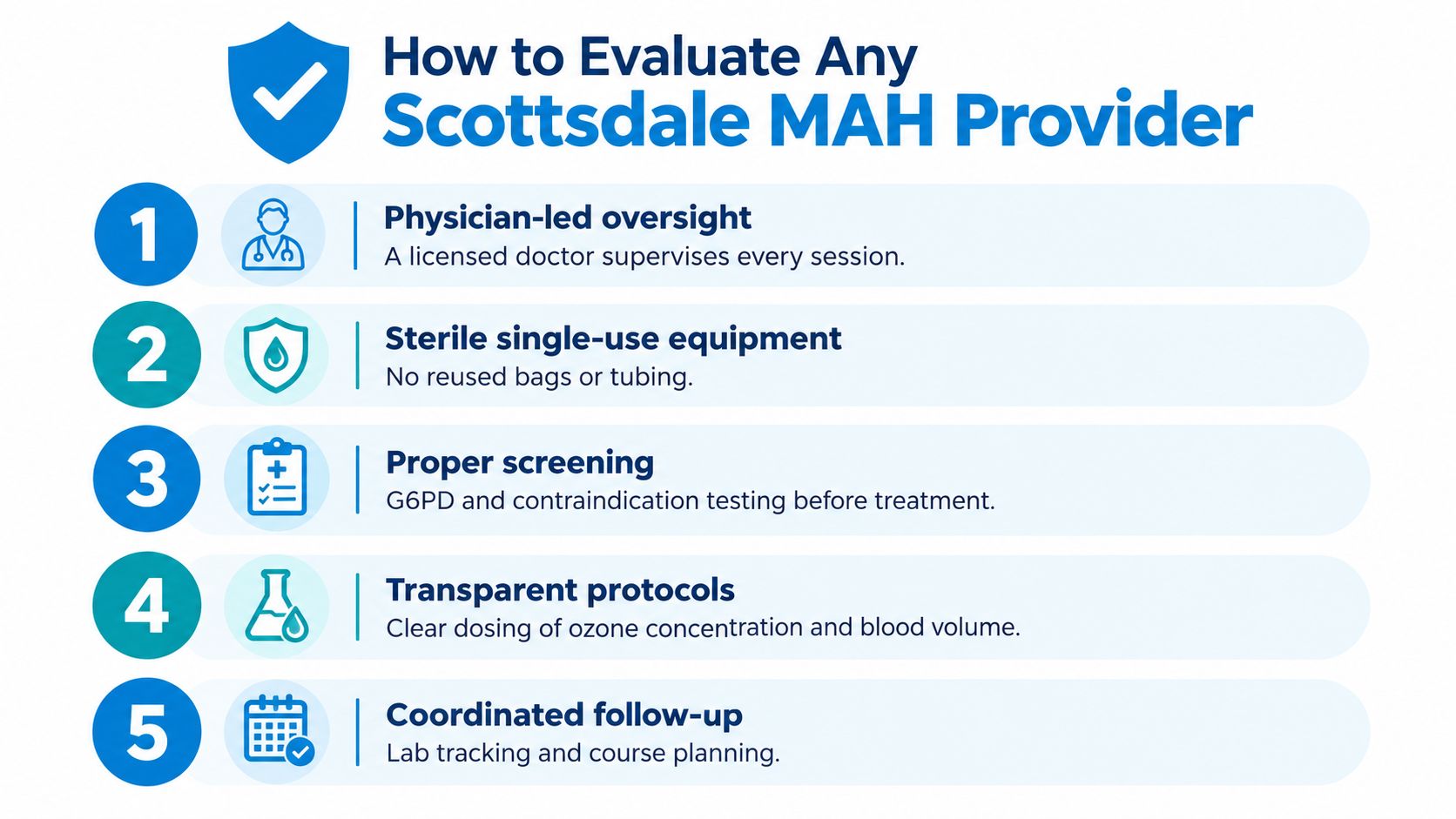
Start with physician-led oversight. Ask who evaluates you, who selects the dose, who is physically responsible during treatment, and what training that clinician has in ozone procedures and integrative medicine. A trained staff member may support the session, but a qualified physician should remain accountable for medical decisions.
A practical provider checklist
- Written screening protocol: The clinic should explain its approach to G6PD deficiency, CBC and metabolic testing, cardiovascular review, pregnancy testing where relevant, medication reconciliation, and cancer-status discussion.
- Transparent dosing: Ask for the planned blood volume, ozone concentration, total gas dose, and the reason those parameters fit your health history.
- Calibrated equipment: The clinic should be willing to identify the medical ozone generator and explain how concentration is measured and documented.
- Sterile supplies: Blood bags, tubing, needles, and related equipment should be sterile and single-use.
- Informed consent: Consent should cover risks, alternatives, uncertainty, and the fact that ozone isn't an established treatment for every diagnosis.
- Emergency readiness: Ask what happens if you become hypotensive, develop a reaction, or need urgent transfer. The clinic should have a defined emergency plan and appropriate IV-access capability.
- Outcome tracking: A serious practice should define what it will monitor, such as pain, function, exercise tolerance, laboratory markers, or another goal tied to your condition.
- Care coordination: If you're receiving oncology, cardiology, neurology, infectious-disease, or primary care treatment, the clinic should explain how it will communicate with those clinicians.
The U.S. Food and Drug Administration has classified ozone as a toxic gas with no proven medical utility in specific, adjunctive, or preventive therapy. A critical appraisal of ozone therapy also notes that concentrations required for germicidal effects are incompatible with human safety. That regulatory and scientific context makes transparent consent essential.
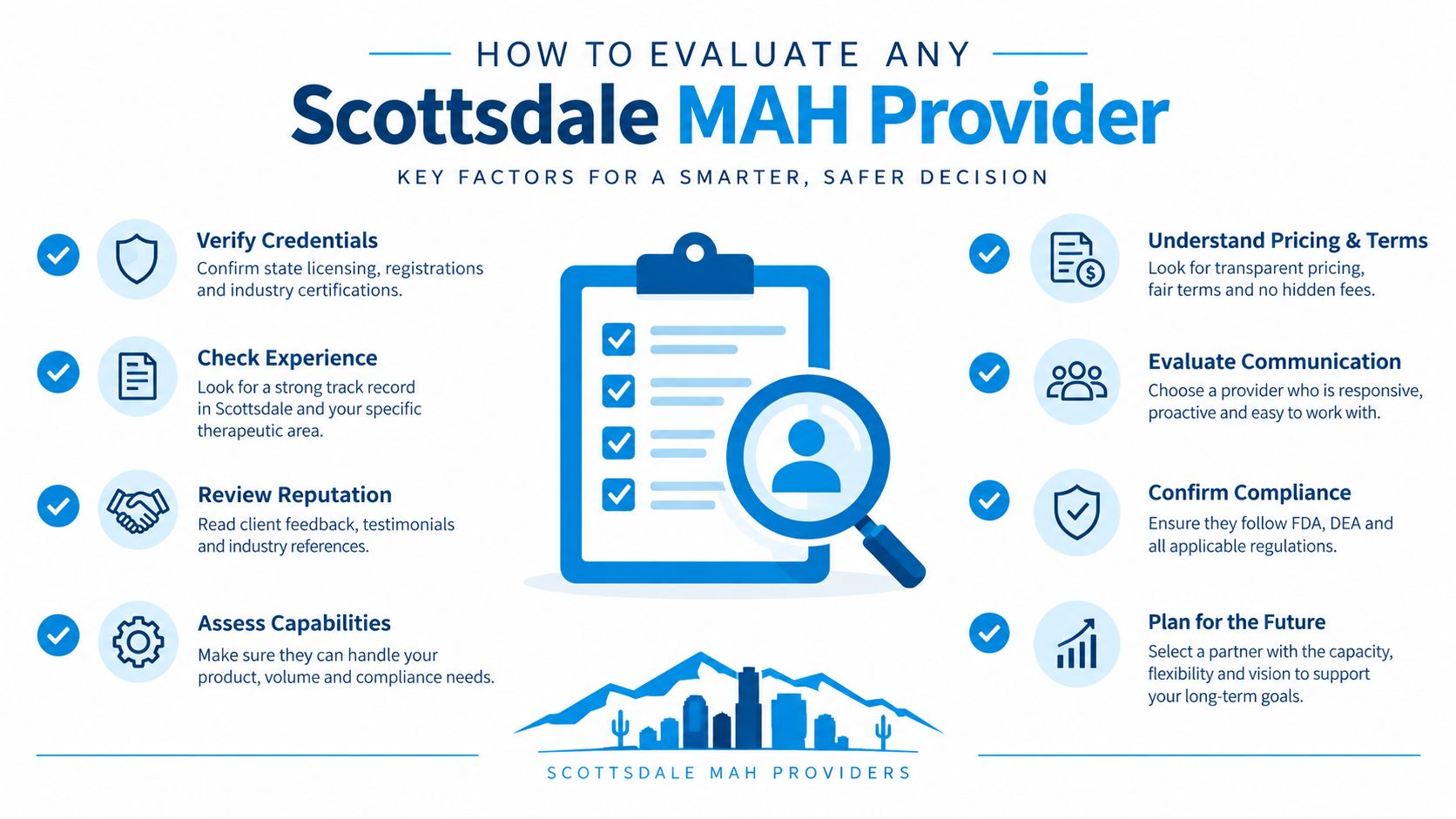
Walk away from a clinic that pressures you into a cash package, offers treatment without appropriate labs, uses identical dosing for every patient, or refuses to discuss equipment and alternatives. A high-integrity Scottsdale practice can explain uncertainty without becoming evasive.
Cost, Logistics, and Next Steps for Phoenix-Metro Patients
The financial side of MAH deserves the same clarity as the medical side. Ozone procedures are often private-pay services, and insurance coverage may be limited or absent because the therapy isn't established as a covered treatment for a specific disease. Ask for a written estimate that separates consultation, laboratory testing, each infusion, supplies, follow-up, and any other therapy included in the plan.
Don't assume a package is automatically a better value. A series may be clinically reasonable for one patient and unnecessary for another, especially if the clinic hasn't established a diagnosis, baseline measures, or a reassessment point. Ask whether standard laboratory work may be billed through insurance, whether HSA or FSA funds could apply under your plan, and which expenses are definitely not covered. Confirm these details with the insurer or account administrator rather than relying on a clinic's general statement.
Planning your visits
Phoenix-metro patients should prepare for more than the infusion itself:
- Before booking: Gather medication lists, relevant imaging, prior laboratory results, oncology or specialist notes, and a concise timeline of symptoms.
- Before treatment: Complete the recommended screening, clarify the protocol, and disclose anticoagulants, supplements, allergies, pregnancy possibility, and recent procedures.
- On visit days: Follow the clinic's instructions about food, fluids, transportation, and activity. Don't arrive dehydrated or omit important medications without medical direction.
- If traveling: Plan access from Phoenix Sky Harbor, allow time for recovery, and ask whether consultations or lab reviews can occur before you arrive in Scottsdale.
A sensible sequence is simple: request a records review, schedule an integrative consultation, complete the appropriate screening, and decide only after the clinician explains expected benefits, uncertainties, alternatives, and follow-up. The Sunridge Medical patient information page can help prospective patients begin that process.
Sunridge Medical offers physician-guided integrative evaluation in Scottsdale for patients considering MAH alongside care for cancer, chronic infections, autoimmune illness, or other complex conditions. Visit Sunridge Medical to discuss your history, confirm whether a consultation is appropriate, and learn what screening and care coordination would be needed before making a decision.