
Approximately 95% of the global adult population carries the Epstein-Barr virus, yet for a significant number of individuals, the virus doesn’t remain a silent passenger. In 2026, we’re seeing an increasing number of patients who face a cycle of chronic reactivation, leading to persistent, unexplained exhaustion that standard medical models often fail to address. If you’ve been dismissed by conventional physicians or fear that the virus is causing long-term autoimmune damage, your frustration is valid. You aren’t just tired; your immune system is navigating a complex biological hurdle that requires more than a standardized approach to care.
Finding a path forward requires a shift in perspective. Treating Epstein-Barr virus naturally isn’t about a single supplement or a generic wellness trend. It’s about a sophisticated, integrative approach that identifies the underlying mechanisms of your unique immune dysfunction. This clinical guide explores how advanced protocols and natural immune modulation can help you regain control. We will provide a clear roadmap to help reduce viral reactivation and restore your energy levels through a precision-based recovery strategy. By moving beyond basic labs, you can finally discover the scientific guidance necessary to achieve a lasting restoration of your well-being.
Key Takeaways
- Understand why standard screenings often miss chronic reactivation and how advanced diagnostics reveal the underlying immune dysfunction conventional tests ignore.
- Explore the science of viral evasion, specifically how EBV utilizes B-lymphocytes and molecular mimicry to bypass the immune system and potentially trigger autoimmune damage.
- Evaluate the efficacy of common supplements versus clinical-grade interventions when treating Epstein-Barr virus naturally through targeted oxidative and nutrient therapies.
- Learn why a successful recovery roadmap must address co-infections and environmental triggers that often complicate the management of chronic viral loads.
- Discover how individualized, physician-led protocols provide a structured path toward restoring energy levels and achieving long-term immune stability in 2026.
Why Standard Medicine Often Misses Reactivated Epstein-Barr Virus
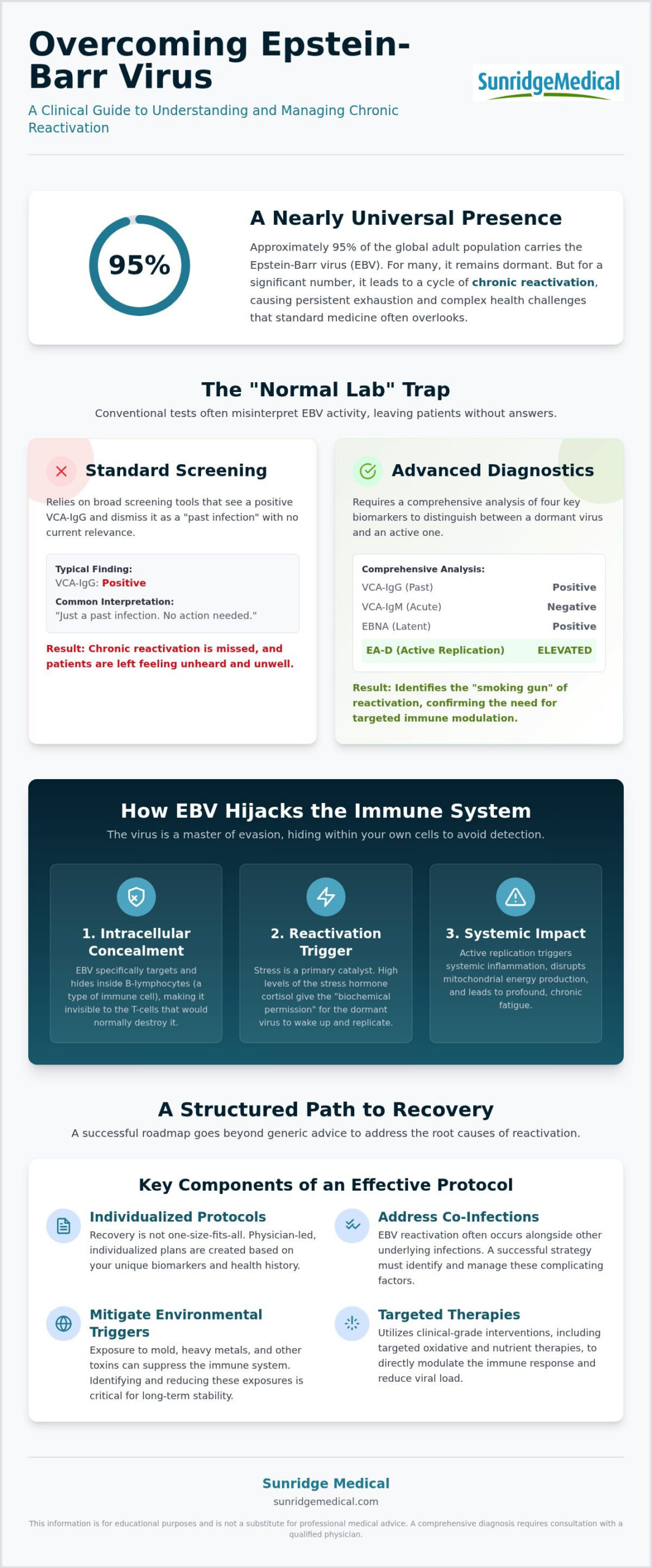
The Epstein-Barr virus (EBV) is a prominent member of the herpesvirus family, characterized by its unique ability to establish lifelong latency within the human body. Most people encounter the virus during adolescence, resulting in the acute infection known as infectious mononucleosis. Once the initial immune response subsides, the virus doesn’t leave the system. Instead, it retreats into B-lymphocytes, where it can remain dormant for years. The challenge arises when the virus exits this latent state, a process known as chronic reactivation, which often occurs during periods of high stress or immune suppression.
Conventional medical models frequently overlook this reactivation because they rely on broad screening tools that don’t capture the nuances of viral behavior. Many patients find themselves in the “Normal Lab” trap. They present with profound exhaustion and neurological symptoms, yet their blood work shows a positive VCA-IgG. Standard practitioners often dismiss this as a “past infection” with no current clinical relevance. This oversight happens because basic panels don’t always include the specific markers needed to distinguish between a dormant virus and one that is actively replicating. Treating Epstein-Barr virus naturally begins with moving past these surface-level interpretations to understand the true state of your immune system.
Understanding the Biomarkers of EBV Reactivation
Accurate diagnosis requires a comprehensive analysis of four primary biomarkers. In 2026, advanced clinical diagnostics prioritize the relationship between these markers to identify a virus in transition. These include:
- VCA-IgG: Confirms that the body has encountered the virus at some point in the past.
- VCA-IgM: Typically indicates an acute, recent infection, though it can reappear during some reactivations.
- EBNA (Nuclear Antigen): Indicates that the infection has been present for at least several months.
- EA-D (Early Antigen): Signals that the virus is currently in an active state of replication.
Early Antigen is the smoking gun of active viral replication. When EA-D levels are elevated, it provides clear evidence that the virus is no longer latent and is actively taxing the host’s resources. Identifying this marker is a critical step in treating Epstein-Barr virus naturally, as it confirms the need for targeted immune modulation rather than general wellness advice.
The Connection Between EBV and Chronic Fatigue Syndrome
There is a significant clinical overlap between chronic EBV reactivation and Myalgic Encephalomyelitis, or Chronic Fatigue Syndrome (ME/CFS). When the virus reactivates, it doesn’t just cause fatigue; it triggers systemic inflammation and disrupts mitochondrial function. Mitochondria are the energy-producing centers of your cells, and their impairment leads to the “crashing” sensation many patients describe. Utilizing integrative medicine for chronic illness is vital in these cases. This approach addresses the complex overlaps between viral load, cellular health, and the inflammatory environment that allows the virus to persist, offering a more comprehensive path to recovery than standard care.
The Science of Viral Evasion: How EBV Hijacks the Immune System
EBV is a master of biological evasion. Unlike many viruses that the immune system clears effectively, EBV utilizes a strategy of intracellular concealment. It specifically targets and “hides” within B-lymphocytes. Because it resides inside these cells, the virus remains largely invisible to the T-cells that would otherwise destroy it. This sophisticated cloaking mechanism allows the virus to persist indefinitely. For those interested in treating Epstein-Barr virus naturally, understanding this hiding spot is crucial. It explains why simply boosting the immune system isn’t enough; you must address the environment that allows the virus to remain undetected.
Stress acts as a primary catalyst for reactivation. High levels of cortisol provide the “biochemical permission” for the virus to wake up from its latent state. Cortisol effectively dampens the surveillance capabilities of your natural killer cells. When this happens, the virus begins to replicate and release viral proteins into the bloodstream. These proteins can cross the blood-brain barrier, triggering neuro-inflammation. This process often manifests as the debilitating brain fog and cognitive fatigue that patients describe as life-altering. You can find more foundational CDC information on EBV regarding its general symptoms and transmission.
EBV and the Autoimmune Link: Hashimoto’s and Beyond
The virus often employs a tactic known as molecular mimicry. In this scenario, the proteins produced by EBV closely resemble the structure of human tissues, such as the thyroid gland. The immune system, in its attempt to neutralize the virus, accidentally begins to attack these healthy tissues. This is a common pathway for the development of Hashimoto’s thyroiditis. Effective recovery must include hormone therapy for autoimmune disease to stabilize the system while the underlying viral load is managed. Treating Epstein-Barr virus naturally means calming this over-reactivity to prevent further self-attack.
The Role of Cytokines in EBV Symptoms
Cytokines are the chemical messengers the immune system uses to coordinate a defense. In chronic EBV cases, the body remains in a state of perpetual alarm, leading to a “cytokine storm.” This sustained production of inflammatory markers causes the “sickness behavior” frequently associated with the virus, including body aches and depression. Lowering this cytokine burden is a primary goal of integrative therapy. If you’re struggling with these symptoms, a comprehensive clinical evaluation can help identify the specific inflammatory markers driving your exhaustion.
Comparing Home-Based Natural Remedies to Advanced Clinical Protocols
Many patients begin their journey of treating Epstein-Barr virus naturally by exploring oral supplements. Common choices include Monolaurin, L-Lysine, and Cat’s Claw. Monolaurin is frequently utilized for its potential to disrupt the fatty protective envelope of the virus, while Cat’s Claw is valued for its immune-modulating properties. However, these substances often fall short for individuals facing a deeply entrenched viral load. The primary limitation is oral absorption; when the gut is compromised by chronic inflammation or systemic infection, these nutrients cannot reach the therapeutic concentrations in the bloodstream required for a significant clinical shift. While these remedies serve as helpful supportive tools, they rarely provide the biological force needed to reset a hijacked immune system.
In our 2026 clinical environment, we utilize bio-energetic testing alongside advanced diagnostics to gain a more comprehensive picture of patient health. Standard blood work identifies the presence of antibodies, but it doesn’t always explain why the body’s natural defenses have failed to maintain viral latency. Bio-energetic assessments help identify specific cellular stressors and regulatory blockages that standard panels often miss. This allows for a customized protocol that moves beyond the “one-size-fits-all” approach of basic supplement regimens, providing a scientific guide for those who feel stuck in their recovery process.
The Power of Targeted Intravenous Therapy
Bypassing the digestive tract is often a clinical necessity for those facing profound, life-altering exhaustion. Utilizing iv therapy for autoimmune disease ensures that high-potency nutrients are delivered directly to the cellular level where they are needed most. We employ intravenous Vitamin C at specific dosages where it acts as a pro-oxidant, creating an environment that is hostile to viral replication without harming healthy tissue. To support the central nervous system and address neuro-inflammation, we integrate glutathione. This master antioxidant provides essential neuro-protection and facilitates the detoxification of viral byproducts that contribute to systemic fatigue.
Oxidative Medicine and Viral Load Reduction
Advanced recovery protocols frequently feature oxidative medicine, such as ozone therapy or Ultraviolet Blood Irradiation (UBI). These therapies stimulate the immune response by inducing a hormetic effect, which is a controlled biological stress that prompts the body to upregulate its own antioxidant and antiviral defenses. This approach differs significantly from conventional antivirals like Acyclovir, which only focus on inhibiting viral DNA synthesis. By improving the biological terrain and strengthening the host’s internal environment, oxidative treatments help the body regain its natural ability to keep EBV in a state of latency. This multi-faceted strategy is a cornerstone of treating Epstein-Barr virus naturally at a clinical level.
A Clinical Step-by-Step Guide to Managing EBV Naturally
Recovery from chronic viral reactivation is not a linear event; it’s a methodical process of reclaiming biological territory. A structured clinical roadmap is essential for those who have spent years in a cycle of relapse and temporary improvement. By addressing the layered complexities of the immune system, treating Epstein-Barr virus naturally becomes a predictable journey toward restoration rather than a series of trial-and-error experiments. This process requires a steady hand and a deep understanding of how the virus interacts with your unique physiology.
- Step 1: Advanced Diagnostic Testing. We move beyond basic screenings to evaluate the full spectrum of viral activity and immune function, identifying the specific markers that indicate reactivation.
- Step 2: Addressing Co-Infections. EBV rarely acts alone. It’s imperative to consult with lyme disease specialists to ensure that underlying bacterial infections aren’t the primary drivers of your immune suppression.
- Step 3: Mitochondrial Support. The virus hijacks cellular energy plants, leading to profound, systemic exhaustion. We utilize targeted nutrients to restore mitochondrial respiration and ATP production at a cellular level.
- Step 4: Immune Modulation. Instead of simply “boosting” the system, we use natural biologics to retrain T-cell responses. This helps the body regain its natural surveillance capabilities and keep the virus in a latent state.
- Step 5: Environmental Detoxification. Removing heavy metals and mold toxins is critical. These substances act as “immune anchors” that prevent the body from maintaining viral latency and achieving a full recovery.
Dietary Foundations for Anti-Viral Success
Nutrition serves as the daily biochemical signal to your immune system. A clinical anti-viral diet focuses on a low-arginine approach, as this specific amino acid is a primary fuel source for viral replication within the herpesvirus family. Balancing this with high-lysine foods can naturally inhibit the virus’s ability to proliferate. Maintaining blood sugar stability is equally vital; insulin spikes can trigger inflammatory cascades that weaken immune surveillance. Patients must also remain vigilant about “stealth” triggers, such as mold-contaminated grains or nuts, which can place an additional burden on an already taxed system.
Lifestyle and Nervous System Regulation
True recovery requires a fundamental shift in how you interact with your physical limits. Pushing through exhaustion often leads to Post-Exertional Malaise, a clinical state where the body’s energy production fails to recover even after minor activity. Calming the systemic inflammatory response involves regulating the Vagus nerve, which acts as the primary “brake” for your nervous system. In 2026, we prioritize circadian rhythm restoration through specific light exposure and strict sleep hygiene to ensure the body has the hormonal environment necessary for cellular repair. If you’re ready to move beyond temporary fixes, you can consult with a chronic illness specialist to begin your individualized recovery plan.
The Sunridge Medical Approach: Individualized Recovery Protocols
Sunridge Medical operates on the foundational belief that chronic illness requires a sanctuary of specialized attention and a departure from standardized care. For patients who have felt dismissed or overlooked by traditional systems, our approach provides a sophisticated blend of clinical expertise and focused advocacy. We recognize that chronic viral reactivation is a multi-system challenge that demands a steady hand and a deep understanding of complex biological interactions. Our commitment to physician-led, individualized treatment plans ensures that every patient receives the level of care necessary to address their specific health journey.
Our methodologies are informed by the leading edge of medical research. We strategically integrate advanced protocols, including insights gained from alternative cancer treatment research, to manage chronic viral loads and immune failure. This high-level, cross-disciplinary knowledge allows us to address the underlying mechanisms of immune dysfunction with a level of precision that is rarely found in conventional settings. By applying these research-based strategies to the management of Epstein-Barr virus, we offer a more comprehensive lens for the restoration of well-being.
The patient experience at Sunridge is defined by its thoroughness and its focus on the individual. Your recovery begins with an extensive physician-led evaluation that looks beyond surface-level symptoms to find the root cause of your exhaustion. Following this assessment, we develop customized IV protocols designed to deliver therapeutic agents directly to your cells. Treating Epstein-Barr virus naturally at this clinical level ensures that your body has the resources it needs to regain control over the virus and achieve a lasting state of recovery.
Why Customization is Non-Negotiable
No two cases of EBV reactivation are identical. Each patient presents with a distinct biochemical signature, unique environmental triggers, and varying degrees of immune suppression. Because of this complexity, protocols must be tailored to your unique biochemistry rather than following a “packaged” regimen. We monitor your progress through real-time clinical feedback, which allows us to adjust your therapies as your body responds and heals. Sunridge Medical provides a specialized path for those overlooked by standard medicine.
Taking the First Step Toward Clinical Recovery
Moving from a state of persistent frustration to one of active progress requires a professional partner who is not satisfied with the status quo. We invite you to move beyond temporary fixes and engage in a professional consultation to discuss your specific needs. Our national support team is available via our toll-free 1-800 number to help you coordinate your care and answer your preliminary questions. We remain dedicated advocates for your long-term health, acting as a pioneering expert to guide you through the complexities of treating Epstein-Barr virus naturally.
Reclaiming Your Vitality Through Precision Medicine
The journey toward overcoming chronic exhaustion begins with moving beyond standard diagnostics to identify the true state of viral activity. We’ve explored how advanced biomarkers and a comprehensive understanding of viral evasion are essential for those seeking a sustainable recovery. Treating Epstein-Barr virus naturally is not a matter of luck; it’s a strategic process of correcting immune dysfunction and restoring mitochondrial health through targeted, research-based alternative protocols.
Sunridge Medical has been a national leader in integrative chronic disease management since 2003. We provide the scientific guidance and clinical authority necessary to navigate complex, multi-system illnesses that conventional models often fail to resolve. You don’t have to manage these symptoms alone or settle for being overlooked by traditional systems. Contact Sunridge Medical today to schedule your comprehensive physician evaluation and start your individualized path to recovery.
Progress is possible when you have a dedicated ally and a clear clinical roadmap. We look forward to helping you restore your well-being and reclaim the energy you deserve.
Frequently Asked Questions
Can Epstein-Barr virus be completely cured or eliminated from the body?
No, current medical research indicates that the Epstein-Barr virus remains latent in B-lymphocytes for life once contracted. The clinical goal isn’t total elimination but rather achieving a state of permanent viral latency. In this dormant state, the virus no longer replicates or causes systemic symptoms. Recovery focuses on strengthening your immune system’s surveillance capabilities so it can effectively suppress the virus and prevent future reactivations.
How long does it take to see results from natural EBV treatment protocols?
Timelines vary based on your unique biochemistry and the severity of the viral load. Many patients report a noticeable improvement in their energy levels within 4 to 6 weeks of starting targeted clinical protocols. However, achieving a full restoration of immune function and resolving deep-seated inflammation typically requires 3 to 6 months of consistent care. This duration allows the body to repair mitochondrial damage and establish a stable state of viral latency.
What is the difference between a past EBV infection and a chronic reactivation?
A past infection is indicated by antibodies that show your immune system has encountered the virus but is currently keeping it dormant. Chronic reactivation occurs when the virus exits its latent state and begins replicating, causing symptoms like profound fatigue and neuro-inflammation. Advanced testing for Early Antigen (EA-D) is the primary way to distinguish an active, replicating virus from a harmless past encounter that is no longer taxing your resources.
Are there specific supplements that are most effective for lowering EBV viral load?
While oral supplements like Monolaurin and L-Lysine are popular, their effectiveness is often hindered by poor gastrointestinal absorption. Clinical-grade recovery frequently requires high-potency interventions such as intravenous Vitamin C or oxidative medicine to reach the concentrations needed for a shift. Treating Epstein-Barr virus naturally at a professional level focuses on these advanced tools to create a biological environment where the virus can no longer replicate or evade your immune system.
Can stress alone cause Epstein-Barr virus to reactivate?
Yes, prolonged psychological or physical stress is a primary catalyst for viral reactivation. High cortisol levels effectively dampen the activity of natural killer cells and T-lymphocytes, which are responsible for maintaining viral latency. When this immune surveillance is compromised, the virus gains the biochemical permission it needs to wake up and replicate. Regulating the nervous system and the Vagus nerve is therefore a critical component of any comprehensive clinical recovery strategy.
Is it necessary to see a specialist for EBV, or can my primary care doctor treat it?
Primary care doctors often lack the specialized training and advanced diagnostic tools required to manage chronic reactivation. They typically rely on basic screenings that miss the underlying mechanisms of immune dysfunction. Seeing a specialist provides the scientific guidance necessary to navigate individualized protocols, such as specialized IV therapies. A specialist acts as a dedicated advocate, offering a level of care that goes beyond the standardized approaches found in conventional medical settings.
How do I know if my fatigue is caused by EBV or something else like Lyme disease?
Distinguishing between these conditions requires sophisticated diagnostic testing since their symptoms frequently overlap. EBV and Lyme disease both cause profound exhaustion and cognitive impairment; they are often found together as co-infections. A specialized evaluation analyzes specific biomarkers for multiple pathogens to identify the primary driver of your illness. Pinpointing these specific triggers is essential for developing a targeted recovery plan that addresses the full complexity of your health.
What role does diet play in treating Epstein-Barr virus naturally?
Nutrition provides the daily biochemical signals that either support or hinder viral replication. A low-arginine diet is particularly effective because the virus requires this amino acid to build new viral proteins. By prioritizing high-lysine foods and maintaining blood sugar stability, you can naturally inhibit the virus’s growth. This dietary foundation is a critical part of treating Epstein-Barr virus naturally, as it reduces the inflammatory burden and supports overall immune resilience.